
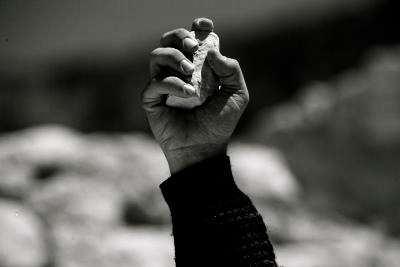
 『あなたは義に過ぎてはならない。また賢きに過ぎてはならない。あなたはどうして自分を滅ぼしてよかろうか』(伝道の書7章16節)
去る9月、さいとうたかおという漫画家が亡くなりました。この方の代表作に「ゴルゴ13」という作品があります。
この漫画の主人公は東郷デュークといい、彼はスナイパーとして裏社会に生き、日本のみならず、世界中から仕事を請け負います。そんな彼にある日、ある国の「軍事顧問にならないか」というオファーがきます。それは「国の秩序や正義が他国によって侵害されている。それを守るために力になってくれないか」というオファーです。その時に東郷はこんな言葉を言います・・・。
『その“正義”とやらはお前達だけの正義じゃないのか?』(『ゴルゴ13』148巻より引用)
本日の「礼拝映像」「ポッドキャスト」「一日一生」はこちらから。
↓ 今日の「日英礼拝メッセージ原稿」、「おもちかえり」はこちらから ↓
正しすぎてはならない 2021年12月5日
去る9月、さいとうたかおという日本人の漫画家が亡くなりました。この方はギネスブックの記録を持っていました。彼の代表作「ゴルゴ13」という漫画の刊行数が202巻を超え、世界最多なのです。
この漫画の主人公は東郷(とうごう)デュークと言い、彼はスナイパーとして生き、裏世界で、日本のみならず、世界中から仕事を請け負います。そんな彼にある日、ある国から「自分達の国の軍事顧問にならないか」というオファーがきます。
それは「国の秩序や正義が他国によって侵害されている。それを守るために力になってくれないか」というオファーです。
その時に東郷はこんな言葉を言います。『その”正義”とやらはお前達だけの正義じゃないのか?』(『ゴルゴ13』148巻より引用)
SEKAI NO OWARIというミュージックバンドが日本にあります。彼らは『ドラゴンナイト』という歌を歌っています。この歌は第二次世界大戦の最中、イギリス軍とドイツ軍が銃口を向け合っていた1914年、クリスマスをひかえた、ある冬の出来事を歌っています。
その出来事とは、ドイツ軍の陣地に立てられていたクリスマスツリーを見たイギリス軍がサイレントナイトを歌い始めると、ドイツ兵もそれに応え、各陣地から出てきた彼らは言葉を交わし合い、互いにサッカーを楽しんだというのです。
その日のことを歌った「ドラゴンナイト」の一節には、こんな歌詞があります。
人はそれぞれ「正義」があって
争い合うのは仕方ないのかも知れ ない
だけど僕の嫌いな「彼」も
彼なりの理由があると思うんだ
私達の世界には「正しさ」が満ちています。「あなたの正しさ」があり、「私の正しさ」があります。時にそれは「アメリカの正しさ」であり、「日本の正しさ」です。「親の正しさ」であり、「子の正しさ」です。
今日は「正しすぎてはならない」というメッセージタイトルで、伝道の書7章16節から皆さんと共に見ていきたいと願っております。
16あなたは義に過ぎてはならない。また賢きに過ぎてはならない。あなたはどうして自分を滅ぼしてよかろうか(伝道の書7章16節)
私達の周りには「義」、すなわち「正しさ」が満ちています。私達は自分がいかに正しいかということを、声をあげて説明します。追突事故の現場では互いの主張が身振り手振りなされ、世界の各地で自分達こそが正しいという抗議デモがなされています。
家庭では自分の正しさを主張するティーンネージャーと「まだ、お前は世の中を何も分かっちゃいない」と子供を諭す親が火花を散らします。まさしく義のせめぎあいは、私達のすぐ身近なところにあります。
世界は、社会は、家庭は私達、それぞれが有する正しさゆえに、多くの混乱があり、この正しさが衝突する時に、そこには口論が生まれ、分裂が生まれ、拳が振り上げられ、そしてミサイルが撃ちこまれます。
そんな世界に住む私達に対して聖書は「あなたは正しすぎてはならない」と語りかけます。義の拳を振り上げる前に、この言葉を心に唱えよと私達に語りかけます。
今日はまずヨハネ8章1節から11節の主イエスの言動から、この伝道の書の言葉を考えてみましょう。
1イエスはオリブ山に行かれた。2朝早くまた宮にはいられると、人々が皆みもとに集まってきたので、イエスはすわって彼らを教えておられた。3すると、律法学者たちやパリサイ人たちが、姦淫をしている時につかまえられた女をひっぱってきて、中に立たせた上、イエスに言った、4「先生、この女は姦淫の場でつかまえられました。5モーセは律法の中で、こういう女を石で打ち殺せと命じましたが、あなたはどう思いますか」。6彼らがそう言ったのは、イエスをためして、訴える口実を得るためであった。しかし、イエスは身をかがめて、指で地面に何か書いておられた。7彼らが問い続けるので、イエスは身を起して彼らに言われた、「あなたがたの中で罪のない者が、まずこの女に石を投げつけるがよい」。8そしてまた身をかがめて、地面に物を書きつづけられた。9これを聞くと、彼らは年寄から始めて、ひとりびとり出て行き、ついに、イエスだけになり、女は中にいたまま残された。10そこでイエスは身を起して女に言われた、「女よ、みんなはどこにいるか。あなたを罰する者はなかったのか」。11女は言った、「主よ、だれもございません」。イエスは言われた、「わたしもあなたを罰しない。お帰りなさい。今後はもう罪を犯さないように」。
この出来事を読みます時に私達は義、すなわち自分の正しさを振りかざしている人が、そこにいたということに気がつきます。
すなわちそれは律法学者やパリサイ人で、彼らは姦淫の現場で捕えた女性を、多くの人達の視線が集まる場所に引っ張りだして、「この女は姦淫の場で捕まえられた。モーセは律法の中で、こういう女を石で打ち殺せと命じたが、あなたならどうする」とイエス様に詰め寄りました。
この言葉の背後には、この女に対して「我々は今、正しいことを言っているぞ!」という彼らの心がうかがえます。
彼らにとって、この女が実際にどうなるのかということはどうでもいいことで、ただイエス様を訴える口実を得ようとしている彼らの下心がそこにあるのが分かります。
すなわち、彼らの心にあったのは、もしイエス様がこの女を許せば、律法に従っていないと訴えることができるということであり、反対にイエス様があなたたちの言うとおりだ、それは律法なのだからこの女を石で打ちなさいと言ったら、イエス様が日頃、語っていた「愛」とは何だったのかと失望し、多くの人達がイエスを離れていくであろうという計算に立ったものでした。
しかし、イエス様はそんな緊迫した時に、一言も言葉を語らず、身をかがめて指で地面に何かを書いておられました。
聖書はイエスが何を書いていたのかという記録は残していませんが、ある注解者は私やあなたが犯しうる諸々の罪を書いていたと言っていますが、真相は分かりません。
しかし唯一、分かることは、今にも石が投げつけられ、一人の女が殺されかねないような異常な状況であったにもかかわらず、イエス様はそれに動揺することなく、人々の熱狂とは一線を置き、沈黙の時を保っていたということです。
終始、イエス様は無言なのですから、熱狂している側はいらだち、さらにその声は大きくなっていったことでしょう、その騒動を聞きつけ、そこには多くの人達が集まってきていたことでしょう。
いよいよ、彼らが問い続けることを止めないので、イエス様は身を起こして一言、こう言われました。
「あなたがたの中で罪のない者が、まずこの女に石を投げつけるがよい」。8そしてまた身をかがめて、地面に物を書きつづけられた。(7)
今日、私達の周りにはありとあらゆる言葉が氾濫しており、私達の間から言葉の重さというものがどんどん失われています。軽い、そして無責任な言葉ばかりがフワフワと私達の間を漂っているのです。
しかし、イエス様がこの時に言われた言葉はずっしりと重く、その言葉には、騒然となり、興奮している者達を一瞬にして黙らせてしまう力がありました。イエス様を取り囲んでいた者達の中には、女に向かって投げるべく、既に石を握りしめていた者達もいたと思います。
しかし、このイエス様の言葉を聞いた者達は、握っていた石をその場に残し、年寄りからはじめて一人、また一人とその場から立ち去っていき、ついにそこには誰もいなくなりました。
その時、彼らをそこから立ち去たせたイエス様の言葉は「あなたがたの中で姦淫の罪を犯した者が、まずこの女に石を投げつけるがよい」という言葉ではなく、「あなたがたの中で罪のない者が、この女に石を投げつけるがよい」という言葉でした。
このイエス様が言われた「罪」というのは「前科の有無」を意味する罪ではなく、「全てを見通しておられる神の前に罪がない」ということを意味するからです。
このところにきて私達が再びソロモンの記した「義に過ぎてはならない」という言葉に立ち返ると、その意味が分かってきます。すなわち、この「義に過ぎてはならない」という言葉は「罪人である私達が自分の正しさについて語る時、自分が主張している義は神の前に誤っているかもしれない」ということを心に刻んでいなければならないということなのです。
誤りかねない、不完全な罪人が、同じく誤りかねない、不完全な罪人に向き合っているということを私達はいつも心のどこかにとどめておかなければなりません。
ソロモンは「義に過ぎてはならない」という言葉の後に「あなたはどうして自分を滅ぼしていいだろうか」と書いています。そうです、このことによる原因により、私達は自分を滅ぼしかねないのです。
この自らを滅ぼすということの意味は広いものでしょう。義に過ぎることにより、実際にその後、墓穴を掘り、自らを滅ぼすことを私達は時々、見聞きしますし、またかく言う私達もそのことを体験しています。
正しさを主張して振り上げてしまった手を下げようにも下げることができずに、かえって自分の未熟さがあらわれてしまったということはよくあることです。
しかし、これらのこと以上にもっと深刻なのはイエス様が言われた次のような言葉なのです。
「人を裁くな。あなたがたも裁かれないようにするためである。あなたがたは、自分の裁きで裁かれ、自分の量る秤で量り与えられる」(マタイ7章1節-2節)。
「人を裁くな。そうすれば、あなたがたも裁かれることがない。人を罪人だと決めるな。そうすれば、あなた方も罪人と決められることがない。許しなさい。そうすれば、あなた方も許される」(ルカ6章37節)
あえて、説明するまでもないほどに分かりやすい言葉です。私達が義を振りかざす時に、大抵、そこには誰かを裁くということが伴います。
その義に過ぎれば、その過ぎた義の秤に自分も乗らなければならないのです。その時にあなたは神の裁きを免れるのか。
結局のところ、それは自分を滅ぼすことになりはしないだろうかというのです。皆さん、私達はこのことをどう心に受け止めるのでしょうか・・・。
ここで一つ、誤解してはならないことは、私達は正しさを主張してはならないということではありません。
それはソロモンが「義に過ぎてはならない:Do not be excessively righteous」と記したことに集約されています。
時に私達は「義」に立ち、その義を守らなければならない時というものを、人生の中で経験することがあります。
子供や妻に暴力を振るう者に対して、あなたは間違っていると主張し、しかるべき対応をすることは正しいことです。命を脅かすような汚水を河川に流し続けている工場の前で、それを止めさせる抗議をすることは正しいことでしょう。
以前、「Courageous」という映画を見ました。四人の男の警察官の物語です。彼らは私達がそうであるように色々な問題を抱えています。
夫婦の問題、育児の問題、死の問題、経済の問題、そんなところを通りながら、彼らは聖書に立ち返り、良き夫、良き父であろうと神様と自分の家族の前で誓願をたてるのです。
これで映画が終わるならハッピーエンドなのですが、その四人の一人の警察官が押収した麻薬を盗んでいるということを、その仲間の一人が見つけるのです。
それは明らかに不義でした。その同僚に対して彼はどうしたのか。彼は深く悩み、また痛みを感じつつ、その友のために事実を隠蔽することなく、それを明らかにし、その友は獄に入れられるのです。
同僚の犯罪を知った彼はどんなにか悩んだかと思います。そのまま黙認するのか、しかし、彼はそうせずに義を通しました。ソロモンの言葉もイエス・キリストの言葉もそうすることを否定する言葉ではありません。
常にその判断には、神様からいただく知恵が必要であり、私達の心には苦悩がともなうものですが、私達は注意深い祈りと共に、通すべき義がある時はそれを通すべきでしょう。
時に私達の家庭や職場、また教会は「人を裁くな」という戒めを誤って受け取ることによって、大きな問題をはらんでしまうことがあります。
すなわちこの言葉を誤って受け取りますと、そこに確かにある課題や問題を黙認することが、キリストの愛であるとされてしまう危険性です。
手つかずの課題がそこにあり続けることにより、家庭は、職場は、そして教会は体力を失い、健康を損ない、やがて命を失っていきます。
私達はこのようなことに対して、日々、主からの導きと知恵を、そして勇気をいただかなければならないのです。
あなたは今日、「義に過ぎてはならない。あなたはどうして自分を滅ぼしてよかろうか」という言葉をどう受け止めましたか。
この言葉をしかと心に受け止めて、これから私達が向き合う諸々のことに対して、この言葉を思い起こす人は幸いです。
また、もしかしたら、明日、私達は義を貫かなければならないことに直面するかもしれません。そして、皆さんはその時、悩み苦しむことでしょう。
主がそんな私達の心を神の光で照らしてくださいますように。その光が私達の心の奥にある私達の動機にまで及びますように。
私達は今、主なるイエス・キリストの御降誕を待ち望むアドベントの中にいます。神のひとり子、主イエス・キリストは私達のためにこの世に生まれ、飼い葉桶に寝かされました。
私達がその幼子の姿を見る時に、そこに二つの神の本質的な性質を見ます。そうです、そこに寝かされている幼子に私達は、私達に対する「神の義」と「神の愛」を見いだすのです。
私達が義に立たねばならぬ時、私達がそこに愛も見出すことができますように。
お気づきのようにこの伝道の書7章16節には、もう一つの言葉があります。そう「あなたは賢きに過ぎてはならない。あなたはどうして自分を滅ぼしてよかろうか」という言葉です。
二週後の私のメッセージはクリスマス礼拝でのクリスマス・メッセージとなりますから、その後に、このことについてお話しましょう。
お祈りしましょう。
Do Not Be Overly Right
Dec 5, 2021
This past September, Takao Saito, a Japanese manga writer passed away. He had a record in the Guinness Book of World Records. His masterpiece, “Golgo 13,” has been published in more than 202 volumes: the most in the world.
The protagonist of this manga is Duke Togo who lives as a sniper and works in the underworld taking jobs not only from Japan, but from all over the world. One day, he receives an offer from a country “to become a military advisor for the country.”
It is an offer requesting, “The order and justice of our country is being violated by another country. Will you help us to protect it?”
At that time, Togo said the following words: “Isn’t that ‘justice’ just for you guys?” (quoted in “Golgo 13”, Vol. 148)
There is a music group in Japan called SEKAI NO OWARI. They sing a song called “Dragon Night”. The song is about a winter in 1914, during the First World War, when the British and German armies were at each other’s throats, just before Christmas.
When the British troops saw the Christmas tree on the German side of the battlefield, they began to sing “Silent Night,” and the Germans responded, coming out of their positions to exchange words, and to play soccer with each other.
One of the verses of “Dragon Night,” a song about that day, has the following lyrics:
Everybody has their own version of what’s just
Maybe war is something that is natural for us
But even the people that fill me with hate
Have their reasons to live their life that way
Our world is full of “rightness”. There is “your rightness” and there is “my rightness.” Sometimes it’s “American rightness”, sometimes it’s “Japanese rightness”. Sometimes it’s “parental rightness” and sometimes it’s “children’s rightness”.
The title of today’s message is “Do Not Be Overly Right”, and I hope to look at it with you from Ecclesiastes 7:16.
16 Do not be excessively righteous and do not be overly wise. Why should you ruin yourself? (Ecclesiastes 7:16 NASB 1995).
We are surrounded by “righteousness,” or “rightness.” We raise our voices to explain how righteous we are. We gesture to each other at the scene of a rear-end collision, and there are protests all over the world to show that we are right.
At home, the sparks fly between teenagers who insist on their own rightness and parents who tell their children, “You don’t know anything about the world yet.” The struggle for righteousness is very close to our hearts.
There is so much confusion in the world, in society, in our homes, because of the rightness of each of us, and when these collide, there are arguments, divisions, fists raised, and missiles fired.
To those of us who live in such a world, the Bible says, “do not be overly right.” Before we raise our fists in righteousness, the Bible tells us to recite these words in our hearts.
Today, let us first consider the words of the book of Ecclesiastes based on the words and actions of the Lord Jesus in John 8:1-11.
8 But Jesus went to the Mount of Olives. 2 Early in the morning He came again into the temple, and all the people were coming to Him; and He sat down and began to teach them. 3 The scribes and the Pharisees *brought a woman caught in adultery, and having set her in the center of the court, 4 they said to Him, “Teacher, this woman has been caught in adultery, in the very act. 5 Now in the Law Moses commanded us to stone such women; what then do You say?” 6 They were saying this, testing Him, so that they might have grounds for accusing Him. But Jesus stooped down and with His finger wrote on the ground. 7 But when they persisted in asking Him, He straightened up, and said to them, “He who is without sin among you, let him be the first to throw a stone at her.” 8 Again He stooped down and wrote on the ground. 9 When they heard it, they began to go out one by one, beginning with the older ones, and He was left alone, and the woman, where she was, in the center of the court. 10 Straightening up, Jesus said to her, “Woman, where are they? Did no one condemn you?” 11 She said, “No one, Lord.” And Jesus said, “I do not condemn you, either. Go. From now on sin no more.” (John 8:1-11 NASB 1995).
When we read about this event, we realize that there were people there who pretended to be right about themselves.
In other words, it was the scribes and Pharisees who dragged the woman caught at the scene of adultery to a place where it would draw the attention of many people, and approaching Jesus, they said, “This woman has been caught in adultery. Now in the Law Moses commanded us to stone such women; what then do You say?”
Behind these words, we can see their hearts regarding this woman declaring, “We are saying the right thing now!”
To them, it didn’t matter what would actually happen to this woman, and we can see their ulterior motive was to try and find a means to accuse Jesus.
In other words, what they had in mind was that if Jesus forgave the woman, they could accuse Him of not following the law, and if He told them to stone her because they were right based of what the law said, many people would leave Jesus because they would be disappointed and wonder what kind of “love” Jesus had been talking about.
But in such a tense moment, Jesus did not say a single word, but bent down and wrote something on the ground with his finger.
The Bible does not record what Jesus was writing, but some commentators say he was writing about all kinds of sins that you and I could commit, but we don’t know the truth.
However, the only thing we can know is that even though the situation could have seen stones being thrown at any moment, and a woman could have been killed, Jesus was not upset by it and maintained a moment of silence, setting Himself apart from the frenzy of the people.
Since Jesus did not say a word, the frenzied crowd must have gotten irritated and louder, and many people must have gathered hearing the commotion.
Finally, because they wouldn’t stop asking, Jesus raised Himself up, and had a word with them:
“He who is without sin among you, let him be the first to throw a stone at her.” (7)
Today, we are inundated with all kinds of words, and the weight of words is rapidly disappearing from our minds. Light and irresponsible words are floating around in the air.
However, the words that Jesus said at this time were staggeringly heavy, and they had the power to instantly silence those who were in an uproar and agitated.
I believe that some of the people surrounding Jesus were already grasping stones to throw at the woman.
However, when they heard Jesus’ words, they left the stones in their hands in that place, and went away one by one, starting with the elders, until finally there was no one left.
The words of Jesus that made them leave were not, “He who is guilty of adultery among you, let him be the first to throw a stone at her,” but, “He who is without sin among you, let him be the first to throw a stone at her.”
This “sin” that Jesus referred to is not a sin that means “having a criminal record,” but a sin that means “being without sin before God, who sees everything.”
At this point, if we go back to Solomon’s words, “Do not be excessively righteous,” we will begin to understand what he meant.
In other words, the phrase “Do not be excessively righteous” means that we must keep in mind that “when we, as sinners, talk about our righteousness, the righteousness we are claiming may be wrong before God.”
We must always keep in mind that a fallible, imperfect sinner is facing an equally fallible, imperfect sinner.
Solomon writes after the words, “Do not be excessively righteous,” “Why should you ruin yourself?” Yes, by doing this, we can ruin ourselves.
The meaning of this self-destruction is a broad one. We sometimes see and hear that by being excessively righteous, one can actually end up digging their own grave and destroying themselves afterwards; we have experienced this ourselves.
It is not uncommon for a person to raise his or her hand in assertion of righteousness and not be able to lower it, thus revealing his or her immaturity.
But even more serious than these are the following words of Jesus.
“Do not judge so that you will not be judged. 2 For in the way you judge, you will be judged; and by your standard of measure, it will be measured to you” (Matthew 7:1-2 NASB 1995).
“Do not judge, and you will not be judged; and do not condemn, and you will not be condemned; pardon, and you will be pardoned” (Luke 6:37 NASB 1995).
These are words that are so easy to understand that I dare not even try to explain it. When we pretend to be righteous, it is usually accompanied by judging someone else.
If you are excessively righteous, you must also place yourself on the scale of that excessive righteousness.
Will you then be spared the judgment of God?
After all, wouldn’t that be ruining yourself? People, how should we take this matter to heart?
One thing that should not be misunderstood here: this does not mean that we should not assert being right.
This is summed up by Solomon when he wrote, “Do not be excessively righteous.”
Sometimes we experience times in our lives when we need to stand for “righteousness” and defend it.
It is right to assert to a person who is being violent toward his children and wife that he is wrong, and to take appropriate action against such a person. It would be right to protest in front of a factory that continues to discharge life-threatening sewage into a river and demand that it be stopped.
I once saw a movie called “Courageous”. It is the story of four male police officers. They have a lot of problems just like we do.
As they face marital issues, child rearing issues, death, financial problems, etc., they turn to the Bible, and make a vow before God and their own family to be a good husband and good father.
If this were the end of the movie, it would be a happy ending, but one of the four policemen finds out that one of his friends is stealing drugs that were seized in arrests.
It was clearly unjust. What did he do to his colleague? He was deeply troubled and pained, but for the sake of his friend, he did not hide the fact; he revealed it, and his friend was thrown into prison.
When he found out about his colleague’s crime, he must have wondered what to do. Was he going to let it go? No, he was going to be righteous. Neither Solomon’s words nor Jesus Christ’s words deny doing so.
We always need God’s wisdom to make such decisions, which can be painful to our hearts, but with careful prayer, we should enforce the righteousness that needs to be enforced.
Sometimes our homes, workplaces, and churches get into big trouble when we misinterpret the commandment, “Do not judge.”
If we misinterpret these words, there is the danger of making Christ’s love be taken to mean tolerating the challenges and problems that are certainly there.
As untouched issues continue to exist, families, workplaces, and churches lose their strength, health, and eventually their lives.
We need to ask for guidance, wisdom and courage from the Lord in these matters on a daily basis.
How have you received the words, “Do not be excessively righteous. Why should you ruin yourself?”
Blessed are those who take these words to heart and remember them in all that we face in the future. And maybe, just maybe, tomorrow we will be faced with the need to be righteous. And you will be troubled at that time.
May the Lord shine His divine light on such hearts. May that light extend to our motivations into the depths of our hearts.
We are in the midst of Advent, when we look forward to the birth of our Lord Jesus Christ. The Lord Jesus Christ, the only begotten Son of God, came into the world for us and was laid in a manger.
When we look at the image of the infant, we see two essential qualities of God in it. Yes, we find “God’s righteousness” and “God’s love” for us in the infant lying there.
When we must stand for righteousness, may we also find love in it.
As you may have noticed, there is another phrase in this book of Ecclesiastes 7:16. Yes, it says, “do not be overly wise. Why should you ruin yourself?”
Two weeks from now I will be giving the Christmas message in the Christmas service, so I shall talk about these things after then. Let us pray.
本日のおもちかえり
2021年12月5日
1)『あなたは義に過ぎてはならない。また賢きに過ぎてはならない。あなたはどうして自分を滅ぼしてよかろうか』(伝道の書7章16節)という御言葉は、私達に何を訴えていますか。
2)時に私達は自分の正しさに固執し、他のものに心を閉ざすことがあります。その時に、私達は何を持って自分の正しさを支持しているのでしょうか。自分は判断を誤りかねないということを考えることはなぜ大切ですか。
3)「あなたの正しさ」と「あの人の正しさ」が衝突する時、何が起こりますか。この衝突はどこで見受けられますか。
4)ヨハネ8章1節から11節を読みましょう。ここで取り上げられている義は何ですか。義を主張する時に、必ず裁きが伴い、このことについて聖書は慎重を尽くすようにと私達に勧めていますが、それはなぜですか。
6)義を振りかざし、イエス様に詰め寄る者達に対してイエス様は何と言われましたか。この言葉により、なぜ人々はその場を立ち去ったのでしょうか。
7)マタイ7章1節-2節、ルカ6章37節の御言葉は私達に何を語りかけてくるでしょうか。『あなたはどうして自分を滅ぼしてよかろうか』(伝道の書7章16節)という言葉は具体的にどういうことだと思いますか。
8)あなたが義を貫かなければならない時というのはどういう時ですか。その時に私達に必要なことは何ですか。「義」と「愛」が共にあることはなぜ大切ですか。
