
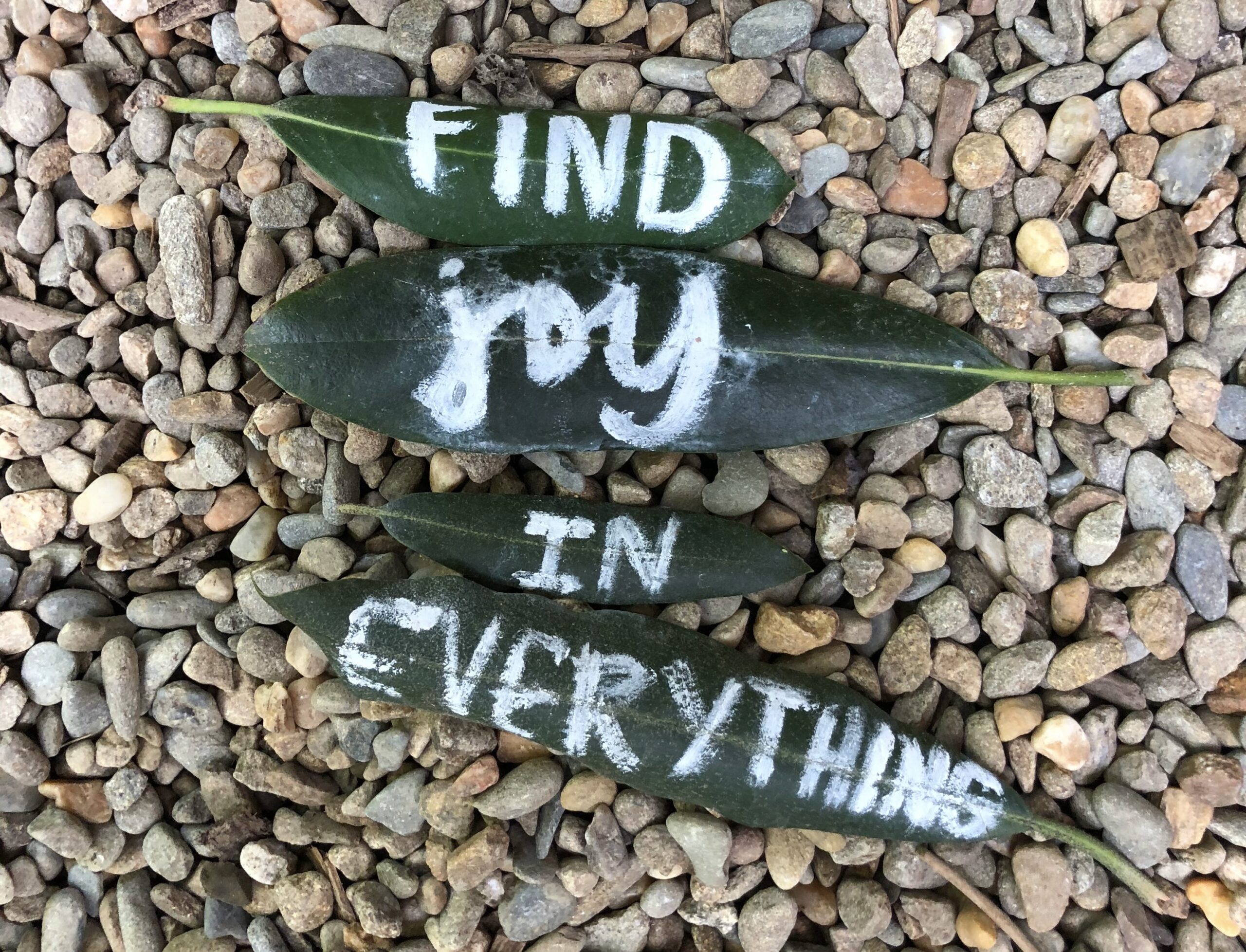
 昨年の八月から聖書の「伝道の書」から講解メッセージをお話ししてきましたが、今日が最後となります。このシリーズの一番最初に私は28歳の若さで結核で亡くなった高杉晋作についてお話ししました。彼はその病の床に伏していた時に、こんな辞世の句を読みました。
「おもしろきこともなき世を、おもしろく」
その時は、この句だけをお話ししたのですが、実はこの話には続きがあります。高杉がこの句を詠みました時、彼の看病をしていた野村望東尼(のむらぼうとうに)という歌人が、高杉の句に続く句として「住みなすものは心なりけり」と詠んだというのです。この言葉に高杉はうなずき「おもしろいのう」と言い、召されていったというのです (『竜馬がゆく』7巻383ページ)。
野村は言ったのです「このおもしろくない世をおもしろい場所と変えることを可能にするのは私達の心のありようです」と。しかし「その私達の心には罪がある」と聖書は2000年来、言い続けています・・・。
本日の「礼拝映像」「ポッドキャスト」「一日一生」はこちらから。
↓ 今日の「日英礼拝メッセージ原稿」「おもちかえり」はこちらから ↓
空なる旅路を楽しき旅路に!
2022年2月13日
私達は昨年8月から、イスラエル三代目の王、ソロモンが書き記しました「伝道の書」をみてまいりましたが、そのメッセージ・シリーズも今日で終わります。
ソロモンの時代とは今から3000年前の時代であり、その場所はここから海と陸を隔てた一万マイルも離れた所であり、その文化慣習も私達のそれとは異なります。しかしながら、この七ヶ月あまりの間に分かりましたことは、その書のテーマとなっていますこの世界の空しさというものは私達にも理解できることであり、共感できることなのだということでありました。
そして、今日はその最後の結論を皆さんと共に見ていきたいと願っています。伝道の書11章7節‐10節を拝読させていただきます。
7光は快いものである。目に太陽を見るのは楽しいことである。8人が多くの年、生きながらえ、そのすべてにおいて自分を楽しませても、暗い日の多くあるべきことを忘れてはならない。すべて、きたらんとする事は皆空である。9若い者よ、あなたの若い時に楽しめ。あなたの若い日にあなたの心を喜ばせよ。あなたの心の道に歩み、あなたの目の見るところに歩め。ただし、そのすべての事のために、神はあなたをさばかれることを知れ。10あなたの心から悩みを去り、あなたのからだから痛みを除け。若い時と盛んな時はともに空だからである。(伝道の書11章7節‐10節)
このところからまず最初に「空なる世界に生きる覚悟」ということについて見てまいりましょう。伝道の書11章7節、8節、
7光は快いものである。目に太陽を見るのは楽しいことである。8人が多くの年、生きながらえ、そのすべてにおいて自分を楽しませても、暗い日の多くあるべきことを忘れてはならない。すべて、きたらんとする事は皆空である。(伝道の書11章7節‐
このシリーズを始めました最初のメッセージにおいて、私はこの伝道の書のキーワードになります「空」という言葉は、この書の中に38回も出てくるとお話ししました。その空、すなわち空しさの具体的な内容とは、
「目は見ることに飽きることがなく、耳は聞くことに満足することがない」(伝道の書1章8節)ということであり、「金銭を好む者は金銭をもって満足しない。富を好む者は富を得て満足しない」(伝道の書5章10節)、「彼は母の胎から出てきたように、すなわち裸で出てきたように帰っていく。彼はその労苦によって得た何物をもその手に携えゆくことができない」(伝道の書5章15節)というようなことであるとお話しました。
もちろん、これら以外にもこの世界にあるさらに多くの空しさについて伝道の書は記しています。
そして、この伝道の書を注意深く読んでいて気がつかされることは、これらの諸々の空しさの背後には、この世界にある全てのものが時と共に変化するということがあります。そこには私達がいつまでも保持できるものは何一つなく、それどころかそれらのものは全て、やがて失われていくという現実があります。
さらには他でもない私達自身も年と共に弱り、やがてその生命活動を止めなければならないという宿命のもとに置かれているという歴然とした事実があるということでした。そして、この空しさについてソロモンより約1000年後に生きたパウロという人はその核心をさらに指摘するかのようにローマ人への手紙8章でこのように記しています。
「1こういうわけで、今やキリスト・イエスにある者は罪に定められることがない。2なぜなら、キリスト・イエスにあるいのちの御霊の法則は、罪と死との法則からあなたを解放したからである」(ローマ8章1、2節)
パウロはここである法則についてふれています。すなわち、私達の世界が重力の法則のもとに置かれているように、全ての人間は「罪と死との法則」から免れずにいるのだとパウロは言っているのであり、まさしく、それこそが私達の空しさの根源にあるものなのです。
「罪」と言いましても私達にはピンとこないものかもしれません。聖書がいうところの罪とは前科がありますとか、服役しましたということではありません。罪はそれが初めて人の心に芽生えた時のことを考えますと、その性質というものが分かってきます。
すなわち、その初めの時とは創世記に記録されていますように、最初の人、アダムとイブがエデンの園において「神のようになること」を願い、神が「食べてはならない」と禁じた実を彼らが食べてしまった時をいいます。
それゆえに彼らはもはやエデンの園にはおられなくなり、そこを追い出されてしまったという出来事であります。その出来事は「自ら神のようになりたい」、分かりやすく言うならば、彼らが「自分を中心に生きたい」とした時に起きたことなのです。
そして、私達のこの心により、私達は神の前に罪を犯すものとなります。私達の周りにある諸々の問題、それらは神を脇に置き、自らを中心として生きようとする私達の罪によるものなのです。
その時、彼らは自分の願うことをしたのですから、一見、自由の扉を開いたように思えます。しかし、実はその時から、人の心には常に言いしれぬ空しさがあり、真の自由を失ったのです。
そして、さらにその時というのは同時に「人が死ぬという宿命」を負った瞬間なのだと創世記は記しています。以来、私達の後をいつも追いかけてくる影のように、私達は常にこの死というものと共に生きることが宿命とされており、そのことが私達にとって消し去ることができない虚無となっているのです。
このことについて先ほど読みましたローマ書8章の中の23節にはこのように書かれています。
23それだけではなく、御霊の最初の実を持っているわたしたち自身も、心の内でうめきながら、子たる身分を授けられること、すなわち、からだのあがなわれることを待ち望んでいる。
パウロは私達人間は心の内でうめいているといいます。なぜなら私達の肉体は移ろいゆくものであり、それは日毎に衰えるものであり、最後にその活動は停止するということを私達は知っているからです。
このうめきはさかのぼるところアダムとエバの時にまでいたり、それは、本来、私達が保つことができた肉体を失ってしまったことに対する人間の心のうめきなのです。以来、私達人間はこの内なるうめきを聞きながら生きているのです。
それは私達の肉の欲であり、肉の弱さであり、肉の痛みであり、肉の病であり、肉の死なのです。このようなものを有する体をもって生きていかなければならない私達でありますゆえに私達には空しさが伴うのです。
そして、この虚無は人間だけに及ぶものではなく、この世界の自然界にも及んでいるという驚くべきことがローマ人への手紙8章には記されているのです。
19被造物は、実に、切なる思いで神の子たちの出現を待ち望んでいる。20なぜなら、被造物が虚無に服したのは、自分の意志によるのではなく、服従させたかたによるのであり、21かつ、被造物自身にも、滅びのなわめから解放されて、神の子たちの栄光の自由に入る望みが残されているからである。22実に、被造物全体が、今に至るまで、共にうめき共に産みの苦しみを続けていることを、わたしたちは知っている。(ローマ8章19節‐22節)
この聖書の言葉によりますと私達が現在、見ているこの自然界は虚無に服しているのです。そして、彼らも滅びの縄目から解放されることを望んでいるというのです。彼らの本来の姿はもっと素晴らしい神の栄光に満ちているものなのだということです。
創世記に記されておりますように神様は自ら創造された被造物を見て「良しとされた」とその創造の度ごとにコメントを残しております。しかし、実際に私達が今、見ているものはその神が「よしとされた」と言われた被造物ではなくて、その後の虚無に服している被造物なのです。
私達は時に海に沈む夕日や野に咲く花々の美しさにため息をもらしますが、本来それらのものは、それ以上の美しさと存在感をもっているものなのです。私達はこのこをしっかりと心に受け止め、私達の暮らす世界、私達が肉体と共に生きるということは、そのようなものなのだということを覚悟しておかなければなりません。
自分の住む世界がどんなものであるかということ、そして自分とはどんな者であるかを知っておくことはとても大切なことだからです。
信仰があっても、時に私達は心の中に風が吹き抜けていくような空しさを感じることがあるでしょう。それが私達人間であり、この世界に生きるということなのです。では、私達はその日々をこの空しさと虚無と共に生きていくのでしょうか。「そうではない!」というのがこの伝道の書の結論なのです。二つ目のことをお話しします。それは「空しき旅路を、楽しき旅路に!」ということです。
この伝道の書のメッセージ・シリーズをお話しするにあたり、私は28歳の若さで結核で亡くなった侍、高杉晋作についてお話ししました。彼はその病の床に伏していた時に「面白きこともなき世を、おもしろく」という句を読んだのです。
その時は、この句だけをお話ししたのですが、実はこの話には続きがあります。高杉がこの句を詠みました時、彼の看病をしていた野村望東尼(のむらぼうとうに)という歌人が、高杉の句に続く句として「住みなすものは心なりけり」と詠んだというのです。
この言葉に高杉はうなずき「おもしろいのう」と言い、召されていったというのです (『竜馬がゆく』7巻383ページ)。高杉は自らが考え出した軍隊の長であり、幕末という時代、日本の新しい扉を開くためにその一翼を担った人です。
その高杉の短い人生を思う時に、私達は死の淵にあった彼の心というものを感じるのです。まさしく彼がなさんとしていたことは革命であり、その先鋒に立っていた彼でありましたが、その志半ばで死を遂げるということの空しさを彼は感じながら生きてきたのでしょう。
だから彼はこの世をおもしろきことなき場所だと認めつつ、しかし、それをおもしろくしたいのだと辞世の句を詠んだのでしょう。しかし、そこで言葉がつまった。どうしたらおもしろくなるのか。
そこで、野村が言ったのです「このおもしろくない世をおもしろい場所と変えることを可能にするのは私達の心のありようです」と。確かにおもしろきことなき世、空しさに満ちているこの世界を生きるにあたり、それをおもしろき場所に変えるのは私達の心でしょう。
しかし、私達は既にその私達の心すらも罪のもとにあるとお話ししました。すなわち私達の心にあるものが私達の物の見方や言動、ひいてはその生き方を決めていくとしますのなら、はたしてこの心のありようでこの空しき世界を本当におもしろき所とすることができるのかと思わされるのです。
そこでソロモンの言葉に立ち返りたいのです。彼は私達の心についてどう言っているのでしょうか。先に読みました伝道の書11章の続きにはこう書かれています。
9若い者よ、あなたの若い時に楽しめ。あなたの若い日にあなたの心を喜ばせよ。あなたの心の道に歩み、あなたの目の見るところに歩め。(伝道の書11章9節)
ソロモンは伝道の書においてその頁の多くを「空しさ」で埋めておきながら、このようにその同じ人生を「楽しめ」というのです。何か高杉に通じる言葉です。ソロモンも野村のように私達の「心」について触れているのです。
「あなたの心の道に歩め。あなたの目の見るところに歩め」
ソロモンはここで「あなたの心の道に歩め」と言っています。なんとも頼もしい言葉です。しかし、いったい私達の心の道とは何でしょうか。この言葉はその「道」が実際にどんな「道」であるかということに全てがかかっているのではないでしょうか。
ソロモンがこの言葉を記した約1000年後にこの「道」について語られたお方がいました。イエス・キリストです。当然、ソロモンとイエスの間に面識はありません。しかし、ソロモンの勧めはキリストの言葉によって明らかにされたのです。その「道」についてキリストはこう言っています。
「わたしは道であり、真理であり、命である」(ヨハネ14章6節)。
いまだかって道を説いた人はたくさんいます。しかし、自分が道であるといわれたのはキリスト以外にいません。私達の心の道とはまさしくこのキリストなのです。
そして、続くソロモンの記した「あなたの目の見るところに歩め」という言葉に対して、コリント第二の手紙5章7節は「わたしたちは見えるものによらないで、信仰によって歩いているのである」と記しているのです。
すなわち、わたしたちの人生の旅路はキリストという「道」そのものであるお方と共に、見えないものを見るかのように歩んでいく信仰の旅路なのであり、その旅路を歩く時に私達はこの空しき世界を楽しき場所とすることができるのです。
しかし、キリストと共にその旅路を歩むためには一つの条件があります。先に読みましたローマ書8章の御言葉を覚えていらっしゃいますか。
23それだけではなく、御霊の最初の実を持っているわたしたち自身も、心の内でうめきながら、子たる身分を授けられること、すなわち、からだのあがなわれることを待ち望んでいる。
私達はこの肉体をもちつつ、心の内でうめいている。その私達は子たる身分を授けられるべく、からだがあがなわれることを待ち望んでいるのです。子たる身分とはあのエデンの園でアダムとイブが失った神の子たる身分です。
それをもう一度、取り戻すために私達に必要なのは贖われることなのだとローマ書は言うのです。「贖われる」とは何でしょうか。今日、あまり使わない言葉ですが、それは「買い取られる」ということなのです。わたしたちの朽ちる体が買い取られるということです。
買うというからには、そのために支払われたものがあるのです。何がそのために支払われたのでしょうか。その代価として支払われたものは、イエス・キリストの命だと聖書はいうのです。
すなわち私達はキリストの命と引き替えに、この朽ちる宿命にあるからだが朽ちないものと変えられるというのです。ここに虚無に包まれていた移ろいゆくこの世界に対して、私達は不変なる身分が与えられることを見いだすのです。そして、このことを私達が知る時に、私達のこの地上での生き方が決まるのです。
私達はこの体が栄光のものと変えられるという希望をもっています。その希望は移ろいゆくこの世界の空しさによって打ち消されてしまうような希望ではありません。
今しばらくはこの体をもって、この世界を生きていくことになりますが、その中でただ主に喜ばれる者となることが私達の願いなのです。私達は日々の生活において徒労を感じることがあります。そして、虚無の思いが心をよぎることがあります。
まさしく先にお話したように私達が罪と死の中に生きている限り、この虚無の中にある被造物と共にある限り、私達はそのことから免れることはできません。しかし、キリストは人の空しさの根源にある罪と死というものを同時に十字架の上において解決してくださいました。
私達を解放してくださったそのキリストにある喜びと希望がこの世界の死の法則よりも大きく私達を包み込んでしまうゆえに、私達は虚無に支配されることなく与えられた人生を歩んでいくことができるのです。
皆さん、いかがですか。今日は私達の心とこの世界はどのようなものなのかということをお話ししました。その現実をまず踏まえましょう。しかし、そのことに絶望するのではなく、その心と世界を変えてしまったキリストの十字架を見上げましょう。
私達が我等の道なるキリストと共に信仰の目をもってこの世界を生きていく時に、まさしくこのシリーズのテーマでありました空しきその旅路が、確かに楽しき旅路へと変えられるのです。お祈りしましょう。
From a Meaningless Journey to an Enjoyable Journey!
Feb 13,2022
Last August, I started a sermon series on the book of Ecclesiastes by Solomon, the third king of Israel. Today will be the last day on this series.
Solomon lived 3,000 years ago in a place 10,000 miles away from here, separated by sea and land. Their cultural practices were very different from ours. However, what we have learned in the past seven months is that the theme of the book, the emptiness of the world, is something we can still understand and relate to very closely.
Today, I would like to look at the conclusion of this book with you. Let’s read Ecclesiastes 11:7-10 first.
7 The light is pleasant, and it is good for the eyes to see the sun. 8 Indeed, if a man should live many years, let him rejoice in them all, and let him remember the days of darkness, for they will be many. Everything that is to come will be futility.9 Rejoice, young man, during your childhood, and let your heart be pleasant during the days of young manhood. And follow the impulses of your heart and the desires of your eyes. Yet know that God will bring you to judgment for all these things. 10 So, remove grief and anger from your heart and put away pain from your body, because childhood and the prime of life are fleeting (Ecclesiastes 11:7-10 NASB 1995)
First, I will talk on the topic of “Our Preparedness to Live in an Empty World”. Ecclesiastes 11:7,8
7 The light is pleasant, and it is good for the eyes to see the sun. 8 Indeed, if a man should live many years, let him rejoice in them all, and let him remember the days of darkness, for they will be many. Everything that is to come will be futility. (Ecclesiastes 11:7,8).
In the first message of this series, I mentioned that the word “meaningless” is the key word in this book of Ecclesiastes. It appears 38 times in the book. The specifics of this emptiness are that
“The eye is not satisfied with seeing, Nor is the ear filled with hearing.” (Ecclesiastes 1:8 NASB 1995), and that He who loves money will not be satisfied with money, nor he who loves abundance with its income. This too is vanity (Ecclesiastes 5:10 NASB 1995) and that And I said it is like As he had come naked from his mother’s womb, so will he return as he came. He will take nothing from the fruit of his labor that he can carry in his hand (Ecclesiastes 5:15 NASB 1995).
Of course, the book goes on to describe many more empty and meaningless things in this world.
And as we read the book of Ecclesiastes carefully, we realize that behind all this emptiness is the fact that everything in this world is transitory. There is nothing that we can hold on to forever; on the contrary, all things will eventually be lost. Furthermore, it is evident that our bodies are destined to become weaker as we age until life comes to a halt one day.The apostle Paul lived about 1,000 years after Solomon. In Romans 8, Paul addresses the core of the problem regarding the emptiness of this world.
Therefore there is now no condemnation for those who are in Christ Jesus. 2 For the law of the Spirit of life in Christ Jesus has set you free from the law of sin and of death (Romans 8:1,2 NASB 1995).
Paul here speaks of a certain kind of law、 just as our world is subject to the law of gravity. Paul says that all human beings are subject to the law of sin and death、 which is the root of our emptiness.
The word “sin” may not sound familiar to us. The word “sin” in the Bible does not refer to our criminal records or time served in prison. We can better understand the nature of sin by looking back at how it first sprouted in our hearts.
The book of Genesis records that the first man, Adam and Eve, wished to “be like God” in the Garden of Eden and ate the fruit that God had forbidden them from eating. Therefore, they could no longer be in the Garden of Eden and were driven out of it.
This happened when they “wanted to be like God themselves,” or to put it plainly, when they wanted to “live a self-centered life”.It is our hearts that cause us to sin before God. All the problems around us have their roots in our sinful nature, as we put God aside and place ourselves in the center.
At first glance, it could seem as if they had opened the door to freedom by choosing their way. But from that moment on, humankind had lost their true freedom and was left with an inexplicable emptiness in their hearts.
The Book of Genesis also notes that from that moment on, “man was destined to die.” Since then, death became the final destiny for all humans, like a shadow that always follows our lives. This is the cause of the emptiness we feel in life that we can never erase from our minds, no matter how hard we try.
We can read about this in Romans 8:23. And not only this, but also we ourselves, having the first fruits of the Spirit, even we ourselves groan within ourselves, waiting eagerly for our adoption as sons, the redemption of our body (Romans 8:23 NASB 1995).
Paul says that we groan in our hearts because we know that our bodies are ever changing,
and that our bodies will decay day by day until they finally stop working. This groaning can be traced back to the time of Adam and Eve. Ever since then, our hearts have been groaning over the loss of the body that was intended to last.
Since then, we humans have been living with this inner groaning. We groan over the lust of our flesh, the weakness of our flesh, the pain of our flesh, the sickness of our flesh, and the death of our flesh.
We feel this emptiness in us because we have to go on living in bodies that are weak and decaying. In Romans 8, Paul writes about the amazing truth that this emptiness not only extends to humans, but also to the entire natural world.
19 For the anxious longing of the creation waits eagerly for the revealing of the sons of God. 20 For the creation was subjected to futility, not willingly, but because of Him who subjected it, [i]in hope 21 that the creation itself also will be set free from its slavery to corruption into the freedom of the glory of the children of God. 22 For we know that the whole creation groans and suffers the pains of childbirth together until now (Romans 8:19-22 NASB 1995).
The Bible says that the natural world as we see it today is subject to emptiness, and that they too want to be freed from its slavery to corruption and destruction.The original world that God created was even more wonderful and full of His glory.
In the book of Genesis, after God finished creating each day, He said, “It is good.” However, what we are actually seeing now is not the creation that God said was “good”, but the creation that has been subject to emptiness and groaning.
We sometimes sigh at the beauty of a sunset over the ocean or flowers blooming in the field. However, their original beauty far exceeded what we can observe today.We need to take this to heart as we live in this world and how we understand the changes of our physical bodies.
It is very important to know what kind of world we live in and who we are. Even when we have faith, we sometimes feel an emptiness in our hearts, as if the wind is blowing through us.
That’s what it means to be a human being that is living in this world. So, are we simply destined to go on living with this emptiness all the days of our lives?
Not so! That is the conclusion of this book of Ecclesiastes. Let me tell you about the second thing. It’s about “Transforming a Meaningless Journey into an Enjoyable Journey!”
In the beginning of this sermon series on Ecclesiastes, I talked about Shinsaku Takasugi, a samurai who died of tuberculosis at the young age of 28. While he was lying in bed with the illness, he wrote the haiku with the phrase, “Making Interesting in uninteresting world”.
At the time, I told you only about this phrase, but there is actually more to this story. A poet named Nomura Boutoni, who was taking care of him, added this line” what can be regarded as dwelling is the mind” to Takasugi’s haiku.
It is said that when Takasugi heard Nomura’s line, he nodded and said, “That’s interesting,” and he died (Ryoma ga yuku, vol. 7, p. 383). Takasugi was the head of an army of his own devising, a man who played a part in opening a new door for Japan at the end of the Edo period.
When we think of Takasugi’s short life, we can feel his heart on the verge of death.What he was trying to achieve was a revolution, and he was at the forefront of it. However, he had to part with this world knowing that his ambition was only partly realized.
That is why he wrote his last haiku, acknowledging that although this world is an uninteresting place, he wants to make it interesting. However, after that line, Takasugi was at a loss for words. He was thinking about how to make this world an interesting place.
Then, Nomura said, “It is possible to turn this uninteresting world into an interesting place by changing our attitude. It is true that we live in an uninteresting world, a world full of emptiness, but our minds that can turn it into an interesting place.
However, I have already told you that our human nature is under sin. In other words, if what is in our hearts and minds determines how we see things, what we say and do, and ultimately how we live our lives, can we really make this empty world an interesting place by changing our attitudes?
I want to now go back to Solomon’s words. What does he say about our hearts? In Ecclesiastes 11, Solomon continues on to say,
You who are young, be happy while you are young, and let your heart give you joy in the days of your youth. Follow the ways of your heart and whatever your eyes see. (Ecclesiastes 11:9 NASB 1995)
Solomon fills many of the pages of Ecclesiastes with “emptiness,” and yet he tells us to “enjoy” that same life. These words of Solomon seem to have some overlap with Takasugi’s thinking. Solomon also mentions our “heart” in the same way as Nomura:
” Follow the ways of your heart and whatever your eyes see”
Solomon says, ” Follow the ways of your heart”. These are very encouraging words. But what exactly is the way of our heart? I think it all depends on what kind of a “way” we are talking about.
About a thousand years after Solomon wrote these words, there was a man who spoke about this “Way”. It was Jesus Christ. Of course, Solomon and Jesus were not acquainted with each other. However, Solomon’s recommendation was clarified by Christ’s words.
Of the “way,” Christ says, “I am the way, the truth, and the life” (John 14:6).
Many people in the past have talked about the way to live. However, no one other than Christ has ever said that he is the Way. The way of our heart is truly this Christ.
In response to Solomon’s words, “Walk whatever your eyes see” 2 Corinthians 5:7 says, “For we walk by faith, not by sight”. In other words, the journey of our life is a journey of faith. We walk with Christ, who is the “way”, as if seeing the unseen,
and as we walk this journey、we can start to see this empty world as an enjoyable place.
However, there is one condition for walking that journey with Christ. Do you remember the words from Romans 8 that we read earlier?
And not only this, but also we ourselves, having the first fruits of the Spirit, even we ourselves groan within ourselves, waiting eagerly for our adoption as sons, the redemption of our body (Romans 8:23 NASB 1995).
We have our bodies, and our hearts are groaning. We are longing for our bodies to be redeemed so that we can receive the status as children of God that Adam and Eve lost in the Garden of Eden.
In order to regain it, the book of Romans tells us that we need to be redeemed. What does it mean to be “redeemed”? It is a word we don’t often use today, but it means to be bought back. It means that our decaying bodies will be purchased.
When you buy something, there is something that was paid for it. What was paid for it? The Bible says that the life of Jesus Christ was the price needed to redeem us. In other words, in exchange for the life of Christ, our finite bodies can now be transformed into one that will not decay.
Now we can have a new perspective about our lives and identity even while living in this empty and ever-changing world. And when we know this, it will determine how we live our lives here on earth.
We hope that this body will be glorified and transformed. Our hope is not something that will be quenched by the emptiness of this changing world. Now our desire in life becomes to simply live a life that will be pleasing to our Lord in this world.
There are times in our daily lives when we feel exhausted. Sometimes the thought of emptiness crosses our minds. As I said earlier, these feelings are not something we can escape from as long as we are living in this empty world that is subject to sin and death.
However, Christ solved the root of human emptiness, sin and death、all at the same time on the cross. The joy and hope of Christ, who has set us free, encompasses us to a greater extent than the laws of death in this world. Therefore, our lives no longer have to be subject to the rule of meaninglessness.
So, what do you think about your life? Today we talked about our attitudes and the world we live in. We first need to accept this reality. But instead of despairing over it, let us look up to the cross of Christ that has forever transformed our hearts and our world.
As we live in this world with the eyes of faith with Christ as our way, our lives which used to seem like a meaningless journey will indeed be transformed into a joyful journey. Let’s pray for this.
本日のおもちかえり
2022年2月13日
1)今から3000年前にイスラエルに生きたソロモンの思いを私達は共感することができます。それはどんな共感ですか。
2)伝道の書11章7節、8節を読みましょう。「全てきたらんとする事は皆、空である」ということは、どんなことから分かりますか。このことを受け止めて生きることはなぜ大切ですか。
3)ローマ8章1節、2節を読みましょう。「罪と死との法則」はどんな法則ですか。私達の「空なる思い」を突き詰めると、最後にどこに行きつきますか。
4)アダムとエバが禁断の実を食べた理由は何ですか。その時から人間が背負うことになった宿命は何ですか。
5)ローマ書8章23節を読みましょう「心の内でうめきながら、子たる身分を授けられること、すなわち、からだのあがなわれることを待ち望んでいる」ということは、アダムとエバとどのような関係がありますか。私達の「内なるうめき」はどのようなかたちで表れていますか。
6)ローマ8章19節‐22節を読みましょう。自然界もうめいており、未だに完全な神の栄光にあずかっていないということを知り、この世界の自然を見る時にどんな思いが与えられますか。
7)なぜ私達は贖われる必要があるのですか。「贖われる」とはどういう意味ですか(ローマ8章23節)
8)主イエス・キリストの十字架によって贖われ、見えないものを見ているかのように、信仰によってイエス・キリストという道を歩んでいく時に私達は空しさから解放されます。空しき旅路を楽しき旅路に変えて歩んでまいりましょう!
