
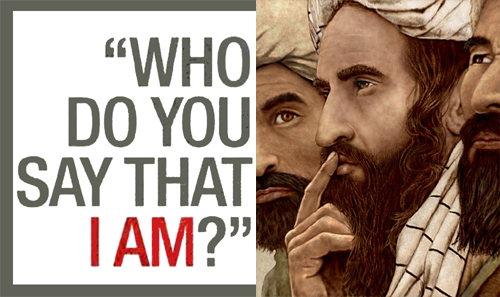
 今日は大倉牧師が休暇のためにノースカウンティー教会の中島光成牧師が「あなたがたはわたしをい誰だと言いますか」というタイトルのもと、礼拝メッセージを取り次いでくださいました。
受難週にこの問いかけを想いつつ、過ごしましょう。
「礼拝プログラム」、「一日一生」はこちらから。本日の「日英礼拝メッセージ原稿」、「おもちかえり」はこちらから ↓
「あなたがたは、わたしをだれだと言いますか」
マタイ16章13節~18節
ノースカウンティ-教会牧師 中島光成
主の御名を賛美します。
こうして時々サンディエゴ教会でみなさんと礼拝を共にできますことを、心から感謝しています。イエス様を救い主として信じている主にある兄弟姉妹たちが、近くの町にこれだけおられるのだという事をこの目で見ることは、普段少人数で礼拝をささげている私にとって、大きな励ましです。
今日は、1年に50数回ある日曜日の中でも、大切な日曜日のひとつです。ここにおられる多くの方がご存知のように、棕櫚の日と呼ばれる日曜日です。なぜ、特別大切な日曜日かと言いますと、教会では、今日から始まる1週間を受難週と言いまして、イエス様の十字架を特別に思い出すときだからです。今日、棕櫚の日は、イエス様が十字架にかけられることを意識されながら特別にエルサレムに入場されたことを記念する日です。今週の木曜日は、洗足木曜日ともいわれます。洗うという字と、足という字で、洗足です。その洗足木曜日、イエス様が最後の晩餐の時、弟子たちの足を洗われたことからそういう名前が付いています。金曜日は、受難日、イエス様が十字架にかけられた日です。そして、土曜日を挟んで、日曜日。来週の日曜日が、イースター、イエス様の復活を記念する日になります。
さて、この棕櫚の日、イエス様が十字架にかけられることを意識して弟子たちと共にエルサレムに入られました。その時、周りにいた群衆たちは、口々に「ホーシャーアー、ナー」「ホーシャーアー、ナー」と叫びながら、棕櫚という植物のはっぱやら自分が来ていた着物やらを道にしきながら、イエス様を迎えたのでした。それで、棕櫚の日という名前が付きました。私たちが歌う賛美の中に「ホサナ」とカタカナでなっているののもとは、この時、群衆たちが叫んだ、「ホーシャーアー、ナー」です。意味は、「今、救ってください」ということだそうです。ですから、群衆はイエス様に対して、「今、救ってください。今、救ってください」と言いながらイエス様を迎えたという事になります。言い換えるならば、イエス様、あなたは私たちの救い主ですと言いながらイエス様をお迎えしたともいえるわけです。「イエス様、あなたは私たちの救い主です。」イエス様に対して、何とふさわしい呼びかけでしょうか。
群衆の知恵という言葉があります。多くの人の集団というのは、問題解決やいろんなことを予測する時、結構正しい結論に至るということです。例えば、大統領選挙。大統領選挙で誰が当選するか、という予測がありますね。自分が誰に投票するかとか、誰になって欲しいか、ではなく、誰が当選しそうだと思うかという質問を、投票所の出口調査で行うと、たくさんの人に聞けば聞くほどかなりの確率で誰が当選するかが分かるそうです。もう一つの例は、ビー玉の数。大きな透明な箱に、ビー玉がたくさん入っている所を想像してください。それを見せて、みんなに聞くんです。この箱の中に何個ビー玉が入っていると思いますか。これも、たくさんの人に聞けば聞くほど、その平均を出すと、実際の数と合ってくるそうなのです。そういうことを研究している人がいるのですね。ある意味、イエス様がエルサレムに入場されるとき、そのイエス様に「今、救ってください」、「イエス様、あなたは私たちの救い主です」と叫んだ群衆の判断は正しかったと言っていいでしょう。
では、私たちは、今、イエス様に対して、何と呼びかけますか。「イエス様に、何と呼びかけるか」という質問の中には、もっと大切で本質的な質問、「私たちは、イエス様を誰だと思っているのか」が含まれます。イエス様を、いったい誰だと思っているのか。これは、大切な大切な質問です。実は、イエス様ご自身もこの質問を弟子たちにされました。「あなたがたは、わたしをだれだと言いますか」このイエス様の質問にどう答えるのか。おそらくこれは、私たちが答えるありとあらゆる質問の中で最も大切な質問だろうと思います。入学試験の質問も大切です。また、「結婚してください。Will you marry me?」も大切な質問です。それらは人生を左右する質問です。けれども、「あなたは、わたしを誰だと言いますか」というイエス様の質問にどう答えるかは、私たちの永遠を左右する質問です。大切な質問ですね。今日は、このイエス様の質問、「あなたがたは、わたしを誰だといいますか」に共に取り組みたいと思います。
イエス様が活躍しておられたころ、イエス様は、人々のうわさの的でした。そこらへんのことが、イエス様と弟子たちの対話の中で出てきます。マタイ16章13節からのところです。ある時、イエス様は、弟子たちに尋ねました。「人々は、人の子をだれだと言っていますか。」この「人の子」とは、イエス様ご自身を指します。イエス様は、何度かご自分のことを「人の子」と呼ばれました。ですから、この質問は、分かりやすくするなら「人々は、わたしのことを誰だと言っていますか」ということになります。弟子たちが、口々に答えます。「バプテスマのヨハネだという人がいます。」「エリヤだという人もあります。」「他の人たちは、エレミヤだって言っています。」「預言者の一人だとも言っています。」そして、イエス様は、弟子たちに聞くのです。「よろしい。他の人がどういっているのかは分かった。では、あなたがたは、あなたは、わたしを誰だと言いますか。」それに対して、シモン・ペテロが答えました。「あなたは、生ける神の御子キリストです」
これが、弟子たちとイエス様のした対話でした。実は、この対話は、あたかもその直前の14章15章の内容をとても短くまとめたもののようであるとも理解できるのです。すなわち、イエス様が、バプテスマのヨハネの再来だって言われたり、エリヤだあるいはエレミヤだっていわれたりするにふさわしいお方であるということが、14章、15章で語られ、それを受けるようにして、弟子たちのあの発言があったということです。そこで、今日は、「あなたがたは、私を誰だと言いますか」という答えとして、14章と15章を大まかに見ながら、バプテスマのヨハネのような、エリヤのような、エレミヤのような、そして、預言者の一人のようなと続き、最後に生ける神の御子キリストというペテロの信仰告白を味わいたいと思います。
Ⅰ、バプテスマのヨハネのような
まず14章最初の話、バプテスマのヨハネの最後です。バプテスマのヨハネは、当時の権力者ヘロデの再婚が正しいものでないことをはっきり言った為に牢屋に入れられていました。ヘロデは、自分の兄弟ピリポの妻ヘロデヤと不倫関係になります。そして自分の妻とは離婚し、ピリポと離婚したヘロデヤと再婚します。そんな再婚が正しくないことは明白なのですが、当時の権力者です、普通の人は恐れて本当のことが言えません。しかし、バプテスマのヨハネは、大胆にヘロデに対しても正しいことを言います。「その再婚は神の律法に反している。」その結果、ヨハネは牢屋に入れられます。
そんな時、ヘロデの誕生祝に、ヘロデヤの娘が宴会の席上で踊りを踊って、ヘロデを喜ばせます。ヘロデは言います。なんでも欲しいものを言いなさい。必ずあげるから。この娘は、母親であるヘロデヤと相談します。ヘロデヤは、自分の結婚に文句をつけたバプテスマのヨハネを憎んでいました。そして、娘に言わせます。「バプテスマのヨハネの首を今、ここで、下さい」ヘロデは、約束をしてしまった手前、その願いをかなえます。イエス様から、人類でもっとも偉大な人物と評された預言者ヨハネは、宴会の余興のようにして小娘のリクエストにより殺されたのです。この世は、こういうことが起こりうるということです。神様のために一生懸命生きた人が、若くして志半ばに不条理に死を向かえ、自分の欲のまま生きた人が裕福で贅沢に暮らし続けるということがあるのです。それがこの世です。けれども、それで終わりではありません。神様は、必ずそれぞれに相応しい報いを与えます。
数ヵ月後、ヘロデは、イエス様に関するうわさを聞きます。するとヘロデは言いました。「あれは、バプテスマのヨハネだ、ヨハネが死人の中からよみがえったのだ。だからあんな力が彼のうちに働いているのだ。」イエス様が、バプテスマのヨハネの再来とうわさされた一例がここに出てきます。ヘロデは、宴会での自分の酔った勢いによる軽率な言葉によって、罪のないバプテスマのヨハネを殺したことに罪責感を持っていたのでしょうね。人は、つい言ってしまった軽率な言葉の刈り取りをするのです。ヘロデは、ヨハネを殺した後、平安を失ったのでしょう。イエスという不思議な力を持った預言者のような人がいることを聞いて、バプテスマのヨハネが生き返ったのだ、と恐れました。
イエス様は、このようにしてバプテスマのヨハネの再来とうわさされることになりました。マタイは、バプテスマのヨハネの最後、そしてイエス様に対するこのようなうわさをここに書くことで、イエス様も、ヨハネのように不条理な死刑によって殺されるのだ、ということを暗示しているかのようです。
この記事で印象的なのは、12節です。バプテスマのヨハネの死刑の後日談です。「それから、ヨハネの弟子達がやってきて、死体を引き取って葬った。そして、イエスのところに行って報告した。」イエスのところへ行って報告した。このところを読んで、私はとても励まされたことがあります。さびしい時、悲しい時、辛い時、ありますね。そういう時ってその思いの持ってき場がないと、さらにさびしく、悲しく、辛いです。ヨハネの弟子達は、自分たちの先生が非業の死を遂げたその絶望的な、その時に、イエス様のところへ行って話したのです。良い判断だったと思います。きっと大きな慰めを受けたと思います。イエスのところへ行って報告した。私たちもそうありたいと思います。
Ⅱ、エリヤのような
14章にでてくる2番目の話は、5000人の給食と良くいわれるお話です。イエス様は、バプテスマのヨハネの死を知って、一人になって祈りたかった。けれど、群衆はそんなイエス様の心なんて知りませんから、イエス様の居場所を知ると群がってきます。イエス様は、そういう群衆を見て、深くあわれまれ、病気を癒されます。
そうこうしていると、時間がたってしまい夕方になりました。弟子達は、心配して言いました。「先生、この群衆を解散させてください。もうすぐ夜です。みんなを帰らせ、それぞれで食事を何とかするように言って下さい。そうしないと、腹ペコの群衆なんてろくなことにはなりませんよ。」イエス様は答えました。「あなたがたで、あの人たちに何か食べるものを上げなさい。このまま空腹のままみんなを帰らせるのはかわいそうです。」弟子達は、ビックリします。「かわいそうってったって、男だけでも5000人はいますよ、先生。全部あわせたら1万人はくだらないでしょう。この人たちに何か食べ物上げろって、そりゃ無茶ですよ」一人の弟子が言いました。「ここにあるのはパンが5つと、魚が2匹っきりですよ、先生。」イエス様は、「それをここに持って来なさい」と言い、祝福のお祈りをし、弟子達に配らせました。全員食べて満腹になり、12かごも余りが出ました。奇跡が起きました。
この話の中に、エリヤとの共通点が二つあります。大きな出来事の後、一人になり、神様と交わったということ、少量の物質で、多くの食事をまかなうという奇跡を起こした。マタイは、これらのことを通して、イエス様がエリヤとうわさされるに相応しい人物であったことを描いているのだと思います。
Ⅲ、エレミヤのような
次は、エレミヤのようなということです。マタイの福音書15章には3つの話があります。最初の一つがエレミヤのようだと言われる部分です。15章1節から20節のところです。イエス様は、パリサイ人たちや律法学者たちと論争します。その中で弟子達の言葉を通して、パリサイ人たちが、イエス様の言葉に腹を立てたことが分かります。12節です。「そのとき、弟子達が、近寄ってきて、イエスに言った。『パリサイ人が、御言葉を聞いて、腹を立てたのをご存知ですか。』」
イエス様の言葉は、時に人に腹を立てさせたようです。旧約聖書にでてくる預言者エレミヤも、時にその言葉によって人々の怒りや反対を受けました。エレミヤは、涙の預言者、嘆きの預言者、悲しみの預言者といわれます。エレミヤは主から受けた言葉を語り、人々はそれを無視し、あざける、といったことが繰り返されます。
二つだけその例をみてみましょう。エレミヤ37章2節、「彼、(ユダの王ゼデキヤのことです。)も、その家来たちも、一般の民衆も、預言者エレミヤによって語られた主の言葉に聞き従わなかった。」エレミヤ43章2節「すると、(エレミヤが語り終えると)ホシャヤの子アザルヤと、カレアハの子ヨハナンと、高ぶった人たちはみな、エレミヤに告げて言った。「あなたは偽りをかたっている。」
エレミヤは、神様の御心に背を向け、その結果滅び行こうとしているユダの国を前に、涙を持って預言しました。けれども、無視され、あざけられ、罰せられました。イエス様もまた、神様の御心に背を向け、数十年後に滅び行くエルサレムを前に、涙し、御言葉を語り続けました。そして、最後は、あざけられ十字架刑という極刑に処せられるのです。イエス様は、まさにエレミヤの再来と称されてしかるべきお方です。
Ⅳ、預言者の一人のような
次に、預言者の一人のようだということを見たいと思います。この、預言者の一人というのが、誰かを指したのでない普通の表現なのか、特定の人物を指したのか、はっきりとは分かりません。ある人は、この表現は、モーセを指すのでないだろうか、と言います。モーセはあまりに偉大なので、直接名前は言わず、こういう表現で言うと当時の人は、あっモーセのことを言っているな、と分かったと言うのです。定かなことではありませんが、ありえることだと思います。そして、今回のように、このマタイ16章14節を直前のマタイ14章15章の目次のように考えると、これが、モーセを指した表現であると考えることは、あながち無理なことでないことが分かります。
マタイの15章21節から39節のところが、丁度その箇所です。二つの話があります。最初の話は、イエス様が異邦人の町に行かれたときに起きた出来事です。そこで、その町に住む異邦人、外国人の女性がイエス様に助けを求めます。イエス様は、冷たくあしらいます。しかし、対話は続き、最後には、この女性のへりくだった信仰が表現され、イエス様はそれをほめ、助けてあげるという話です。
その対話の中で、イエス様がこういいます。「わたしは、イスラエルの家の滅びた羊以外のところには遣わされていません。」イスラエルの人々を羊にたとえ、その群れを導く指導者と言うイメージがそこにはあります。そして、謙って食い下がる彼女をイエス様は助けます。
モーセは、まさにイスラエル民族が形成される時期、出エジプトそして荒野の旅の指導者です。イスラエルの民たちが、あたかも羊の群れのように荒野をあちらへ行き、こちらへ行き、旅を続けます。また、この時、出エジプトしたのはイスラエル人たちだけでなく、少数のエジプトに住んでいた外国人たちも含まれていたと考えられています。神の民の動きを見、謙虚な思いでそれに従った外国人たちも救われ、神の民に加えられたのでした。そこには、リーダーのモーセがいました。イエス様と、モーセの共通点を見ます。
また、後の話は、4000人の給食といわれるところです。29節から39節です。まずイエス様がガリラヤ湖畔の山に登って座ります。その周りに人が集まり、癒しの奇跡が起きます。その後、男だけで4000人、全部いれると一万人にもなろうかと言う群衆が七つのパンと少量の魚をもとに配られた食事で持って、満腹になるという奇跡が起きました。
イスラエルの人たちは、その出来事に遭遇して、何を思ったでしょうか。きっと荒野を旅した自分たちの祖先たちも、このように不思議な出来事を通して、不思議な食べ物で持って命をつないだよなあ、そう思った人は結構いたのではないかと思います。そうです、屋外で大勢の人が、ある指導者の下、不思議な食べ物で養われる、モーセに率いられた荒野の旅のイメージです。そして、人数が4000人と言うのも、荒野の旅の40年を思い出させる数字ですね。
イエス様は、イスラエルのリーダー、それも外国人を排除するようなやり方ではなく、謙ってついてくる人たちを歓迎するイスラエルのリーダーであったモーセ、不思議な方法で人々を養ったモーセの再来のように言われても不思議でないお方だったということです。
Ⅴ、生ける神の御子キリスト
さて、これまで、当時の人々がイエス様をどのように見ていたかを振り返ってきました。バプテスマのヨハネのようだ、エリヤのようだ、エレミヤあるいはモーセのようだと言われてきました。そういった感覚は、悪くないです。むしろ旧約聖書に親しんでいる証拠でもあります。そして、イエス様はそういわれてしかるべきお方でもありました。しかし、実際のイエス様は、それらの偉大な人物を併せても間に合わないほど偉大な人物でした。私たちは、毎週そのお方を礼拝しているのです。ペテロは、そのイエス様に「あなたは、生ける神の御子キリストです」とその時の彼の信仰を告白しました。その告白に対して、イエス様は、「バルヨナ・シモン。あなたは幸いです。このことをあなたに明らかに示したのは、人間ではなく、天にいますわたしの父です。」とそのように告白できたペテロに言葉をかけます。そして続けて言いました。「ではわたしもあなたに言います。あなたはペテロです。わたしはこの岩の上に私の教会を建てます。」ここに教会の基礎が宣言されたのでした。
ある人は、イエス様が誰であるか、と言う問いに対する答えは究極的には三つしかない、と言います。イエス様が、うそつきか、精神障害者か、神の御子かの三つだというのです。
イエス様は、自分が神と等しい者だということを言葉と行動で示してきました。もし、イエス様が自分は神の御子でないと知りつつ神の御子だといい続けていたならば、それはうそつきです。しかも、愚かなうそつきです。なぜなら、神の御子だと主張して曲げなかったせいで十字架にかけられたのです。それはうそでした、と言えば助かるのに、イエス様は神の御子として十字架にかけられました。もし、神の御子だといううそをついていたならば、そのうそのために十字架にかけられるなどということを人はするでしょうか。とても考えにくいことです。
イエス様は、うそつきでないとしたら、可能性は二つです。本当にそう思い込んでいた精神が病んだ人か、本当に神の御子か、のどちらかです。しかし、精神が病んだ人であるとは到底思えません。精神科の医者で福音書を分析した人がいるそうです。彼は、イエス様の教えの高い倫理性と一貫性、危機における落ち着いた態度等から考えて、イエス様が精神的に病んでいたとは到底考えられないと結論付けました。むしろ、歴史上で最も健康な精神を持った人であっただろうといいます。
イエス様が、うそつきでもなく、精神障害者でもないとしたら、後の可能性はただひとつです。本当に神の御子であるということです。十字架で死んだ後、三日目によみがえった事実、またその後の弟子達と教会の歴史を見るときに、イエス様は本当に神の御子であったということは証明されています。
しかし、ここですべての人が納得してイエス様は神の御子だとは言えないのです。すべての人どころか、多くの人は今でも、イエス様が神の御子救い主、キリストであると言わないのです。イエス様は、うそつきでないし、また精神障害者でもないと認めつつも、イエス様を神の御子救い主キリストとは言えない人がとても多いのです。それ以外の選択肢がないにもかかわらず、です。そこまで、人間は頑固で罪深いということです。
まさに、誰でも聖霊によらなくてはイエスを神の御子ということはできない、のであり、イエス様がペテロにかけた言葉、「このことをあなたに明らかに示したのは天にいます私の父です。」の通りです。イエスを神の御子と信仰により告白できる人は幸いです。なぜなら、その告白の中にまことのいのちがあるからです。ヨハネは書きました。永遠の命とは父、子、御霊なる神の交わりに入れていただくことである、と。イエス様を神のみ子と告白することは、イエス様と出会い、父なる神に示され、聖霊の助けによってはじめてできることです。まさに、イエスを神の御子と信仰もって告白することは、父、子、聖霊の永遠の交わりに既に入っていると言うことだと言うことです。だから、その告白こそが、教会の土台なのです。
今日は、棕櫚の日の礼拝です。イエス様に対して「あなたは救い主です。今、救ってください」といった群衆は、数日後に「イエスを十字架につけろ」と叫びました。以前イエス様に対して「あなたは生ける神の御子キリストです」と言ったペテロも、棕櫚の日の数日後「イエスなんて知らない。あんな人、知らない」って断言しました。「あなたは、わたしを誰だと言いますか」というイエス様の問いは、一回正しい答えを言えただけではいけないのだということが分かります。イエス様は、「あなたは、私を誰だと言いますか」と問い続けてくださっているととらえるのが良い感じがします。そのイエス様からの問いかけに、「あなたは、生ける神の御子、キリストです」と「あなたは、私の救い主、人生の主です」と言い続けられる私たちでいたいですね。また、別の角度からこのことを見るならば、次のようにいう事ができます。イエス様を十字架に追いやった群衆も、悔い改めた時救われた。イエス様を否定したペテロも、悔い改めて信仰が回復した。すなわち、「あなたは、わたしを誰だと言いますか」というイエス様の問いに、1回や2回答えそこなっても、もし、真剣に心から悔い改めるならば、イエス様は、喜んでその関係を回復してくださるという事です。もしかすると、必ず失敗する私たちをよくご存じのイエス様は、まさに忍耐強く、何度も何度も「あなたがたは、私を誰だというのか」と優しく問い続けてくださっているのかもしれません。私たちは、そのイエス様の問いにどのように答えてきたでしょうか。そして、今どのように答えましょうか。お祈りします。
天の神様、イエス様を遣わしてくださり、ご自身の愛を余すところなく表してくださり感謝します。イエス様を、生ける神の御子キリストですとどんな時も告白し続ける私たちにしてください。イエス様を、私の救い主、人生の主と、どんな時も告白し続ける私たちにしてください。イエス様のお名前によってお祈りします。アーメン。
Who do you say I am?
March 29, 2015
Sermon delivered by Rev. Mitsunari NAKASHIMA
Matthew 16:13-18
When Jesus came to the region of Caesarea Philippi, he asked his disciples, “Who do people say the Son of Man is?” They replied, “Some say John the Baptist; others say Elijah; and still others, Jeremiah or one of the prophets.” “But what about you?” he asked. “Who do you say I am?” Simon Peter answered, “You are the Messiah, the Son of the living God.” Jesus replied, “Blessed are you, Simon son of Jonah, for this was not revealed to you by flesh and blood, but by my Father in heaven. And I tell you that you are Peter, and on this rock I will build my church, and the gates of Hades will not overcome it.
Praise the name of the Lord.
I am very grateful for giving me chances from time to time to celebrate Sunday services at your San Diego Church. Our church has a small congregation. It is nice to see so many brothers and sisters in the Lord attending this service this morning.
There are more than 50 Sundays in a year. But today is a very important Sunday. As many of you know it is called the Palm Sunday. In Christian churches, this Sunday marks the beginning of a week we call the Passion Week, when we commemorate the cross of Jesus. This Palm Sunday marks the day when Jesus entered Jerusalem knowing that he would be executed on a cross. This coming Thursday is a Maundy Thursday. It is also known as a Foot-Washing Day. This is because on this Thursday, at the Last Supper, Jesus washed the feet of the disciples. Friday is a Good Friday, the day when Jesus was crucified. After Saturday comes Sunday. This coming Sunday is the Easter Day, when we commemorate the day of resurrection of Jesus.
On this Palm Sunday, Jesus entered Jerusalem with his disciples knowing that he would be crucified. At that time, the multitude of people welcomed Jesus shouting “Hosana”, “Hosana” and placing branches of palm trees and cloaks they were wearing on the road. That is why it is called the Palm Sunday. We see this word “Hosana” in our hymn books. This word “Hosana” came from what the crowd was shouting on that day. “Hosana” means “Save now.” So, the crowd was welcoming Jesus shouting “Save us now. Save us now.” In other words, they welcomed Jesus shouting that Jesus was their savior. “Jesus, you are our savior.” It was a joyous cry of the people.
We often hear the word “Wisdom of Crowds”. It says that crowds can reach correct conclusion when they try to solve problems or predict future together. Think about the presidential election. Predictions are made about the winner. In an exit poll, a very accurate prediction can be reached, it is said, when a large number of people are asked not whom they have voted for or whom they wanted to win, but who they thought would win. Or, consider the marbles. Imagine a large number of marbles placed in a transparent box. People are shown this box of marbles and are asked to guess the number of marbles in it. It is known that the average of these guesses comes very close to actual number when a large number of people are asked. There are scholars studying such subjects. In a way, when Jesus entered Jerusalem, the prediction of the crowd was correct when they shouted “Save us now” and “Jesus, you are our savior.”
Then, how do we call Jesus now? The question: “How do we call Jesus?” contains a more fundamental question: “Who do we think Jesus is?” “Who do we think Jesus is?” This is a very, very important question. It so happens that Jesus asked this same question to the disciples: “Who do you say I am?” How are we to answer this question? This may be the most important question, among all questions we face, that we have to answer. Admission test questions are important. “Will you marry me?” is an important question also. These could change our life. But the answer to this question: “Who do you say I am?” asked by Jesus is going to completely change our life forever. This is an important question. This morning, let us together consider this question asked by Jesus: “Who do you say I am?”
During his ministry, Jesus was a talk of the town. This is reflected in the conversation between Jesus and the disciples, recorded in Matthew 16:13. Jesus asked his disciples: “Who do people say the Son of Man is?” The “Son of Man” means Jesus. Jesus had called himself as a “Son of Man” many times. So, this means Jesus was asking: “Who do people say I am?” The disciples answered: “Some say John the Baptist; others say Elijah; some say Jeremiah; and still others say one of the prophets.” Then Jesus asked: “OK. I understood what other people are saying. But what about you? Who do you say I am?” Simon Peter answered: “You are the Christ, the Son of the living God.”
This conversation took place between the disciples and Jesus. Actually, we can consider that this conversation summarizes the content of chapters 14 and 15, just before this. In other words, we can say that chapters 14 and 15 talked how it was appropriate that was regarded as a return of John the Baptist, as Elijah, and as Jeremiah. The disciples’ answers reflected on those episodes. So, this morning, let us consider answers to “Who do you say I am?” We will look at chapters 14 and 15 as we consider answers like the John the Baptist, Elijah, Jeremiah, one of the prophets, and finally the Christ, the Son of the living God.
I: Like John the Baptist
The first part of Chapter 14 talks about the last days of John the Baptist. John the Baptist had been imprisoned because he openly stated that the marriage of the ruler Herod was not lawful. Herod had an affair with Herodias, the wife of his brother Philip. And he divorces his wife and married Herodias who had been separated from Philip. This marriage was clearly not lawful. But, Herod was a powerful ruler and no ordinary citizen could protest. But John the Baptist spoke up openly against Herod saying: “It is not lawful to marry that woman.” For that reason, John was arrested and was placed in prison.
Now, on Herod’s birthday party, Herodias’ daughter danced for guests and pleased Herod very much. Herod told her that he would give whatever she wanted. This daughter consulted her mother Herodias. Since Herodias hated John the Baptist since he had spoken up against the marriage, she ordered her daughter to say: “Give me here the head of John the Baptist.” Herod could not back down and granted the daughter’s wish. John the Baptist was regarded as one of the greatest men. However, he was killed by this daughter as a part of entertainment of a party. Things like this could happen in this world. A man who devoted his life to God could die young unexpectedly, while another greedy man could live rich and luxurious life. This is what happens in this world. But, that is not the end. God always provides rewards fit for each of these situations.
Several months later, when Herod hears a rumor about Jesus, he said: “This is John the Baptist. He has risen from the dead! That is why miraculous powers are at work in him.” Here is one example of people saying Jesus was the return of John the Baptist. Herod must have regretted to have killed innocent John the Baptist because of his careless words under the influence of alcohol. Man must reap the result of careless words. Herod must have been worried after he had killed John. When he heard that there was a man called Jesus who had a miraculous power like a prophet, Herod feared that John the Baptist had returned from the dead.
In this way, Jesus was rumored to be John the Baptist coming back from the dead. Matthew wrote about the demise of John the Baptist and about this type of rumor about Jesus – perhaps suggesting that Jesus was also going to be killed unfairly like John.
One verse caught my attention. This was Verse 12 which tells about the days after the death of John the Baptist: “John’s disciples came and took his body and buried it. Then they went and told Jesus.” They went and told Jesus. When I read this passage, I was encouraged greatly. We have times when we are lonely, sad, and distressed. If we cannot direct our feeling to someone, we feel even more lonely, sad, and distressed. The disciples of John felt discouraged and helpless after the death of their teacher. But, at that time, they went to Jesus and told him. This was a wise move. I am sure they got a great comfort from Jesus. They went to Jesus and told him. We should learn to do the same.
II: Like Elijah
The second story in Chapter 14 is about Jesus feeding the five thousand. When Jesus learned about the death of John the Baptist, he wanted to go to a secluded place to pray alone. But, the crowd did not know how Jesus was feeling. They followed Jesus anyway. Jesus had compassion on them and healed their sick.
Before they knew it, the evening approached. The disciples were worried and told Jesus, “Teacher, please send the crowd away. It is already getting late. Send them away so that they can find something to eat. Hungry crowd could turn ugly.” Jesus answered: “You give them something to eat. They need not go away hungry.” Disciples were surprised to hear this. They said: “There are 5,000 men here. There could be over 10,000 people in total. It is impossible to find enough food here to feed them all.” One disciple said: “We have here only five loaves of bread and two fish.” Jesus said: “Bring them here to me.” He looked up to heaven and gave thanks and told the disciples to distribute the food. The crowd all ate and satisfied. Afterwards, the leftover filled 12 baskets. A miracle took place.
There are two aspects that are common between Jesus and Elijah. After a big event, he went to an isolated place to pray to God; he fed a great number of people with a small quantity of food. Matthew was pointing out why some people thought Jesus was like Elijah.
III: Like Jeremiah
Next is: Jesus was considered to be like Jeremiah. There are three episodes in Matthew Chapter 15. The first part is where Jeremiah comes into the picture. This happens in Chapter 15, verses 1 through 20. Jesus argued with Pharisees and the teachers of the law. From the words of the disciples, we understand that the Pharisees were upset with Jesus. Verse 12 says: ”Then the disciples came to him and asked, ‘Do you know that the Pharisees were offended when they heard this?’”
The words of Jesus must have had offended some people. The Old Testament says the prophet Jeremiah also caused anger and opposition from people. Jeremiah was called a Prophet of tears, a Prophet of grief, and a Prophet of sorrow. Jeremiah conveyed the words from the Lord, but the people ignored him and scoffed at him.
Let’s look at two instances: Jeremiah 37:2 says: ”Neither he [King Zedekiah] nor his attendants nor the people of the land paid any attention to the words the Lord had spoken through Jeremiah the prophet.” Jeremiah 43:2 says [when Jeremiah finished telling] Azariah son of Hoshaiah and Johanan son of Kareah and all the arrogant men said to Jeremiah, “You are lying!”’
To the nation of Judah, which had turned away from God and was about to be destroyed, Jeremiah conveyed the words of God with tears. But he was ignored, scoffed at, and was punished. Jesus also saw Jerusalem which had turned away from God and was about to be destroyed. Jesus conveyed the words of God in tears also. But, he was scoffed at, and was eventually executed on the cross. Jesus was indeed like Jeremiah.
IV: Like one of the prophets
Next: Jesus was considered to be like one of the prophets. We do not know if this “one of the prophets” was a generic expression or was pointing to one particular individual. Some say that it was pointing to Moses. Since Moses was such a big character then, people automatically thought that it was Moses they were talking about even if his name was not mentioned. We cannot be sure but it is possible. And, if we consider Matthew 16:14 as the culmination of Matthew chapters 14 and 15, it is not too much of a stretch to think that this was pointing to Moses.
Look at Matthew 15:21-39. There are two episodes here. The first story is about an incident that happened when Jesus was at a town of gentiles. This woman in the town of gentiles and foreigners asked Jesus for help. At first, Jesus was cold to her. But, the conversation continued. And finally, Jesus was impressed by the humble faith of the woman, Jesus praised her and helped her.
During this conversation, Jesus said: “I was sent only to the lost sheep of Israel.” People of Israel were like sheep and Jesus was a shepherd guiding them. But, Jesus helped this tenacious and persistent woman.
Moses was the leader of Israel since their exit from Egypt and throughout years of journey in the wilderness. The people of Israel was like sheep wondering the wilderness going one way and then to the other. It is considered that this group contained not only the people of Israel, but also a small number of foreign residents of Egypt. These foreigners had observed the God’s people and followed the Israelites. They were allowed to join the group of the people of God. And Moses was the leader who allowed that to happen. I see a common thread between Jesus and Moses here.
The next story is about feeding the Four Thousand. Please see Verses 29 through 39. Jesus went on a mountain side along the Sea of Galilee. People gathered around him, and healing miracles took place. After that, the crowd containing 4,000 men, and possibly 10,000 people all together, was fed with seven loaves of bread and a few small fish. Another miracle took place.
What did the people of Israel think when they encountered this miracle? Many of these people must have recalled miracles in which God had provided food to feed the crowd in the wilderness. A great number of people in the outdoors was fed with a miraculous food under one leader. This is like Moses’s doing in the wilderness. The number 4,000 also reminded them of 40 years they had spent travelling in the wilderness.
It was natural that Jesus reminded the people of Israel about Moses, a great leader of Israel who did not kick out foreigners and who had fed people in a miraculous manner.
V: Son of the living God
Thus far, we reviewed who the people of Israel were saying Jesus was like: Like John the Baptist, like Elijah, like Jeremiah, and like Moses. These speculations were not bad. They showed that they were familiar with the Old Testament. Jesus was indeed great like these people. But, actually, Jesus was far greater than all of these people put together. We worship him every week. Peter confessed his faith saying that “You are the Christ, the Son of Living God.” To this, Jesus replied: “Blessed are you, Simon son of Jonah, for this was not revealed to you by flesh and blood, but by my Father in heaven.” Then Jesus continued: ”And I tell you that you are Peter, and on this rock I will build my church.” This was the declaration of the founding of the church.
Some people say that there are only three answers to the question of who Jesus is: Jesus is a liar, a metal case, or the son of God.
Jesus had been showing people that he was equal to God with his words and action. If he was saying that he was the son of God knowing that he was not the son of God, then he was a liar. And he was a stupid liar, too. He ended up being crucified simply because he refused to change his story. He could have been saved from the death on the cross if he simply had admitted that he was telling a lie. If one knows that he would be killed on the cross if he were to continue to insist that he was a son of God, who would be stupid enough to continue to do so?
Now, if he was not a liar, there are two possibilities left. He was either a mental case who thought he was a son of God, or he was indeed the son of God. But, it is hard to believe that Jesus was mentally sick. One psychologist analyzed the Books of Gospels about the character of Jesus. This scholar concluded, based on high moral standing, consistency, and calm demeanor under pressure, that it was difficult to think that Jesus was mentally sick. He concluded, rather, that Jesus had the healthiest mentality in the history.
If Jesus was not a liar, and not a psycho, then that leaves us with only one possibility. And that is: He was truly the son of God. This is verified from the fact that Jesus came back from the dead after three days, and from the subsequent history of the action of the disciples and the church.
However, not all of the people were convinced that Jesus was the son of God. Even today, a great many people refuse to say that Jesus is the son of God and the savior Christ. Many of them agree at least that Jesus was not a liar and not a psycho. But, they cannot say that Jesus is the son of God and the savior Christ. This is so even though there is no other choice. We are very stubborn and sinful.
It is true that only through the Holy Spirit can we call Jesus the Son of God. Remember that Jesus had told Peter: “for this was revealed to you by my Father in heaven.” Those who can confess Jesus as the son of God through faith is lucky. This is because such confession contains the true life in it. John said that the eternal life is granted when we are allowed to be in contact with the Father, the Son, and the Holy Spirit. We can confess Jesus as the son of God only when we meet Jesus, shown to the God the Father, and with help from the Holy Spirit. To be able to confess Jesus as the Son of God, one has to be in an ever-lasting and close contact with the Father, the Son and the Holy Spirit. That is why such confession is the foundation of a church.
Today is the Palm Sunday. On this day, the crowd had pleaded to Jesus: “You are the savior. Please save us now” And yet, this same crowd shouted “Kill Jesus on the cross” only few days later. Peter who had told Jesus only few days earlier that he was the Son of the living God vehemently denied Jesus saying that he did not even know him at all. We must know that when Jesus asks “Who do you say I am?”, it is not enough to answer Jesus correctly once. We must understand that Jesus is asking us: “Who do you say I am?” again and again. We wish that we could never stop answering: “You are the Christ, the son of the living God” and “You are my savior and the Lord of my life.” There is another aspect to this question. Remember that the crowd who had sent Jesus to the cross were saved later when they repented. Peter who had denied knowing Jesus later regained his faith when he repented. It means that even if we provide a wrong answer to the question: “Who do you say I am?” once or twice, Jesus would gladly restore the relationship with us if we repent from the bottom of our heart. Perhaps Jesus knows that we stumble often. That is why Jesus is patiently and repeatedly asking us: “Who do you say I am?” How have we been answering to that question from Jesus? And how do we answer him today?
Let us pray.
Our heavenly father, thank you for sending Jesus to us and revealing your endless love to us. Please lead us daily so that we can continue to confess that Jesus is the Son of the Living God. Give us courage to confess that Jesus is the Savior and the Lord of our life under any circumstances. We pray this in the name of Jesus. Amen.
Translated by Dr. Yasuhisa Hosomatsu
本日のお持ち帰り
マタイ16章13節~18節
「あなたがたは、わたしを誰だと言いますか」
1)あなたは、困難に直面したとき、誰の所に話を持っていきますか(参照:マタイ 14章1節~12節、マタイ11章28節~30節)
2)あなたは、誰かから無茶なことを頼まれたらどうしますか(参照:マタイ14章 13節~21節、Ⅰコリント9章23節、ピリピ4章12節~13節)
3)あなたは、イエス様を証しすることのために、誰かの怒りをかってしまったらどうしますか(参照:マタイ15章1節~20節、Ⅱコリント12章10節、Ⅱテモテ3章12節)
4)あなたは、どのようにイエス様によって助けられたり、導かれたりしましたか(参照:マタイ15章21節~39節、Ⅰコリント10章13節)
5)あなたはイエス様の質問「あなたがたは、私を誰だと言いますか」にどのような言葉で答えますか。そしてその答えを、どのような行動で表しますか(参照:マタイ 16章13節~18節、Ⅰコリント12章3節、ヤコブ2章14節~26節)

生ける神の子!十字架、イエス様の十字架により、生かされている、今の私。生きるも!十字架 の 恵みなり。
アーメン
アーメン!