
 聖書には、女性の名を冠した二冊の書があります。ルツ記とエステル記です。このメッセージでは、ルツ記を取り上げ、そこに記されているナオミ、ルツ、ボアズについて見てみます。
ルツ記の中で行われたことは、「士師たちが治めていた時代」(ルツ記1章1節)の出来事です。物語は、未亡人となり、生活費を工面しようしているナオミとルツから始まりますが、神がボアズという裕福な親戚を通して彼女たちをどのように慈しみ深く養われたかが見られます。
この3人を家族にしたのは、神への信仰であり、この3人の間の愛は、彼らを真に愛し、顧みてくださる神様への信仰から生まれたものなのです。私たちもまた、信仰の家族として結ばれています。そして、御子イエスを通して私たちに示された神の惜しみない愛によって、私たちもまた互いに愛し合うことができるのです(本多)。
「礼拝映像」「ポッドキャスト」「一日一生」はこちらから。
↓ 今日の「日英礼拝メッセージ原稿」「おもちかえり」はこちらから ↓
Naomi, Ruth, and Boaz: A Family Born of Faith in God
ナオミ、ルツ、ボアズ: 神への信仰から生まれた家族
SDJCC Sunday Worship Service
February 2, 2025
There are two books in the Bible that are named after a woman. 聖書には、女性の名を冠した二冊の書があります。
They are Ruth and Esther. ルツ記とエステル記です。
Today, we will look at the Book of Ruth, and look at Naomi, Ruth, and Boaz, whose lives are recorded in the book. 今日はルツ記を取り上げ、そこに記されているナオミ、ルツ、ボアズについて見ていきましょう。
Let’s begin by reading the first part of this four-chapter book. まず、4章からなるこの書の最初の部分を読んでみましょう。
Ruth 1:1-5(ルツ記1章1節-5節)
1 Now it came about in the days when the judges governed, that there was a famine in the land. 1さばきづかさが世を治めているころ、国に飢きんがあったので、
And a certain man of Bethlehem in Judah went to sojourn in the land of Moab with his wife and his two sons. ひとりの人がその妻とふたりの男の子を連れてユダのベツレヘムを去り、モアブの地へ行ってそこに滞在した。
2 The name of the man was Elimelech, and the name of his wife, Naomi; and the names of his two sons were Mahlon and Chilion, Ephrathites of Bethlehem in Judah. 2その人の名はエリメレク、妻の名はナオミ、ふたりの男の子の名はマロンとキリオンといい、ユダのベツレヘムのエフラタびとであった。
Now they entered the land of Moab and remained there. 3 Then Elimelech, Naomi’s husband, died; and she was left with her two sons. 彼らはモアブの地へ行って、そこにおったが、3ナオミの夫エリメレクは死んで、ナオミとふたりの男の子が残された。
4 They took for themselves Moabite women as wives; the name of the one was Orpah and the name of the other Ruth. And they lived there about ten years. 4ふたりの男の子はそれぞれモアブの女を妻に迎えた。そのひとりの名はオルパといい、ひとりの名はルツといった。彼らはそこに十年ほど住んでいたが、
5 Then both Mahlon and Chilion also died, and the woman was bereft of her two children and her husband. 5マロンとキリオンのふたりもまた死んだ。こうしてナオミはふたりの子と夫とに先だたれた。
As can be seen in what we just read, what is recorded for us here took place “in the days when the judges governed.” 読んで分かるように、ここに記されているのは 「士師たちが治めていた時代」の出来事です。
This means this took place during the time of the judges, which includes people like Deborah and Barak and Gideon that we looked at the last couple of weeks. つまりこれらは、ここ何週間で見てきましたデボラやバラク、ギデオンといった人々を含む、士師達の時代に起こったことなのです。
We also see that it was during probably one of the times when the Israelites were suffering due to their disobedience to God. また、イスラエルの民が神様に従わなかったために苦しんでいた時期の一つであったことも分かります。
We come to this conclusion because it says, “there was a famine in the land.” このように結論づけられるのは「その地には飢饉があった」と書かれているからです。
So, we see that this story begins with an Israelite family of the tribe of Judah that has moved to the land of Moab in order to seek better fortunes (food to eat). この物語は、ユダ族のイスラエル人家族が、より良い財産(食べるもの)を求めてモアブの地に移り住むところから始まります。
The story starts out with some dim circumstances, which then becomes even gloomier. 物語は薄暗い状況から始まり、さらに陰鬱になっていきます。
Just five verses into the Book of Ruth, we find out that three women have become widows. ルツ記のわずか5節で、3人の女性がやもめになっていることが分かるのです。
Naomi lost her husband Elimelech, Orpah lost her husband Chilion, and Ruth lost her husband Mahlon. ナオミは夫エリメレクを失い、オルパは夫キリオンを失い、ルツは夫マロンを失いました。
So, Naomi who had moved to the land of Moab with her husband and two sons was now left by herself with her two Moabite daughters-in-law, Orpah and Ruth. 夫と二人の息子と共にモアブに移り住んだナオミは二人のモアブ人の義理の娘、オルパとルツと共に残されてしまったのです。
Being a widow at that time would have been financially difficult, 当時、未亡人であることは経済的に困難であったでしょう、
and for Naomi it would have been even harder to be a widow in a foreign land where there were no relatives to be able to turn to for assistance and support. ナオミにとって、頼ることのできる親族もいない異国の地で未亡人となることは、さらに困難なことであったでしょう。
For some of you here this morning, you can probably relate to Naomi’s circumstances. 今朝ここにおられる方々の中には、ナオミの境遇に共感される方もおられるでしょう。
Due to these circumstances, Naomi decides to return back to her hometown of Bethlehem in Judah, このような事情から、ナオミは故郷のユダのベツレヘムに戻ることを決意します。
for she heard “that the Lord had visited His people in giving them food” (Ruth 1:6).「主がその民を顧みて、すでに食物をお与えになっている」(ルツ記1章6節)ことを聞いたからです。
In other words, God blessed the Israelites with an abundance of food, which indicated that the people’s hearts turned back to God. つまり、神様がイスラエルの民を豊かな食物で祝福し、それは民の心が神に立ち返ったことを示していました。
So, Naomi set out to return to Bethlehem with Orpah and Ruth. そこで、ナオミはオルパとルツと共にベツレヘムに戻ることにしました。
However, before she got out of the land of Moab, Naomi urged Orpah and Ruth to return to their mother’s house, to remarry and settle down among their own people. しかし、モアブを出る前に、ナオミはオルパとルツに母の家に戻り、再婚して自分たちの民の間に定住するように促しました。
Both Orpah and Ruth truly loved Naomi and didn’t want to leave her. オルパもルツもナオミを心から愛しており、ナオミのもとを離れたくありませんでした。
However, after Naomi persuaded them with further words of loving counsel, Orpah left to return back to her mother’s house while Ruth clung to her mother-in-law. しかし、ナオミがさらに愛情を込めて二人を説得した後、オルパは母の家に帰り、ルツは義母にしがみつきました。
Then, Ruth says something to Naomi that I think is one of the greatest declarations of loyalty and loving commitment that is recorded in the Bible. その時、ルツがナオミに言った言葉は、聖書に記されている中でも最も偉大な忠誠と愛の誓いの宣言の一つだと私は思います。
Ruth 1:16-17(ルツ記1章16節-17節)
“Do not urge me to leave you or turn back from following you; for where you go, I will go, and where you lodge, I will lodge. 「あなたを捨て、あなたを離れて帰ることをわたしに勧めないでください。わたしはあなたの行かれる所へ行き、またあなたの宿られる所に宿ります。
Your people shall be my people, and your God, my God. 17 Where you die, I will die, and there I will be buried. あなたの民はわたしの民、あなたの神はわたしの神です。17あなたの死なれる所でわたしも死んで、そのかたわらに葬られます。
Thus may the Lord do to me, and worse, if anything but death parts you and me.”もし死に別れでなく、わたしがあなたと別れるならば、主よ、どうぞわたしをいくえにも罰してください」。
Not only did Ruth declare her loving commitment to stay with Naomi, but she also declared her faith in God. ルツはナオミのもとに留まるという愛に満ちた決意を表明しただけでなく、神様への信仰も表明しました。
In going to Judah with Noami, Ruth was not only leaving behind the land of Moab but she was also leaving behind the gods of her people. ナオミと共にユダに行くことで、ルツはモアブを離れるだけでなく、彼女の民の神々からも離れることになったのです。
Thus, she was clinging not only to Naomi but was clinging also to God, the God of Israel. したがって、彼女はナオミにしがみついただけでなく、イスラエルの神である神にもしがみついたのです。
Ruth’s declaration is so powerful, that I have seen it incorporated into the marriage vow of a wedding that I once attended. ルツの宣言はとても力強く、私は以前出席した結婚式の誓いの言葉にこの言葉が取り入れられているのを見たことがあります。
Obviously, Naomi had nothing more to say to Ruth after this declaration. 明らかに、ナオミはこの宣言の後、ルツにもう何も言うことはありませんでした。
We now see the two of them go to Bethlehem together. こうして二人は一緒にベツレヘムに向かうのです。
Ruth 1:19-22(ルツ記1章19節-22節)
19 So they both went until they came to Bethlehem. And when they had come to Bethlehem, 19そしてふたりは旅をつづけて、ついにベツレヘムに着いた。彼らがベツレヘムに着いたとき、
all the city was stirred because of them, and the women said, “Is this Naomi?” 20 She said to them, 町はこぞって彼らのために騒ぎたち、女たちは言った、「これはナオミですか」。20ナオミは彼らに言った、
“Do not call me Naomi; call me Mara, for the Almighty has dealt very bitterly with me. 「わたしをナオミ(楽しみ)と呼ばずに、マラ(苦しみ)と呼んでください。なぜなら全能者がわたしをひどく苦しめられたからです。
21 I went out full, but the Lord has brought me back empty. 21わたしは出て行くときは豊かでありましたが、主はわたしをから手で帰されました。
Why do you call me Naomi, since the Lord has witnessed against me and the Almighty has afflicted me?” 主がわたしを悩まし、全能者がわたしに災をくだされたのに、どうしてわたしをナオミと呼ぶのですか」。
22 So Naomi returned, and with her Ruth the Moabitess, her daughter-in-law, who returned from the land of Moab. And they came to Bethlehem at the beginning of barley harvest. 22こうしてナオミは、モアブの地から帰った嫁、モアブの女ルツと一緒に帰ってきて、大麦刈の初めにベツレヘムに着いた。
Naomi was in deep anguish, for she was still saddened by what had happened to her in Moab, and was bitter. ナオミは深い苦悩にあり、まだモアブで自分に起こったことを悲しみ、苦い思いでいました。
Yet we see God’s goodness and His faithfulness expressed in the last verse of this chapter. しかし、この章の最後の節には、神様のいつくしみと神様の真実さが表現されています。
The final verse of the chapter mentions that Naomi returned to Bethlehem with Ruth, two individuals who now at this point in the story have expressed their faith in God. この章の最後の節では、その時点で彼女達の神様への信仰を表明したナオミがルツと共にベツレヘムに戻ったことが述べられています。
And although in the preceding verses, Naomi declared, “I went out full, but the Lord has brought me back empty,” そして、その前の節でナオミは「わたしは出て行くときは豊かでありましたが、主はわたしをから手で帰されました」と宣言していますが、
she did not return back empty.彼女はから手で戻ってきたのではありません。
She brought with her a kind, loving, loyal, and faithful daughter-in-law. 彼女は、親切で、愛情深く、忠実で、誠実な嫁を連れて帰ってきたのです。
And the chapter ends on a high note, which gives hope for a brighter future. こうして、この章は明るい未来への希望をあらわす高い調子で終わるのです。
The chapter began, “there was a famine in the land”, この章は「その地には飢饉があった」で始まりましたが、
but it ends by stating, “And they came to Bethlehem at the beginning of barley harvest.”「そして、彼らは大麦の収穫の初めにベツレヘムに来た」と書かれて、終わっているのです。
The rest of the Book of Ruth shows how God generously provides for Ruth and Naomi through a man named Boaz, ルツ記の残りの部分は、ナオミの亡くなった夫エリメレクの裕福な親戚であるボアズという男を通して、
who is a wealthy relative of Naomi’s deceased husband Elimelech.神様がどのようにルツとナオミを惜しみなく養われたかを示しているのです。
So, the second chapter of Ruth begins with the following words: ルツ記の第二章は次のような言葉で始まります:
Ruth 2:1-3(ルツ記2章1節-3節)
1 Now Naomi had a kinsman of her husband, a man of great wealth, of the family of Elimelech, whose name was Boaz. 1さてナオミには、夫エリメレクの一族で、非常に裕福なひとりの親戚があって、その名をボアズといった。
2 And Ruth the Moabitess said to Naomi, “Please let me go to the field and glean among the ears of grain after one in whose sight I may find favor.” 2モアブの女ルツはナオミに言った、「どうぞ、わたしを畑に行かせてください。だれか親切な人が見当るならば、わたしはその方のあとについて落ち穂を拾います」。
And she said to her, “Go, my daughter.” 3 So she departed and went and gleaned in the field after the reapers; ナオミが彼女に「娘よ、行きなさい」と言ったので、3ルツは行って、刈る人たちのあとに従い、
and she happened to come to the portion of the field belonging to Boaz, who was of the family of Elimelech.畑で落ち穂を拾ったが、彼女ははからずもエリメレクの一族であるボアズの畑の部分にきた。
Being a widow and a foreigner, Ruth’s economic opportunities and prospects for income generation were close to nil. 未亡人で外国人であるルツの経済的な機会と収入を得る見込みはゼロに近いものでした。
As far as Ruth’s socio-economic status was concerned, she was in the category of the poor, hopeless and helpless. ルツの社会経済的地位に関する限り、彼女は貧しく、絶望的で、無力な人々の範疇にありました。
Each society has various means of providing for the needy. それぞれの社会には、困窮者を扶養するさまざまな手段があります。
In today’s society, we have something known as welfare. 今日の社会では、福祉と呼ばれるものがあります。
Such did not exist in the time of the judges, but some other means of help for the needy was available. 士師達の時代にはそのようなものは存在しませんでしたが、困窮者を救済する他の手段がありました。
It was called gleaning. それは落ち穂拾いと呼ばれるものでした。
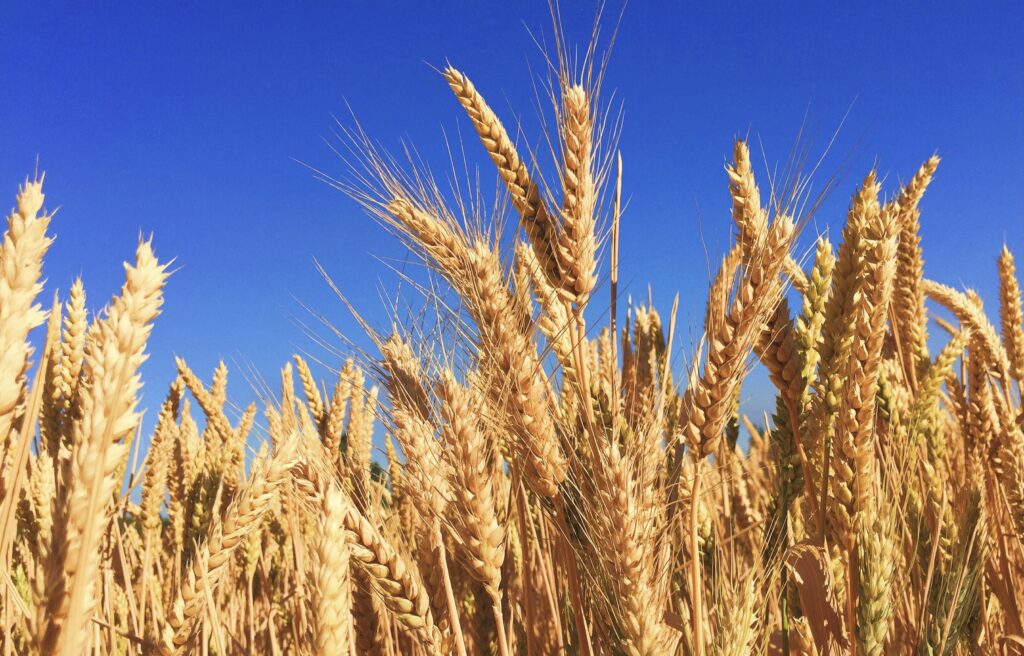
God commanded farmers in Israel not to harvest the corners of their fields so the poor and needy, such as aliens, widows, and orphans, could glean enough food to live. 神様はイスラエルの農夫達に、外国人、寡婦、孤児などの貧しい困窮者が生きるのに十分な食料を収穫できるように、畑の隅を収穫しないように命じたのです。
This commandment was clearly stated in Leviticus 19:9-10. この戒めはレビ記19章9節−10節に明確に記されています。
Gleaning was a God ordained opportunity given to those in great need to work with their own hands in order to provide for themselves, 落ち穂を拾い集めることは、自分達を養うために自分等の手で働く、困窮している人々に与えられた神様の定めた機会であり、
and it was a respectable way for those with no real income generation prospects to make a living. 収入を得る見込みのない人々が生計を立てるための立派な方法でした。
Thus, Ruth wanted to find favor from a farmer who would allow her to pick up leftovers of the harvest. それゆえルツは、収穫の残り物を拾うことを許してくれる農夫から好意を得ようとしました。
The Bible says she happened to come to Boaz’s field. 聖書は彼女ははからずもボアズの畑に来たと言っています。
The author in saying she happened to come to Boaz’s field is really highlighting the fact that this could not have happened without God’s leading. 彼女がはからずもボアズの畑に来たというのは、神の導きなしには起こり得なかったという事実を強調しています。
So, Ruth was directed to Boaz’s field, and she began to glean there. ルツはボアズの畑に導かれ、そこで落ち穂拾いを始めたのです。
Ruth arrived at the field belonging to Boaz early in the morning, even before Boaz made it to the field. ルツは、ボアズが畑に着くよりも早く、朝早くボアズの畑に着きました。
So when Boaz came to his field to check up on how the harvesting was going, Ruth was already gleaning there. つまり、ボアズが収穫の様子を見に畑に来た時、ルツは既にそこで落ち穂を拾っていたのです。
We see how Boaz was a man of faith who truly loved God, and he also loved his employees who were reaping the harvest. 私達は、ボアズがいかに神を心から愛する信仰の人であり、また収穫をする従業員達をも愛していたかを知ることができます。
Ruth 2:4-7(ルツ記2章4節-7節)
4 Now behold, Boaz came from Bethlehem and said to the reapers, “May the Lord be with you.” And they said to him, “May the Lord bless you.” 4その時ボアズは、ベツレヘムからきて、刈る者どもに言った、「主があなたがたと共におられますように」。彼らは答えた、「主があなたを祝福されますように」。
5 Then Boaz said to his servant who was in charge of the reapers, “Whose young woman is this?” 6 The servant in charge of the reapers replied, 5ボアズは刈る人たちを監督しているしもべに言った、「これはだれの娘ですか」。6刈る人たちを監督しているしもべは答えた、
“She is the young Moabite woman who returned with Naomi from the land of Moab. 「あれはモアブの女で、モアブの地からナオミと一緒に帰ってきたのですが、
7 And she said, ‘Please let me glean and gather after the reapers among the sheaves.’ 7彼女は『どうぞ、わたしに、刈る人たちのあとについて、束のあいだで、落ち穂を拾い集めさせてください』と言いました。
Thus she came and has remained from the morning until now; she has been sitting in the house for a little while.”そして彼女は朝早くきて、今まで働いて、少しのあいだも休みませんでした」。
Boaz greeted his employees with the blessing of God’s presence, and his employees responded by invoking God’s blessings upon Boaz their employer. ボアズは神様の臨在の祝福をもって従業員たちに挨拶し、従業員達もそれに応えて、雇い主であるボアズに神の祝福を呼びかけました。
Boaz ever attuned to the needs of his employees and the care of his field, noticed someone new in the field, and asked who this new person was. ボアズは常に従業員の必要や畑の手入れに気を配っていましたが、畑に新しい人がいることに気づき、その新しい人が誰なのかを尋ねました。
The foreman of Boaz’s farm basically gave a glowing review of Ruth as a person and a worker. ボアズの農場長は、基本的にルツを人として、働き手として高く評価しました。
What was highlighted here was that she was young, she was from Moab, and thus a foreigner that qualified to glean in the field, ここで強調されたのは、彼女が若く、モアブの出身であり、畑で落ち穂拾いをする資格がある外国人であったということであり、
she came to Bethlehem with her mother-in-law Naomi to take care of her, she was humble, and she was a hard worker. 彼女は義母ナオミの世話でベツレヘムに来たこと、彼女は謙遜で、働き者であったことです。
Boaz was impressed, and goes immediately to talk to Ruth. ボアズは感銘を受け、すぐにルツに話をしに行きました。
Ruth 2:8-9(ルツ記2章8節-9節)
8 Then Boaz said to Ruth, “Listen carefully, my daughter. Do not go to glean in another field; 8ボアズはルツに言った、「娘よ、お聞きなさい。ほかの畑に穂を拾いに行ってはいけません。
furthermore, do not go on from this one, but stay here with my maids. 9 Let your eyes be on the field which they reap, and go after them. またここを去ってはなりません。わたしのところで働く女たちを離れないで、ここにいなさい。9人々が刈りとっている畑に目をとめて、そのあとについて行きなさい。
Indeed, I have commanded the servants not to touch you. When you are thirsty, go to the water jars and drink from what the servants draw.” わたしは若者たちに命じて、あなたのじゃまをしないようにと、言っておいたではありませんか。あなたがかわく時には水がめのところへ行って、若者たちのくんだのを飲みなさい」。
First of all, he addressed Ruth in a familial manner by calling her “my daughter.” まず、彼はルツを 「私の娘 」と呼び、家族的な態度で接しました。
Then, he exhorted her to continue to glean in his field alongside his hired workers. そして、雇った労働者達と一緒に畑で落ち穂拾いを続けるように勧めました。
He encouraged her to not be afraid of her work or the workers. そして、彼女の仕事や労働者を恐れないようにと励ましました。
He also provided for her protection against the elements by offering her water to drink. 彼はまた、彼女に水を飲ませることで、そこにいる者達から彼女を守りました。
In summary, Boaz showed uncommon kindness to Ruth whom he had met for the first time. まとめると、ボアズは初めて会ったルツに並々ならぬ親切を示したのです。
In response to Boaz’s kindness, we see Ruth’s humility and gratitude. ボアズの親切に対して、私達はルツの謙遜と感謝を見ます。
Ruth 2:10(ルツ記2章10節)
Then she fell on her face, bowing to the ground and said to him, “Why have I found favor in your sight that you should take notice of me, since I am a foreigner?” 彼女は地に伏して拝し、彼に言った、「どうしてあなたは、わたしのような外国人を顧みて、親切にしてくださるのですか」。
Ruth doesn’t just say a polite thank you, but in humility falls on her face, ルツはただ丁寧にお礼を言うだけでなく、謙遜に顔を伏せ、
and with overwhelming gratitude asks Boaz why he is treating her so kindly although she feels she does not deserve it. 圧倒的な感謝をもって、ボアズに、自分はそのような扱いを受けるに値しないのに、なぜそんなに親切にしてくださるのかと尋ねたのです。
Boaz then lifts Ruth up with his words of blessing to her. そして、ボアズはルツに祝福の言葉をかけてルツを高く評価したのです。
Ruth 2:11-12(ルツ記2章11節-12節)
11 Boaz replied to her, “All that you have done for your mother-in-law after the death of your husband has been fully reported to me, ボアズは答えて彼女に言った、「あなたの夫が死んでこのかた、あなたがしゅうとめにつくしたこと、
and how you left your father and your mother and the land of your birth, and came to a people that you did not previously know. 11また自分の父母と生れた国を離れて、かつて知らなかった民のところにきたことは皆わたしに聞えました。
12 May the Lord reward your work, and your wages be full from the Lord, the God of Israel, under whose wings you have come to seek refuge.” 12どうぞ、主があなたのしたことに報いられるように。どうぞ、イスラエルの神、主、すなわちあなたがその翼の下に身を寄せようとしてきた主からじゅうぶんの報いを得られるように」。
The beauty of Ruth was in her humble devotion to Naomi and her faith in God, and Boaz not only commends her for this, ルツの美しさは、ナオミに対する彼女の謙虚な献身と神様への信仰にあり、ボアズは彼女を称賛するだけでなく、
but invokes God’s blessings upon her, reminding her that the God of Israel is a God that provides and protects those who seek His refuge.神の祝福を彼女に呼びかけ、イスラエルの神は避難所を求める人々を養い、守ってくださる神であることを彼女に思い起こさせました。
We then see Boaz continuing to show extraordinary kindness to Ruth. そして、その後もボアズはルツに並外れた親切を示し続けます。
Not only did Boaz provide a place for Ruth to glean, as well as protection from harm and heat (water to drink), ボアズはルツに落ち穂を拾う場所を提供し、害や暑さ(飲み水)から守っただけではなく、
he invited her to eat lunch as part of the “family” or “company”, and he instructed the workers to “share” the harvest with Ruth (Ruth 2:14-16). ルツを「家族」や「仲間」の一人として昼食に招き、収穫をルツに「分け与える」ように労働者たちに指示したのです(ルツ記2章14節−16節)。
The extraordinary amount that was so-called “shared” with Ruth is recorded for us in this manner. ルツに「分け与えられた 」特別なものは、このように記録されています。
Ruth 2:17-20(ルツ記2章17節-20節)
17 So she gleaned in the field until evening. Then she beat out what she had gleaned, and it was about an ephah of barley. 17こうして彼女は夕暮まで畑で落ち穂を拾った。そして拾った穂を打つと、大麦は一エパほどあった。
18 She took it up and went into the city, and her mother-in-law saw what she had gleaned. She also took it out and gave Naomi what she had left after she was satisfied. 18彼女はそれを携えて町にはいり、しゅうとめにその拾ったものを見せ、かつ食べ飽きて、残して持ちかえったものを取り出して与えた。
Boaz’s kindness and generosity toward Ruth was over the top! ボアズのルツに対する親切と寛大さは、度を越していたのです!
God through Boaz provided for Ruth and Naomi, and the provision was extraordinary. 神様はボアズを通してルツとナオミを養われたのです。
Naomi recognized God’s provision through Ruth and Boaz.ナオミは、ルツとボアズを通して神の摂理を認識しました。
Ruth had collected an ephah, about three-fifths of a bushel of barley, in just one day, ルツはたった一日でエパ(大麦の5分の3)を集めました。
which at the time would have been the equivalent of at least half a month’s wages. これは当時、少なくとも半月分の賃金に相当しました。
And then there was also Ruth’s leftover lunch, which she had saved for Naomi to enjoy. さらに、ルツがナオミが楽しめるために取っておいた昼食の残りもありました。
Thus, Naomi asked Ruth where she was able to glean so much. ナオミはルツに、どこでそんなに収穫できたのかと尋ねました。
After hearing that Ruth had gleaned in Boaz’s field, Naomi then realized that God had guided Ruth to Boaz’s field; that it was providential. ルツがボアズの畑で収穫したことを聞いたナオミは、神様がルツをボアズの畑に導かれたのだと悟りました。
Interestingly, Naomi also informs Ruth that Boaz was a close relative of theirs.興味深いことに、ナオミはボアズが自分達の近親者であることもルツに伝えています。
After being informed of Boaz’s connection to the family, Ruth shares how kind Boaz was to her, ボアズと家族のつながりを知らされたルツは、ボアズがどれほど自分に親切にしてくれたか、
and how she was exhorted to continue to glean in his field under his protection until the harvest was over. 収穫が終わるまで、ボアズの庇護の下、ボアズの畑で刈り入れを続けられることを話しました。
Ruth proceeds to glean on Boaz’s field until the end of the barley harvest and the wheat harvest, about six or seven weeks. ルツは、大麦の収穫と小麦の収穫が終わるまで、約6、7週間、ボアズの畑で収穫を続けたのです。
All throughout this time, Ruth lived with Naomi, and cared for her. この間ずっと、ルツはナオミと同居し、彼女の世話をしました。
For Ruth and Naomi, God provided the opportunity for their immediate needs to be met through a wealthy relative named Boaz, as Ruth gleaned in his fields. ルツとナオミにとって、神様はボアズという裕福な親戚を通して、ルツが彼の畑で落ち穂拾いをすることで、当面の必要を満たす機会を与えてくださいました。
However, the opportunity for gleaning, the only means of income for Ruth, was about to end with the harvest season coming to a close. しかし、ルツにとっての唯一の収入手段であった落ち穂拾いの仕事は、収穫期の終わりを告げようとしていたのです。
Naomi realizes God’s providence, and seeks to secure Ruth’s future. ナオミは神様の摂理に気づき、ルツの将来を確かなものにしようとします。
Within the Mosaic Law, there was a law regarding the care of widows, particularly when there was a close relative available to help such a person. モザイク法には、寡婦の世話に関する律法があり、特に近親者がそのような人を助けることができたのです。
The close relative that was to care and provide for the widow was called a kinsman redeemer. やもめの世話をし、養う近親者は近親贖罪人と呼ばれました。
The responsibilities of the kinsman redeemer mentioned in Scripture included: 聖書に記されている近親贖罪者の責任には、次のようなものがあります:
- Avenging the death of a murdered relative (Numbers 35:19)
- 殺された親族の復讐(民数記35章19節)
- Marrying a childless widow of a deceased brother (Deuteronomy 25:5-10)
- 亡くなった兄弟の子供のいない未亡人と結婚する(申命記25章5節−10節)。
- Buying back family land that had been sold (Leviticus 25:25)
- 売られた家族の土地を買い戻す(レビ記25章25節)
- Buying a family member who had been sold as a slave (Leviticus 25:47-49)
- 奴隷として売られた家族を買う(レビ記25章47節−49節)
- Looking after needy and helpless members of the family (Leviticus 25:35)
- 困窮し、無力な家族の世話をする(レビ記25章35節)
As Ruth loved and cared for Naomi as she would her own mother, Naomi loved and cared for Ruth as her own daughter. ルツがナオミを自分の母親のように愛し、ケアーしたように、ナオミもルツを自分の娘のように愛し、ケアーしました。
As such, Naomi’s concern was in securing Ruth’s future, and more specifically it meant finding a husband for her. そのため、ナオミの関心はルツの将来を確保することであり、より具体的にはルツの夫を見つけることでした。
Naomi gives advice to Ruth concerning a marriage opportunity based on the law regarding a kinsman redeemer. ナオミは、近親の贖い人に関する律法に基づき、ルツに結婚の機会に関する助言を与えます。
Ruth 3:1-2(ルツ記3章1節-2節)
1Then Naomi her mother-in-law said to her, “My daughter, shall I not seek security for you, that it may be well with you? 1時にしゅうとめナオミは彼女に言った、「娘よ、わたしはあなたの落ち着き所を求めて、あなたをしあわせにすべきではないでしょうか。
2 Now is not Boaz our kinsman, with whose maids you were?” 2あなたが一緒に働いた女たちの主人ボアズはわたしたちの親戚ではありませんか。
Naomi knew that Boaz was not only a potential kinsman redeemer, but a kind and generous man who had shown extraordinary kindness and love towards Ruth and her. ナオミは、ボアズが近親の贖い主になる可能性があるだけでなく、ルツと彼女に並々ならぬ親切と愛情を示した親切で寛大な人であることを知っていました。
Thus, she plays the role of a matchmaker and devises a plan to bring the two together in marriage. そこで彼女は仲人の役割を果たし、二人を結婚させる計画を立てます。
Naomi comes up with a plan to test the waters. ナオミは試しにある計画を思いつきます。
She gives Ruth specific instructions to follow, and Ruth agrees to do as she is told. 彼女はルツに具体的な指示を与え、ルツは言われたとおりに承諾します。
Because of time, I am not going to read or go into all the details of what went on between Ruth and Boaz. 時間の関係で、ルツとボアズの間に何があったのか、その詳細をすべて読んだり、突っ込んだりするつもりはありません。
However, we see in what Boaz said to Ruth in the following verses that he was willing to become Ruth’s kinsman redeemer and marry her. しかし、次の節でボアズがルツに言った言葉に、彼がルツの近親贖いとなって彼女と結婚することを望んでいたことが分かります。
Ruth 3:10-13(ルツ記1章19節-22節)
10Then he said, “May you be blessed of the Lord, my daughter. 10ボアズは言った、「娘よ、どうぞ、主があなたを祝福されるように。
You have shown your last kindness to be better than the first by not going after young men, whether poor or rich. あなたは貧富にかかわらず若い人に従い行くことはせず、あなたが最後に示したこの親切は、さきに示した親切にまさっています。
11Now, my daughter, do not fear. I will do for you whatever you ask, for all my people in the city know that you are a woman of excellence. 11それで、娘よ、あなたは恐れるにおよびません。あなたが求めることは皆、あなたのためにいたしましょう。わたしの町の人々は皆、あなたがりっぱな女であることを知っているからです。
12Now it is true I am a close relative; however, there is a relative closer than I. 12たしかにわたしは近い親戚ではありますが、わたしよりも、もっと近い親戚があります。
13Remain this night, and when morning comes, if he will redeem you, good; let him redeem you. 13今夜はここにとどまりなさい。朝になって、もしその人が、あなたのために親戚の義務をつくすならば、よろしい、その人にさせなさい。
But if he does not wish to redeem you, then I will redeem you, as the Lord lives. Lie down until morning.”しかし主は生きておられます。その人が、あなたのために親戚の義務をつくすことを好まないならば、わたしはあなたのために親戚の義務をつくしましょう。朝までここにおやすみなさい」。
After this, Boaz does not send Ruth home empty-handed, but gives her six measures of barley to take home to her mother-in-law Naomi. この後、ボアズはルツを手ぶらで帰すことはせず、義母ナオミに持ち帰るようにと大麦を6升渡しました。
So, Ruth returns to Naomi, and gives her a play-by-play detail of what happened, そこで、ルツはナオミのもとに戻り、何が起こったかを事細かに説明し、
and explained that Boaz’s kindness and generosity extended to Naomi in the giving of the barley; a true omiyage.ボアズの親切と寛大さが、本当のお土産、大麦を与えることでナオミにも及んだことを説明した。
Naomi tells Ruth to wait and see what happens, for she will find out soon what will be the outcome. ナオミはそんなルツに、すぐに何が起こるか待っていなさいと言います。
The kinsman redeemer’s responsibility was not just a matter of property but also of posterity; not just land but also of relationship. 近親贖罪者の責任は、財産だけでなく後世の問題でもあり、土地だけでなく関係の問題でもありました。
In Deuteronomy 25, how legally this was to be carried out is recorded in detail. 申命記25章には、このことが法的にどのように行われるかが詳細に記されています。
With these things in mind, we come to the beginning of chapter 4, and see that Boaz goes to the city gate, the place where all legal transactions are handled,これらのことを念頭に置いて、4章の冒頭を見ますと、ボアズは、すべての法的取引が行われる場所である町の門に行き、
and looks for the closest relative that has first right to redeem Naomi and Ruth’s property.ナオミとルツの財産を贖う第一の権利を持つ最も近い親族を探します。
Again, because of time, I will not read the details of this transaction recorded in chapter 4 of the Book of Ruth, so please read it on your own. ここでも時間の関係で、ルツ記4章に記されているこの取引の詳細は読みませんので、各自でお読みください。
Here is what happened at the end of the deliberations that Boaz had with the close relative who had first rights to be Naomi and Ruth’s kinsman redeemer. ボアズが、ナオミとルツの近親者で贖いの第一の権利を持つ者と交わした協議の末に起こったことは次の通りです。
Ruth 4:6-10(ルツ記4章6節-10節)
6The closest relative said, “I cannot redeem it for myself, because I would jeopardize my own inheritance. 6その親戚の人は言った、「それでは、わたしにはあがなうことができません。そんなことをすれば自分の嗣業をそこないます。
Redeem it for yourself; you may have my right of redemption, for I cannot redeem it.” あなたがわたしに代って、自分であがなってください。わたしはあがなうことができませんから」。
7Now this was the custom in former times in Israel concerning the redemption and the exchange of land to confirm any matter: 7むかしイスラエルでは、物をあがなう事と、権利の譲渡について、万事を決定する時のならわしはこうであった。
a man removed his sandal and gave it to another; and this was the manner of attestation in Israel. すなわち、その人は、自分のくつを脱いで、相手の人に渡した。これがイスラエルでの証明の方法であった。
8So the closest relative said to Boaz, “Buy it for yourself.” And he removed his sandal. そこで親戚の人がボアズにむかい「あなたが自分であがないなさい」と言って、そのくつを脱いだので、
9Then Boaz said to the elders and all the people, 9ボアズは長老たちとすべての民に言った、
“You are witnesses today that I have bought from the hand of Naomi all that belonged to Elimelech and all that belonged to Chilion and Mahlon. 「あなたがたは、きょう、わたしがエリメレクのすべての物およびキリオンとマロンのすべての物をナオミの手から買いとった事の証人です。
10Moreover, I have acquired Ruth the Moabitess, the widow of Mahlon, to be my wife in order to raise up the name of the deceased on his inheritance, 10またわたしはマロンの妻であったモアブの女ルツをも買って、わたしの妻としました。これはあの死んだ者の名を起してその嗣業を伝え、
so that the name of the deceased will not be cut off from his brothers or from the court of his birth place; you are witnesses today.”死んだ者の名がその一族から、またその郷里の門から断絶しないようにするためです。きょうあなたがたは、その証人です」。
Thus, Boaz was faithful to uphold his promise to redeem Ruth, while also being faithful to God’s commandments. このように、ボアズは神の戒めにも忠実でありながら、ルツを贖うという約束を守りました。
Family and friends were happy for Boaz and bless Boaz and Ruth’s marriage. 家族や友人たちはボアズを喜び、ボアズとルツの結婚を祝福しました。
Boaz and Ruth get married, and God gives them a son. ボアズとルツは結婚し、神様は彼らに男の子を授けます。
We see that the blessing and benefit was also Naomi’s. その祝福と恩恵はナオミのものでもあったことが分かります。
We also see God’s overarching story unfold at the end of the Book of Ruth. ルツ記の終わりには、神の包括的な物語が展開されます。
We come to see how Ruth fits into the larger story of God’s redemptive work.私達は、ルツが神の贖いの御業という大きな物語の中にどのように位置づけられているかを知るようになるのです。
Ruth 4:16-17(ルツ記4章16節-17節)
16Then Naomi took the child and laid him in her lap, and became his nurse. 16そこでナオミはその子をとり、ふところに置いて、養い育てた。
17The neighbor women gave him a name, saying, “A son has been born to Naomi!” So they named him Obed. He is the father of Jesse, the father of David. 17近所の女たちは「ナオミに男の子が生れた」と言って、彼に名をつけ、その名をオベデと呼んだ。彼はダビデの父であるエッサイの父となった。
Naomi’s life was used to fulfill God’s purposes for the people of Israel. ナオミの人生は、イスラエルの民に対する神の目的を果たすために用いられたのです。
Naomi’s move to Moab brought Ruth to Judah. ナオミのモアブへの移住は、ルツをユダにもたらしました。
Ruth by marrying Boaz, became the great grandmother of David. ルツはボアズと結婚し、ダビデの曾祖母となりました。
Thus, Ruth and Boaz’s lives were used to fulfill God’s purposes for the people of Israel, and ultimately for all mankind, このように、ルツとボアズの人生は、イスラエルの民のため、ひいては全人類のために神の目的を果たすために用いられました。
because it was intertwined with the genealogy of Christ Jesus. なぜなら、それはキリスト・イエスの系図と絡み合っていたからです。
Matthew 1:1-16(マタイ1章1節-16節)
1The record of the genealogy of Jesus the Messiah, the son of David, the son of Abraham: 1アブラハムの子であるダビデの子、イエス・キリストの系図。
2Abraham was the father of Isaac, Isaac the father of Jacob, and Jacob the father of Judah and his brothers. . . . 2アブラハムはイサクの父であり、イサクはヤコブの父、ヤコブはユダとその兄弟たちとの父、。。。
5Salmon was the father of Boaz by Rahab, Boaz was the father of Obed by Ruth, and Obed the father of Jesse. 5サルモンはラハブによるボアズの父、ボアズはルツによるオベデの父、オベデはエッサイの父、
6Jesse was the father of David the king. . . . 16 Jacob was the father of Joseph the husband of Mary, by whom Jesus was born, who is called the Messiah. 6エッサイはダビデ王の父であった。。。。16ヤコブはマリヤの夫ヨセフの父であった。このマリヤからキリストといわれるイエスがお生れになった。
The Book of Ruth tells us the story of Naomi, Ruth, and Boaz, being brought together as a family of faith. ルツ記には、ナオミ、ルツ、ボアズが信仰の家族として結ばれる物語が書かれています。
Yes, what brought these three together into a family was their faith in God. そう、この3人を家族として結びつけたのは、神への信仰でした。
That is what their common bond was, and their love for each other was born out of their faith in God who truly loved them and cared for them. それこそが彼らの共通の絆であり、彼らの愛は、彼らを真に愛し、顧みてくださる神様への信仰から生まれたものなのなのです。
Thus, this becomes a story that we can all relate to, because we are also brought together as a family of faith. このように、私達もまた信仰の家族として結ばれているのですから、これは私達、誰しもが共感できる物語となります。
God’s Story is a story of redemption, and Jesus, God’s Son, who is our Righteous Redeemer, is at the center of the story, and He invites us into His story. 神様の物語は贖いの物語であり、私達の義なる贖い主である神の御子イエスが物語の中心におられ、私達をその物語に招いてくださるのです。
One of the key verses in the Book of Ruth is Ruth 2:12. ルツ記の重要な箇所の一つはルツ記2章12節である。
It is the words that Boaz spoke to Ruth.ボアズがルツに語った言葉です。
Ruth 2:12(ルツ記2章12節)
“May the Lord reward your work, 「どうぞ、主があなたのしたことに報いられるように。
and your wages be full from the Lord, the God of Israel, under whose wings you have come to seek refuge.”どうぞ、イスラエルの神、主、すなわちあなたがその翼の下に身を寄せようとしてきた主からじゅうぶんの報いを得られるように」。
God is a refuge to those who humbly seek Him, and He provides and protects those who are under His care. 神様は、謙虚に神を求める者の避け所であり、神様のもとにいる者を養い、守ってくださいます。
As Ruth found out, we should take to heart the following things as well. ルツが見出したように、私達も次のことを心に留めるべきです。
Who helps us when we are in need? God does! 私達が困っている時、誰が助けてくださるのでしょうか? 神様です!
When does God help us? When we humbly seek Him and put our trust in Him! 神はいつ私達を助けてくださるのでしょうか? 私達が謙虚に神様を求め、神様に信頼を置くときです!
Why does God help us? Because He is kind and loving! なぜ神様は私達を助けてくださるのか? 神様は親切で、愛に満ちておられるからです!
How does God help us? He provides for us and protects us according to our needs. 神様はどのように私たちを助けてくださるのか? 私達の必要に応じて、私達を養い、守ってくださるのです。
Please take this to heart as you go home today: God helps us in our time of need as we humbly seek Him and put our trust in Him. 今日、家に帰る時、このことを心に留めておいてください:神様は、私達が謙虚に神を求め、神様に信頼を置く時、必要な時に私達を助けてくださいます。
In fact, when it comes to our greatest need—rescue from sin and death—there is nothing we can do to save ourselves. 実際、私達が最も必要としていること、すなわち罪と死からの救いに関しては、私達自身を救うためにできることは何もありません。
We are utterly helpless when it comes to saving ourselves.私達は、自分自身を救うことに関してはまったく無力なのです。
Romans 5:6-8 puts it this way:ローマ5章6節−8節はこう言っています:
Romans 5:6-8(ローマ書5章6節-8節)
6 For while we were still helpless, at the right time Christ died for the ungodly. 6わたしたちがまだ弱かったころ、キリストは、時いたって、不信心な者たちのために死んで下さったのである。
7 For one will hardly die for a righteous man; though perhaps for the good man someone would dare even to die. 7正しい人のために死ぬ者は、ほとんどいないであろう。善人のためには、進んで死ぬ者もあるいはいるであろう。
8 But God demonstrates His own love toward us, in that while we were yet sinners, Christ died for us. 8しかし、まだ罪人であった時、わたしたちのためにキリストが死んで下さったことによって、神はわたしたちに対する愛を示されたのである。
Indeed, God helps us with our greatest need when we are most helpless.実際、神様は、私達が最も無力な時に私達の最大の必要を助けてくださいます。
God has given us His Son Jesus Christ as our Savior, and we are to humbly receive Him and put our faith in Him. 神様は御子イエス・キリストを救い主として与えてくださいました。私達は謙遜に彼を受け入れ、私達の信仰を彼に置くのです。
Romans 8:32 reminds us. ローマ人への手紙8章32節は私達にこう言っています。
Romans 8:32(ローマ書8章32節)
He who did not spare His own Son, but delivered Him over for us all, how will He not also with Him freely give us all things? ご自身の御子をさえ惜しまないで、わたしたちすべての者のために死に渡されたかたが、どうして、御子のみならず万物をも賜わらないことがあろうか。
As the One who redeems us, He has shown extraordinary kindness and love towards us!私達を贖うお方として、主は私達に並外れた優しさと愛を示してくださいました!
And His kindness and generosity toward us is truly over the top! 私達に対する主の優しさと寛大さは、まさにこの上ないものです!
Therefore, we can also be kind and loving and generous toward one another. ですから、私達もまた、互いに親切にし、愛し合い、寛大になることができるのです。
As a family of faith, let us learn to love one another, just like Naomi, Ruth, and Boaz did. 信仰の家族として、ナオミ、ルツ、ボアズがしたように、互いに愛し合うことを学びましょう。
Let us pray. お祈りしましょう。
本日のおもちかえり
2025年2月2日
1)メッセージの中で参照した聖句:レビ記19章9節—10節、25章25節と35節と 47節—49節、民数記35章19節、申命記25章5節−10節、ルツ記1章—4章、 マタイの福音書1章1節—16節、ローマ書5章6節—8節と8章32節
2)「飢饉」と聞いて何を思い浮かべますか? 「収穫」と聞いて何を思い浮かべますか? あなたは人生の中で、飢饉や収穫のように感じた時期を経験したことがありますか?
3)ルツ記1章を読みましょう。ナオミとルツの神への信仰について何を学びましたか? ナオミとルツの互いへの愛と献身について、何を学びますか?
4)ルツ記2章を読みましょう。ルツの人柄について何を学びましたか?ボアズの人として の性格と神への信仰について、何を学びますか?
5)ルツ記3章を読みましょう。ルツに対するナオミの愛と配慮について何を学びますか? ルツのナオミに対する信頼について、何を学びますか?ボアズの誠実さと責任感につい て何を学びますか?。
6)ルツ記4章を読みましょう。また、レビ記25章25節と申命記25章5節—10節も 読みましょう。神様がイスラエルの民に与えた律法を通して、やもめや貧しい人々に対 する神の愛に満ちた配慮について、あなたは何を学びますか?神様は私たちにとって、 どのように近親贖罪者のような存在でありますか?(ローマ書5章6節—8節と8章3 2節を参照。)神への信仰の家族として、私たちはどのように互いを愛し、思いやるべ きなのでしょうか?
