
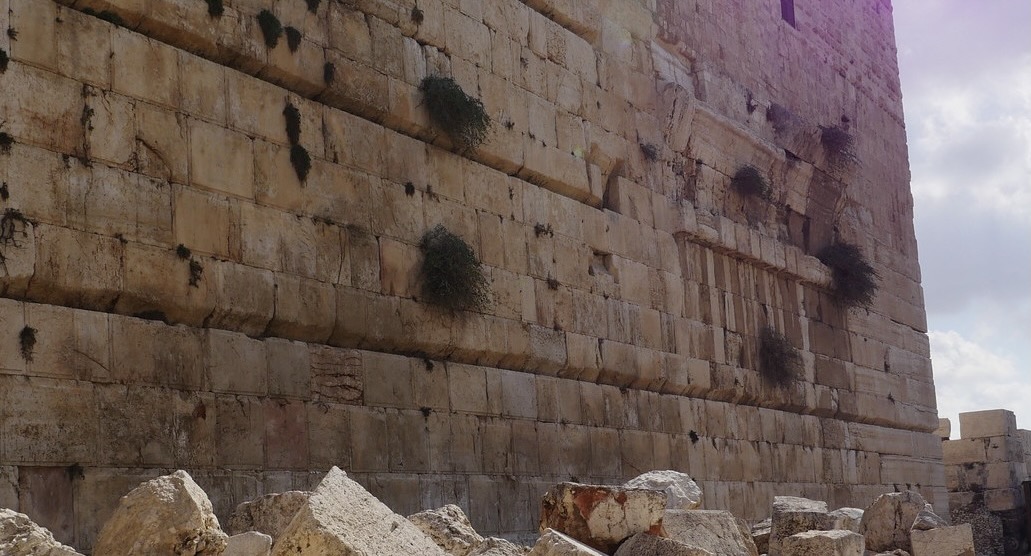
 今回のメッセージでは、ネヘミヤ記を取り上げます。ネヘミヤはエルサレムの苦境に心を動かされ、断食し、泣き悲しんで神に祈りました。その後、ネヘミヤはエルサレムへの旅と使命に出発し、彼は神様への喜びに満ちた信頼によって慰められ(強められ)、エルサレムの壁と門の再建、そして神の民の生活の改革を成し遂げたのです。ネヘミヤは本当に信頼できる祈りの人でした。彼の模範を通して、私たちも彼の戒めの言葉に耳を傾けることを学ぶべきであります:「憂えてはならない。主を喜ぶことはあなたがたの力です」(ネヘミヤ記8章10節)。(本多)
「礼拝映像」「ポッドキャスト」「一日一生」はこちらから。
↓ 今日の「日英礼拝メッセージ原稿」「おもちかえり」はこちらから ↓
Nehemiah: Trustworthy and Prayerful Builder and Reformer
ネヘミヤ:信頼できる祈りの建設者であり改革者
August 10, 2025
The last two Sundays, we looked at Ezra and Esther. 去る2つの日曜日には、エズラとエステルについて見ました。
Today, we will look at Nehemiah who was a contemporary of Ezra. 今日はエズラと同時代の人物であるネヘミヤについて学びます。
If I were to summarize who Nehemiah was, I would describe him as a trustworthy and prayerful person. もしネヘミヤを要約するなら、私は彼を信頼できる、祈りの人と表現するでしょう。
The definition of “Trustworthy” according to the Merriam-Webster Dictionary is “Worthy of confidence: Dependable”. 「信頼できる」という単語の定義は、Merriam-Webster辞書によると「信頼に値する:頼りになる」です。
Some synonyms are: Reliable, responsible, safe, true. 類義語には、信頼できる、責任感がある、安全な、真実という言葉があります。
When you think of a trustworthy person in our world today, who comes to your mind? 現代の社会で信頼できる人物を想像した時、誰が思い浮かびますか?
According to a Forbes Magazine article, though this information is more than 10 years old, フォーブス誌の記事によると、この情報は10年以上前のものですが、
Tom Hanks was considered to be the most trustworthy celebrity according to their Celebrity Trust Index. [https://www.forbes.com/2006/09/25/trust-celebrity-politicians-tech_cx_lr_06trust_0925celeb.html]トム・ハンクスは同誌の「セレブリティ・トラスト・インデックス」において、最も信頼できるセレブリティとされていました。[https://www.forbes.com/2006/09/25/trust-celebrity-politicians-tech_cx_lr_06trust_0925celeb.html]
In that same article, the following was noted: 同記事では、以下の点が指摘されています:
“Unlike politicians, who we actually elect to control our destiny, 「政治家とは異なり、私たちは実際に私たちの運命を左右する政治家を選出する一方で、
Hanks and his Hollywood cohorts are merely there to entertain us. ハンクスと彼のハリウッドの仲間たちは、単に私たちを楽しませるために存在しているに過ぎない。」
But more often than not, these performers—most of whom we only know through the roles they are paid to play—also garner our trust. しかし、多くの場合、これらの俳優たちは、その役柄でしか知らないにもかかわらず、私たちの信頼も獲得しています。
Often we trust actors because of the characters they play on screen. 多くの場合、私たちは、スクリーン上で演じるキャラクターゆえに俳優たちを信頼しています。
Take Hanks. In one film after the next, we find ourselves rooting for him: ハンクスを例にとってみましょう。次々と出演する映画で、私たちは彼を応援しています。
as Andrew Beckett, an AIDS victim in Philadelphia; as Chuck Noland, a lone plane-crash survivor in Cast Away. フィラデルフィアのエイズ患者、アンドルー・ベケット。キャストアウェイの飛行機事故の唯一の生存者、チャック・ノランド。
In doing so, we subconsciously confuse—or even substitute—his onscreen persona for his real-world one, which we know little about.” そうすることで、私たちは無意識のうちに、彼のスクリーン上のキャラクターと、ほとんど知らない現実の彼とを混同し、あるいは置き換えてしまうのです。
The article goes on to say: 記事はさらに次のように述べています:
“The more we’re exposed to something or someone, the more we like and trust it.”「何かや誰かにさらされるほど、私たちはそれを好きになり、信頼するようになる」
Conversely, since we live in a world where our audio and visual senses are assaulted by so much media, 逆に、私たちは視覚や聴覚がメディアの洪水にさらされている世界に住んでいるため、このことは
“A lack of physical beauty in the political realm plays a role” in diminishing politicians’ general likability. 「政治分野における物理的な美の欠如の役割を果たしている」ので、政治家の一般的な好感度が低下する要因となっています。
Because “we generally see politicians attacking each other, leading us to believe they are neither pleasant nor trustworthy characters. なぜなら、「私たちは政治家が互いに攻撃し合う姿を目にするため、彼らが親切でも信頼できる人物でもないと考えるようになるからだ」。
Politicians don’t get the benefit of a second take, either. 政治家もまた、二度目のチャンスを得ることはありません。
Unlike the heavily edited images of Hollywood stars—who are almost always portrayed in the most positive light, both literally and figuratively—politicians don’t get to be edited.” ハリウッドのスターのように、文字通りにも比喩的にも最もポジティブな形で描かれることがほとんどない政治家は、編集される機会がないのです。
As interesting as these things are for us to think about, we are not here to focus on how the world defines a trustworthy person. これらのことは私たちにとって興味深いテーマですが、私たちは世界が信頼できる人物をどう定義するかに焦点を当てるためにここにいるのではありません。
We are here to look at what God defines as a trustworthy person according to His Word. 私たちは、神様の言葉に従って、神様が信頼できる人物をどう定義しているかを考察するためにここにいるのです。
Trustworthiness is a necessary quality for a person who is entrusted with national security. 国家の安全保障を任される人物にとって、信頼性は不可欠な資質です。
It says of Nehemiah that he “was the cupbearer to the king” (Nehemiah 1:11).ネヘミヤはこの時、「王の給仕役でした」(ネヘミヤ記1章11節)。
For a person in power, they want to put people around them that are trustworthy. 権力を持つ者にとって、周囲に信頼できる人物を置くことは重要です。
For a king, his cupbearer had to be someone who was trustworthy. 王にとって、献酌官は信頼できる人物でなければなりませんでした。
In some ways, a cupbearer would not only have to make sure that the king’s food and drink was safe to consume, but would have to be able to not divulge matters that would happen during the king’s mealtimes. ある意味では、献酌官は、王の食事や飲み物が安全であることを確認するだけでなく、王の食事中に起こることを漏らさないことも必要でした。
For it is often at such mealtimes that a king would entertain his own high officials and foreign dignitaries and discuss important matters. なぜなら、王は食事の時に自らの高官や外国の使節を招き、重要な事項を議論することが多かったからです。
In today’s world, Nehemiah would be someone who has “top security clearance”. 現代の世界では、ネヘミヤは「最高機密保持資格」を持つ人物に相当するでしょう。
It was because of Nehemiah’s position as the cupbearer to King Artaxerxes that the king noticed his sadness. このようにネヘミヤはアルタクセルクセス王の献酌官をしていたため、王は彼の悲しみに気づいたのです。
In fact, the cause of Nehemiah’s sadness is how the book of Nehemiah begins. 実際にネヘミヤの悲しみの原因は、ネヘミヤ書の冒頭に記されています。
Nehemiah 1:1-4(ネヘミヤ記1章1節—4節)
1 The words of Nehemiah the son of Hacaliah. Now it happened in the month Chislev, in the twentieth year, while I was in Susa the capitol, 2 that Hanani, one of my brothers, and some men from Judah came; and I asked them concerning the Jews who had escaped and had survived the captivity, and about Jerusalem. 3 They said to me, “The remnant there in the province who survived the captivity are in great distress and reproach, and the wall of Jerusalem is broken down and its gates are burned with fire.” 4 When I heard these words, I sat down and wept and mourned for days; and I was fasting and praying before the God of heaven. 1ハカリヤの子ネヘミヤの言葉。第二十年のキスレウの月に、わたしが首都スサにいた時、2わたしの兄弟のひとりハナニが数人の者と共にユダから来たので、わたしは捕囚を免れて生き残ったユダヤ人の事およびエルサレムの事を尋ねた。3彼らはわたしに言った、「かの州で捕囚を免れて生き残った者は大いなる悩みと、はずかしめのうちにあり、エルサレムの城壁はくずされ、その門は火で焼かれたままであります」と。4わたしはこれらの言葉を聞いた時、すわって泣き、数日のあいだ嘆き悲しみ、断食して天の神の前に祈って、
Although by this time, those who had returned to Jerusalem had rebuilt the temple there, the wall of the city and its gates were still in disrepair. この頃までに、エルサレムに戻った人々はすでに神殿を再建していましたが、都市の壁と門は依然として荒廃したままでした。
Hearing this news from his brother who lived in Jerusalem, caused Nehemiah to weep and mourn for days. エルサレムに住む兄弟からこの知らせを聞いたネヘミヤは、数日間、泣き悲しみました。
This sadness in turn was noticed by King Artaxerxes, which prompted the king to ask Nehemiah: この悲しさはアルタクセルクセス王の目に留まり、王はネヘミヤに尋ねました:
Nehemiah 2:2(ネヘミヤ記2章2節)
“Why is your face sad though you are not sick? This is nothing but sadness of heart.”「あなたは病気でもないのにどうして悲しげな顔をしているのか。何か心に悲しみをもっているにちがいない」。
This caused Nehemiah much fear, but recognizing that he had no choice but to answer the king, said in response: このことはネヘミヤに大きな恐怖心をおこしましたが、王に答えるしかないことを悟り、彼は次のように答えました:
Nehemiah 2:3(ネヘミヤ記2章3節)
“Let the king live forever. Why should my face not be sad when the city, the place of my fathers’ tombs, lies desolate and its gates have been consumed by fire?” 「どうぞ王よ、長生きされますように。わたしの先祖の墳墓の地であるあの町は荒廃し、その門が火で焼かれたままであるのに、どうしてわたしは悲しげな顔をしないでいられましょうか」。
It was because Nehemiah was such a trustworthy servant of his that the king proceeded to ask Nehemiah: “What would you request?” (Nehemiah 2:4)ネヘミヤが王の信頼する忠実な臣下であったため、王はネヘミヤに次のように尋ねました:「それでは、あなたは何を願うのか」(ネヘミヤ記2章4節)
At this point, I think it is important to mention the other wonderful quality that Nehemiah had besides being trustworthy. この時点で、ネヘミヤが信頼できる人物であること以外に、もう一つ素晴らしい特徴について触れておくことが重要だと思います。
It is the fact that he humbly and wholeheartedly trusted in God. それは、彼が神を謙虚に、そして心から信頼していたということです。
We can see this in his prayerfulness in all that he did. このことは、彼がなすことすべてにおいて祈りの姿勢を示していたことからも明らかです。
In fact, various parts of the book of Nehemiah read almost like a prayerful dialogue with God. 実際、ネヘミヤの書の多くの部分は、神との祈りの対話のような内容となっています。
I have already read what Nehemiah had done after he heard news from his brother of the ruined conditions of Jerusalem. ネヘミヤが兄弟からエルサレムの荒廃した状況の知らせを聞いた後、彼が何をしたかは既に述べました。
Nehemiah sat down and wept and mourned for days, and he fasted and prayed to God (Nehemiah 1:4). ネヘミヤは座り込んで泣き悲しみ、数日間断食し、神に祈りました(ネヘミヤ1:4)。
In that prayer before God, Nehemiah interceded for his people, the people of Israel, and requested the Lord to give him favor before King Artaxerxes (Nehemiah 1:5-11). その神への祈りの中で、ネヘミヤはイスラエルの民のためにとりなし、主が彼をアルタクセルクセス王の前に恵みを与えるよう願いました(ネヘミヤ1:5-11)。
We see God answered his prayer by allowing him to share his heart’s concern with the king. 神は彼の祈りに応えて、彼に王の前に心の心配を語ることを許されました。
Once given the opportunity to make an appeal to the king on behalf of the people of Israel, the first thing he did was pray. イスラエルの民の代表として王に請願する機会を与えられた時、彼が最初にやったことは祈ることでした。
And then he made his request made known to the king. そして、彼はその請願の内容を王に伝えました。
Nehemiah 2:4-8(ネヘミヤ記2章4節—8節)
So I prayed to the God of heaven. 5 I said to the king, “If it please the king, and if your servant has found favor before you, send me to Judah, to the city of my fathers’ tombs, that I may rebuild it.” 6 Then the king said to me, the queen sitting beside him, “How long will your journey be, and when will you return?” So it pleased the king to send me, and I gave him a definite time. 7 And I said to the king, “If it please the king, let letters be given me for the governors of the provinces beyond the River, that they may allow me to pass through until I come to Judah, 8 and a letter to Asaph the keeper of the king’s forest, that he may give me timber to make beams for the gates of the fortress which is by the temple, for the wall of the city and for the house to which I will go.” And the king granted them to me because the good hand of my God was on me. わたしは天の神に祈って、5王に申しあげた、「もし王がよしとされ、しもべがあなたの前に恵みを得ますならば、どうかわたしを、ユダにあるわたしの先祖の墳墓の町につかわして、それを再建させてください」。6時に王妃もかたわらに座していたが、王はわたしに言われた、「あなたの旅の期間はどれほどですか。いつごろ帰ってきますか」。こうして王がわたしをつかわすことをよしとされたので、わたしは期間を定めて王に申しあげた。7わたしはまた王に申しあげた、「もし王がよしとされるならば、川向こうの州の知事たちに与える手紙をわたしに賜わり、わたしがユダに行きつくまで、彼らがわたしを通過させるようにしてください。8また王の山林を管理するアサフに与える手紙をも賜わり、神殿に属する城の門を建てるため、また町の石がき、およびわたしの住むべき家を建てるために用いる材木をわたしに与えるようにしてください」。わたしの神がよくわたしを助けられたので、王はわたしの願いを許された。
Here, we see that God had indeed answered Nehemiah’s prayer by giving him favor before King Artaxerxes. ここにおいて、神がネヘミヤの祈りに応えて、彼をアルタクセルクセス王の前に恵みを与えることで答えたことがわかります。
So, Nehemiah goes to Jerusalem with the officers of the army and horsemen that the king sent to go along with him. そこで、ネヘミヤは王が彼と共に送った軍隊の将校たちと騎兵たちと共にエルサレムへ赴きました。
After being back in Jerusalem for three days, Nehemiah went out at night with a few men accompanying him to inspect the wall of Jerusalem and its gates (Nehemiah 2:11-15). エルサレムに戻って3日後、ネヘミヤは数人の従者を連れて夜中にエルサレムの城壁と門を調査するために出かけました(ネヘミヤ2:11-15)。
Having surveyed the extent of the ruined conditions of the wall and its gates, he summoned the priests, the nobles, and the officials, to tell them of his plan. 城壁と門の破壊の程度を調査した後、彼は祭司、貴族、官吏を召集し、自分の計画を告げたのです。
Nehemiah 2:17-20(ネヘミヤ記2章17節—20節)
17 Then I said to them, “You see the bad situation we are in, that Jerusalem is desolate and its gates burned by fire. Come, let us rebuild the wall of Jerusalem so that we will no longer be a reproach.” 18 I told them how the hand of my God had been favorable to me and also about the king’s words which he had spoken to me. Then they said, “Let us arise and build.” So they put their hands to the good work. 19 But when Sanballat the Horonite and Tobiah the Ammonite official, and Geshem the Arab heard it, they mocked us and despised us and said, “What is this thing you are doing? Are you rebelling against the king?” 20 So I answered them and said to them, “The God of heaven will give us success; therefore we His servants will arise and build, but you have no portion, right or memorial in Jerusalem.” 17しかしわたしはついに彼らに言った、「あなたがたの見るとおり、われわれは難局にある。エルサレムは荒廃し、その門は火に焼かれた。さあ、われわれは再び世のはずかしめをうけることのないように、エルサレムの城壁を築こう」。18そして、わたしの神がよくわたしを助けられたことを彼らに告げ、また王がわたしに語られた言葉をも告げたので、彼らは「さあ、立ち上がって築こう」と言い、奮い立って、この良きわざに着手しようとした。19ところがホロニびとサンバラテ、アンモンびと奴隷トビヤおよびアラビヤびとガシムがこれを聞いて、われわれをあざけり、われわれを侮って言った、「あなたがたは何をするのか、王に反逆しようとするのか」。20わたしは彼らに答えて言った、「天の神がわれわれを恵まれるので、そのしもべであるわれわれは奮い立って築くのである。しかしあなたがたはエルサレムに何の分もなく、権利もなく、記念もない」。
We see right away that there were those who supported Nehemiah’s plan to rebuild the wall of Jerusalem and its gates, and there were also those who opposed it. ネヘミヤのエルサレムの壁と門の再建計画を支持した人々もいれば、反対した人々もいたことがすぐにわかります。
In chapter 3 of Nehemiah, we see in detail the names of those who helped with the rebuilding of the wall and gates and the precise sections they were responsible for rebuilding (Nehemiah 3:1-32). ネヘミヤの3章では、壁と門の再建に協力した人々の名前と、彼らが再建を担当した具体的な区画が詳細に記されています(ネヘミヤ3:1-32)。
What this shows is that a great undertaking such as this involves a great number of people who share in the same vision in order to accomplish it. これらは、このような大規模な事業を実現するためには、同じビジョンを共有する多くの人が必要であることを示しています。
However, as already mentioned, such a great undertaking is also fraught with many obstacles. しかし、既に述べたように、このような大規模な事業は多くの障害を伴います。
One such obstacle was the opposition that came from the non-Jewish people who lived near and around Jerusalem. その障害の一つが、エルサレム周辺に住む非ユダヤ人からの反対でした。
This first came in the form of ridicule: これは最初に嘲笑の形で現れました:
Nehemiah 4:1-3(ネヘミヤ記4章1節—3節)
1 Now it came about that when Sanballat heard that we were rebuilding the wall, he became furious and very angry and mocked the Jews. 2 He spoke in the presence of his brothers and the wealthy men of Samaria and said, “What are these feeble Jews doing? Are they going to restore it for themselves? Can they offer sacrifices? Can they finish in a day? Can they revive the stones from the dusty rubble even the burned ones?” 3 Now Tobiah the Ammonite was near him and he said, “Even what they are building—if a fox should jump on it, he would break their stone wall down!” 1サンバラテはわれわれが城壁を築くのを聞いて怒り、大いに憤ってユダヤ人をあざけった。2彼はその兄弟たちおよびサマリヤの兵隊の前で語って言った、「この弱々しいユダヤ人は何をしているのか。自分で再興しようとするのか。犠牲をささげようとするのか。一日で事を終えようとするのか。塵塚の中の石はすでに焼けているのに、これを取りだして生かそうとするのか」。3またアンモンびとトビヤは、彼のかたわらにいて言った、「そうだ、彼らの築いている城壁は、きつね一匹が上ってもくずれるであろう」と。
Once again, we see Nehemiah’s humble and prompt response to such opposition by turning to God in prayer. 再び、ネヘミヤは反対に直面した際、神に祈り求めることで、謙虚で迅速な対応を示しました。
Nehemiah 4:4-5(ネヘミヤ記4章4節—5節)
4 Hear, O our God, how we are despised! Return their reproach on their own heads and give them up for plunder in a land of captivity. 5 Do not forgive their iniquity and let not their sin be blotted out before You, for they have demoralized the builders. 4「われわれの神よ、聞いてください。われわれは侮られています。彼らのはずかしめを彼らのこうべに返し、彼らを捕囚の地でぶんどり物にしてください。5彼らのとがをおおわず、彼らの罪をみ前から消し去らないでください。彼らは築き建てる者の前であなたを怒らせたからです」。
Nehemiah truly understood who he could turn to when things got rough and he felt overwhelmed. ネヘミヤは、困難に直面し、圧倒されそうになった時、誰に頼ればよいのかということを本当に理解していました。
He must have thought of God’s words of promise given through Moses, 彼は、モーセを通じて与えられた神の約束の言葉を思い出したに違いありません。
another leader of the Jews who had come out of captivity. モーセは、捕囚から解放されたユダヤ人のもう一人の指導者でした。
Deuteronomy 32:36(申命記32章36節)
“For the Lord will vindicate His people, and will have compassion on His servants, when He sees that their strength is gone, and there is none remaining, bond or free.” 主はついにその民をさばき、そのしもべらにあわれみを加えられるであろう。これは彼らの力がうせ去り、つながれた者もつながれない者も、もはやいなくなったのを、主が見られるからである。
Rather than seeking to give in to the enemy’s ridicule by getting into a battle of words, Nehemiah humbly entrusted the matter into God’s hands. ネヘミヤは、敵の嘲笑に屈して言葉の戦いに巻き込まれることを避け、謙虚にその問題を神の手に委ねました。
God’s answer to Nehemiah’s prayer can be seen in the following verse: ネヘミヤの祈りに対する神の答えは、次の節に示されています:
Nehemiah 4:6(ネヘミヤ記4章6節)
So we built the wall and the whole wall was joined together to half its height, for the people had a mind to work. こうしてわれわれは城壁を築いたが、石がきはみな相連なって、その高さの半ばにまで達した。民が心をこめて働いたからである。
However, this made their enemies even more angry, for these enemies conspired together to come and fight against Jerusalem and to cause a disturbance in it (Nehemiah 4:7-8). しかし、これによって彼らの敵はさらに怒りを募らせ、これらの敵は共謀してエルサレムに攻め込み、混乱を引き起こすために集まりました(ネヘミヤ4:7-8)。
What was the response of Nehemiah and those who were rebuilding the walls and gates? ネヘミヤと壁と門の再建に従事していた人々は、これに対してどのように対応したのでしょうか?
Nehemiah 4:9(ネヘミヤ記4章9節)
But we prayed to our God, and because of them we set up a guard against them day and night. そこでわれわれは神に祈り、また日夜見張りを置いて彼らに備えた。
Yes, their response was to pray to God. そうです、彼らの対応は神に祈ることでした。
Notice also that they not only prayed to God but acted to address the problem that was at hand. また、彼らは神に祈るだけでなく、目の前の問題に対処するために行動を起こした点にも注目してください。
It is noted after this that threats of the enemy of an attack on the lower parts of the walls caused some of the wall builders to fear. その後、敵の攻撃が城壁の低い部分を狙っているという脅威が、一部の城壁建設者を恐怖に陥れたことが記録されています。
In response to this, Nehemiah rose up and spoke to these wall builders: これに対し、ネヘミヤは立ち上がり、これらの城壁建設者たちに語りかけました:
Nehemiah 4:14(ネヘミヤ記4章14節)
“Do not be afraid of them; remember the Lord who is great and awesome, and fight for your brothers, your sons, your daughters, your wives and your houses.”「あなたがたは彼らを恐れてはならない。大いなる恐るべき主を覚え、あなたがたの兄弟、むすこ、娘、妻および家のために戦いなさい」。
Thus, God frustrated the enemy’s plan, and all of the wall builders returned each one to his work. このようにして、神様は敵の計画を挫き、すべての城壁の建設者はそれぞれ自分の仕事に戻ったのです。
From then on, those who worked on rebuilding the wall, each worked with one hand and the other holding a weapon. その後、城壁の再建に従事する者たちは、片手で作業をし、もう一方の手には武器を握りしめて働きました。
They also were ready to rally to whatever place they heard the sound of the trumpet, in order to thwart any attack. 彼らはまた、トランペットの音を聞いた場所へ急行し、いかなる攻撃も阻止するため、常に準備を整えていました。
Furthermore, the enemies of the Jews who opposed the rebuilding of the wall of Jerusalem, tried to malign Nehemiah’s character through trickery. さらに、エルサレムの城壁の再建に反対するユダヤ人の敵は、ネヘミヤの人格を誹謗中傷する策略を企てました。
However, each time, Nehemiah prayed to God and sought His protection and guidance. しかし、ネヘミヤは毎回、神に祈り、その保護と導きを求めた。
Nehemiah 6:9(ネヘミヤ記6章9節)
For all of them were trying to frighten us, thinking, “They will become discouraged with the work and it will not be done.” But now, O God, strengthen my hands. 彼らはみな「彼らの手が弱って工事をやめるようになれば、工事は成就しないだろう」と考えて、われわれをおどそうとしたのである。しかし神よ、どうぞいまわたしの手を強めてください。
Nehemiah 6:14(ネヘミヤ記6章14節)
Remember, O my God, Tobiah and Sanballat according to these works of theirs, and also Noadiah the prophetess and the rest of the prophets who were trying to frighten me. わが神よ、トビヤ、サンバラテおよび女預言者ノアデヤならびにその他の預言者など、すべてわたしを恐れさせようとする者たちをおぼえて、彼らが行ったこれらのわざに報いてください。
Thus, with God’s protection and the diligent work of Nehemiah and those who worked on rebuilding the wall of Jerusalem and its gates, このように、神の保護とネヘミヤおよびエルサレムの壁と門の再建に尽力した人々の熱心な働きにより、
they were able to complete the work in fifty-two days (Nehemiah 6:15). 彼らは52日でその作業を完了することができました(ネヘミヤ6:15)。
Do you know how hard it is to get a group of fearful people to work together in unity あなたは、恐怖に駆られた人々を団結させて、
and to complete a large project such as rebuilding the wall of a city such as Jerusalem? エルサレムのような都市の壁の再建のような大規模なプロジェクトを完成させるのが、どれほど困難なことかご存知ですか?
And to do it in less than a couple of months in the midst of much opposition from within and without your own community! しかも、自分たちのコミュニティ内からも外からも激しい反対に直面しながら、数ヶ月足らずでそれを成し遂げるのです!
Thus, the rightful result of the completion of this large project is summarized for us in the following words. したがって、この大規模なプロジェクトの完成の正当な結果は、以下の言葉で要約されています。
Nehemiah 6:16(ネヘミヤ記6章16節)
When all our enemies heard of it, and all the nations surrounding us saw it, they lost their confidence; for they recognized that this work had been accomplished with the help of our God. われわれの敵が皆これを聞いた時、われわれの周囲の異邦人はみな恐れ、大いに面目を失った。彼らはこの工事が、われわれの神の助けによって成就したことを悟ったからである。
So, we see that Nehemiah was a trustworthy and prayerful builder. このようにネヘミヤは信頼できる祈りの人であり、建設者であったことがわかります。
He was a reliable and faithful project leader who led his crew to rebuild the walls of Jerusalem and its gates in record time! 彼は信頼できる忠実なプロジェクトリーダーとして、エルサレムの壁と門を驚異的な速さで再建するために、そのチームを率いました!
He did so by humbly seeking God in prayer and wholeheartedly trusting in God’s providence. 彼は謙虚に祈りながら神に求め、神の御手配に心から信頼することで、その業を成し遂げました。
Nehemiah was also a trustworthy and prayerful reformer. ネヘミヤはまた、信頼できる祈りの人であり、改革者でした。
He was instrumental along with Ezra the priest and scribe in bringing about spiritual reformation to the people of Israel. 彼は祭司で書記のエズラと共に、イスラエルの民に霊的な改革をもたらすのに重要な役割を果たしました。
In chapter 5 of Nehemiah, we see how Nehemiah confronted the Jewish nobles and rulers who were exacting usury (exorbitant interest) from their own people. ネヘミヤの5章では、ネヘミヤが自分の民から高利貸し(過大な利息)を徴収していたユダヤの貴族と支配者たちに立ち向かった様子が描かれています。
He instructed them to give back to those who they exacted usury from, and they did. 彼は、彼らが高利を取った人々から返すように命じ、彼らはその通りにしました。
And because of this, all the people praised the Lord. このため、すべての民は主を賛美しました。
Furthermore, Nehemiah was appointed to be their governor in the land of Judah. さらに、ネヘミヤはユダの地で彼らの総督に任命されました。
But unlike the governors that preceded him, he did not lay burdens on the people because of his fear of God. しかし、彼の前任の総督たちとは異なり、彼は神を畏れるため、民に重荷を課さなかったのです。
Not only did he personally get involved with the rebuilding of the wall, 彼は壁の再建に自ら積極的に関与しただけでなく、
but he also cared for all those who worked for him and 150 Jews and officials who ate at his table. 彼に仕えるすべての人々、そして彼の食卓で食事をした150人のユダヤ人と官吏たちをも世話しました。
In chapter 8 of Nehemiah, we see how Nehemiah along with Ezra instructed the people according to the book of the law of Moses which the Lord had given to Israel. ネヘミヤの8章では、ネヘミヤがエズラと共に、主がイスラエルに与えたモーセの律法の書に従って人々を指導した様子が記されています。
Of particular note is that this was done before the assembly of men, women and all who could listen with understanding (Nehemiah 8:2). 特に注目すべきは、このことが、男女の会衆およびすべて聞いて悟ることのできる人々の前(ネヘミヤ記8章2節)で行われたことであります。
As Ezra read the book of the law of Moses, certain designated Levites explained the law to the people so that they understood the reading (Nehemiah 8:7-8). エズラがモーセの律法の書を読み上げた時、指定されたレビ人たちが民に律法を説明し、彼らが読み上げられた内容を理解できるようにしました(ネヘミヤ8:7-8)。
The result of hearing and understanding God’s word by the people is recorded for us in the following way. 民が神の言葉を聞き、理解した結果が、次のように記録されています。
Nehemiah 8:9-12(ネヘミヤ記8章9節—12節)
9 Then Nehemiah, who was the governor, and Ezra the priest and scribe, and the Levites who taught the people said to all the people, “This day is holy to the Lord your God; do not mourn or weep.” For all the people were weeping when they heard the words of the law. 10 Then he said to them, “Go, eat of the fat, drink of the sweet, and send portions to him who has nothing prepared; for this day is holy to our Lord. Do not be grieved, for the joy of the Lord is your strength.” 11 So the Levites calmed all the people, saying, “Be still, for the day is holy; do not be grieved.” 12 All the people went away to eat, to drink, to send portions and to celebrate a great festival, because they understood the words which had been made known to them. 9総督であるネヘミヤと、祭司であり、学者であるエズラと、民を教えるレビびとたちはすべての民に向かって「この日はあなたがたの神、主の聖なる日です。嘆いたり、泣いたりしてはならない」と言った。すべての民が律法の言葉を聞いて泣いたからである。10そして彼らに言った、「あなたがたは去って、肥えたものを食べ、甘いものを飲みなさい。その備えのないものには分けてやりなさい。この日はわれわれの主の聖なる日です。憂えてはならない。主を喜ぶことはあなたがたの力です」。11レビびともまたすべての民を静めて、「泣くことをやめなさい。この日は聖なる日です。憂えてはならない」と言った。12すべての民は去って食い飲みし、また分け与えて、大いに喜んだ。これは彼らが読み聞かされた言葉を悟ったからである。
Thereafter, the people celebrated the Feast of Booths (Tabernacles) by living in temporary shelters or booths. その後、人々は仮小屋やテントで生活する「仮庵の祭り(タブナクル)」を祝いました。
This was a Jewish festival that commemorates the Israelites’ journey through the desert after their exodus from Egypt, serving as a reminder of their dependence on God. これは、イスラエルの民がエジプトからの脱出後、荒野を旅した出来事を記念するユダヤ教の祭りで、神への依存を想起させるものでした。
It was observed for seven days, emphasizing that God dwells among His people, and that He continues to be present in their lives. この祭りは7日間行われ、神が民の間に住まわれること、そして神が彼らの生活の中に今も存在し続けていることを強調するものでした。
It is noted in Nehemiah 8:17 that ネヘミヤ記8章17節には次のように記されています。
“The sons of Israel had indeed not done so from the days of Joshua the son of Nun to that day. And there was great rejoicing.”「ヌンの子ヨシュアの日からこの日まで、イスラエルの人々はこのように行ったことがなかった。それでその喜びは非常に大きかった」。
Furthermore, in chapter 9 of Nehemiah, we see that as the people gathered to hear the reading of the book of the law of the Lord their God, さらに、ネヘミヤ書9章では、民が主なる神様の律法の書の朗読を聞くために集まった際、
they assembled with fasting, in sackcloth and with dirt upon them. 断食し、粗布をまとって土をかぶり集まったことが記されています。
They did so in order to confess their sins and the iniquities of their fathers. 彼らは、自分たちの罪と先祖の悪行を告白するため、そうしました。
Thus, the history of the Israelites from their time in Egypt all the way to how they were exiled was recounted through the reading before the assembly of people gathered. このように、イスラエルの民がエジプトにいた時代から、彼らが追放されるまでの歴史が、集まった民の集会で朗読を通じて語られました。
They ended the reading with an appeal to God’s great compassion and His lovingkindness with the following resolve: 彼らは、神の大きな慈しみと愛の恵みに訴え、次のような決意をもって朗読を締めくくりました:
Nehemiah 9:38(ネヘミヤ記9章38節)
“Now because of all this we are making an agreement in writing; and on the sealed document are the names of our leaders, our Levites and our priests.” このもろもろの事のためにわれわれは堅い契約を結んで、これを記録し、われわれのつかさたち、レビびとたち祭司たちはこれに印を押した。
In chapter 10 of Nehemiah, we see the names of those who signed the sealed document (Nehemiah 10:1-27). ネヘミヤ書10章では、封印された文書に署名した人々の名前が記されています(ネヘミヤ10:1-27)。
The rest of the chapter spelled out the obligations of the document, which included:その章の残りの部分では、文書の義務内容が詳細に定められており、具体的には以下の通りです:
- Taking on themselves a curse and an oath to walk in God’s law, which was given through Moses, . . . and to keep and to observe all the commandments of Godモーセによって授けられた神の律法に歩み、主の全ての戒めと、おきてと、定めとを守り行うために、のろいと誓いとに加わった。
- Placing themselves under obligation to contribute yearly one third of a shekel for the service of the house of God . . . and to give to all the work of the house of God神の宮の用のために年々シケルの三分の一を拠出し、...神の宮の全てのはたらのために捧げるように規定を設けた。
- Providing what is necessary for the priests, the Levites and the people so that they might bring it to the house of God . . . promising not to neglect the house of God 祭司、レビ人、民のために必要なものを備え、彼らがそれを神の宮に携えられるよう...神の宮をなおざりにしないことを約束した。
Furthermore, in order to repopulate the city of Jerusalem, the people cast lots to bring one out of ten to live in Jerusalem, さらに、エルサレムの都市を再定住させるため、人々はくじを引いて10人に一人をエルサレムに住まわせ、
while nine-tenths remained in the other cities (Nehemiah 11:1). 残りの9人は他の都市に残りました(ネヘミヤ11:1)。
In chapter 12 of Nehemiah, we see how the procedures for the Temple were instituted by Nehemiah. ネヘミヤ書12章では、ネヘミヤが神殿を確立する手続きが記されています。
In chapter 13 of Nehemiah, the final chapter of the book, we see further reforms that were made by Nehemiah. ネヘミヤ書13章、すなわち本書の最終章では、ネヘミヤが行ったさらなる改革が記述されています。
Foreigners were excluded from Israel (Nehemiah 13:1-3), Tobiah was expelled and the temple cleansed of his stuff (Nehemiah 13:4-9), 外国人(ネヘミヤ13:1-3)はイスラエルから排除され、トビアは追放され、神殿から彼の所有物が清められ(ネヘミヤ13:4-9)、
tithes to be given to the Levites were restored (Nehemiah 13:10-13), レビ人への十分の一税が回復され(ネヘミヤ13:10-13)、
Sabbath was restored in Jerusalem by closing the gates to the city on the Sabbath (Nehemiah 13:15-22), 安息日がエルサレムで回復され、安息日に都市の門が閉鎖され(ネヘミヤ13:15-22)、
and mixed marriages were forbidden (Nehemiah 13:23-28). そして異民族との結婚が禁止されました(ネヘミヤ13:23-28)。
I believe the trustworthiness of Nehemiah can be clearly seen in his work as a reformer in that his one desire was to be faithful to God. ネヘミヤの信頼性は、改革者としての彼の働きにおいて明確に示されています。なぜなら、彼の唯一の願いは神に忠実であることだったからです。
Thus, even in this last chapter of Nehemiah, we see that in bringing about these various reforms, したがって、ネヘミヤの最後の章においても、これらの様々な改革を推進する中で
his number one appeal was to God to remember him and what he did for God. 、彼の最も重要な訴えは、神に自分を、また神のために彼がしたことを覚えていただくことでした。
After he reinstituted the tithes to be given to the Levites. レビ人に捧げる十分の一税を再導入した後。
Nehemiah 13:14(ネヘミヤ記13章14節)
Remember me for this, O my God, and do not blot out my loyal deeds which I have performed for the house of my God and its services. わが神よ、この事のためにわたしを覚えてください。わが神の宮とその勤めのためにわたしが行った良きわざをぬぐい去らないでください。
After he restored the Sabbath. 彼が安息日を回復した後。
Nehemiah 13:22(ネヘミヤ記13章22節)
And I commanded the Levites that they should purify themselves and come as gatekeepers to sanctify the sabbath day. For this also remember me, O my God, and have compassion on me according to the greatness of Your lovingkindness. わたしはまたレビびとに命じて、その身を清めさせ、来て門を守らせて、安息日を聖別した。わが神よ、わたしのためにまた、このことを覚え、あなたの大いなるいつくしみをもって、わたしをあわれんでください。
After he forbade the practice of mixed marriages between Jews and those who did not believe and worship God. 彼が、ユダヤ人と神を信じず崇拝しない者との間の混血結婚を禁じた後。
Nehemiah 13:29(ネヘミヤ記13章29節)
Remember them, O my God, because they have defiled the priesthood and the covenant of the priesthood and the Levites. わが神よ、彼らのことを覚えてください。彼らは祭司の職を汚し、また祭司およびレビびとの契約を汚しました。
And finally, the book of Nehemiah ends with these following verses: そして最後に、ネヘミヤの書は次の節で終わります:
Nehemiah 13:30-31(ネヘミヤ記13章30節—31節)
30 Thus I purified them from everything foreign and appointed duties for the priests and the Levites, each in his task, 31 and I arranged for the supply of wood at appointed times and for the first fruits. Remember me, O my God, for good. 30このように、わたしは彼らを清めて、異邦のものをことごとく捨てさせ、祭司およびレビびとの務を定めて、おのおのそのわざにつかせた。31また定められた時に、たきぎの供え物をささげさせ、また初物をささげさせた。わが神よ、わたしを覚え、わたしをお恵みください。
Indeed, I think Nehemiah was remembered by God for good. 確かに、ネヘミヤは神によって善き者として記憶されたと思います。
But that goodness, or more specifically righteousness, was given to him by God because of his faith in God. しかし、その善さ、より正確にはその義は、彼の神への信仰によって神から与えられたものです。
This is a truth that we find throughout the Bible. これは聖書全体に貫かれる真理です。
It is brought into clear view beginning with Abraham, who is called the father of faith. この真理は、信仰の父と呼ばれるアブラハムから始まり、明確に示されています。
When Abraham was about 85 years old and without a child, he was promised by God that he would be given descendants as numerous as the stars in the heavens. アブラハム85歳頃、子供がいなかった時、神は彼に、天の星のように数えきれないほどの子孫が与えられると約束されました。
Abraham’s response to God’s promise is recorded for us in this manner: アブラハムが神の約束に対して示した反応は、次のように記録されています:
Genesis 15:6(創世記15章6節)
Then he believed in the Lord; and He reckoned it to him as righteousness. アブラムは主を信じた。主はこれを彼の義と認められた。
And it is based on this truth that we proclaim the gospel of Jesus Christ. この真実に基づいて、私たちはイエス・キリストの福音宣教を宣言しています。
This was the apostle Paul’s conviction in proclaiming the gospel. これが、使徒パウロが福音宣教を宣言する際の確信でした。
Romans 1:16-17(ローマ書1章16節—17節)
16 For I am not ashamed of the gospel, for it is the power of God for salvation to everyone who believes, to the Jew first and also to the Greek. 17 For in it the righteousness of God is revealed from faith to faith; as it is written, “But the righteous man shall live by faith.” 16わたしは福音を恥としない。それは、ユダヤ人をはじめ、ギリシヤ人にも、すべて信じる者に、救を得させる神の力である。17神の義は、その福音の中に啓示され、信仰に始まり信仰に至らせる。これは、「信仰による義人は生きる」と書いてあるとおりである。
For us today, we may not be able to appeal to God as Nehemiah did by saying, “Remember me, O my God, for good” based on what good we have done. 今日、私たちはネヘミヤが「私の神よ、私の善行ゆえに私を覚えてください」と神に訴えたように、自分たちの行いに基づいて神に訴えることはできないかもしれません。
However, we can appeal to God to remember us for good based on the righteousness that is bestowed upon us because of our faith in His Son Jesus Christ. しかし、私たちは、イエス・キリストへの信仰によって与えられた義に基づいて、神に「私たちのために良いことを覚えてください」と訴えることができます。
We know this to be true because of the power of God for salvation to everyone who believes in Him. 私たちは、神が信じる者すべてに救いの力を与えられることゆえに、このことが真実であることを知っています。
This incredible work is described by the apostle Paul in the following manner. この驚くべき業は、使徒パウロによって次のように説明されています。
2 Corinthians 5:21(第二コリント5章21節)
He made Him who knew no sin to be sin on our behalf, so that we might become the righteousness of God in Him. 神はわたしたちの罪のために、罪を知らないかたを罪とされた。それは、わたしたちが、彼にあって神の義となるためなのである。
Thus, we are made righteous before God because His Son Jesus who was without sin has taken our sin upon Himself in going to the cross to die for us. したがって、私たちは神の前で義と認められるのは、罪のない御子イエスが私たちの罪を自ら負い、私たちのために十字架で死なれたからです。
Trustworthiness and prayerfulness are important qualities for all of us to have. 信頼性と祈りの深さは、私たち全員が持つべき重要な資質です。
However, to truly be trustworthy, we must believe in and rely on the One who alone is truly trustworthy. しかし、真に信頼できる者となるためには、唯一真に信頼できる方への信仰と依存が必要です。
God alone is truly trustworthy, and He deserves our utmost trust. 神だけが真に信頼できる方であり、私たちはその神に最大の信頼を置くべきです。
Thus, we can depend and rely on Him and entrust to Him are all. こうして私たちは神に頼り、神に全てを委ねることができます。
That is what faith in His Son Jesus Christ is all about. それが、イエス・キリストへの信仰の全てです。
As those who are made righteous through faith in Jesus Christ, we can then become trustworthy people who live according to the truth of God. イエス・キリストへの信仰によって義とされた者として、私たちは神の真理に従って生きる信頼できる人となることができます。
And we can do so only as we prayerfully depend upon God in all that we do. そして、私たちは、行うすべてのことに神に祈りながら頼り続けることで、初めてそうすることができるのです。
Nehemiah is a great example for us of a trustworthy and prayerful person. ネヘミヤは、信頼できる祈りの人として、私たちにとって、素晴らしい模範です。
And as he declared to the people assembled to hear God’s word on that day long ago, his words still bring encouragement to us today: そして、彼があの日、神の言葉を聞くために集まった人々に対して宣言した言葉は、今日でも私たちに励ましをもたらしています:
“Do not be grieved, for the joy of the Lord is your strength.” (Nehemiah 8:10) 「主を喜ぶことはあなたがたの力です」。(ネヘミヤ記8章10節)
Nehemiah had set out on a journey and mission to Jerusalem because he was saddened by the broken wall and the gates that surrounded the city. ネヘミヤは、都市を囲む壊れた壁と門の光景に心を痛め、エルサレムへの旅と使命に出発しました。
But he was comforted (strengthened) by God as he joyfully trusted in the Lord しかし、彼は神様への喜びに満ちた信頼によって慰められ(強められ)、
to rebuild the wall and gates of Jerusalem and reform the lives of God’s people. エルサレムの壁と門の再建、そして神の民の生活の改革を成し遂げたのです。
Let us learn from Nehemiah’s example. ネヘミヤの例から学びましょう。
But most importantly, let us place our faith in Jesus Christ, the Son of God, who is truly worthy of our trust. しかし最も重要なことは、私たちの信頼に値する真の神の御子、イエス・キリストに信仰を置くことです。
It is upon Him that we want to build our lives and have Him repair the areas in our lives that are broken. 私たちは、人生を彼の上に築き、人生の壊れた部分を彼に修復していただきたいと願っています。
It is through Him that we desire to be reformed, 私たちは、彼を通して改革されることを望んでいます。
so that our lives will be truly aligned rightly with God’s will and purpose for our lives. そうすることで、私たちの生活が、神が私たちに与えられた意志と目的と真に一致した状態になるためです。
Indeed, the joy of the Lord is our strength! 確かに、主を喜ぶことが私たちの力なのです!
Let us pray. お祈りしましょう。
本日のおもちかえり
メッセージの中で参照した聖句:創世記15章6節、申命記32章36節、 ネヘミヤ記(全書)、ローマ書1章16節—17節、第二コリント5章21節
1)現代の社会で信頼できる人物を想像した時、誰が思い浮かびますか? その人は、なぜ信頼で きるのでしょうか? あなたは自分自身のことを信頼できる人だと思いますか?
2)ネヘミヤ記1章と2章を読みましょう。ネヘミヤの信頼がどこに置かれていたかがわかります か? ネヘミヤは彼の周りにいる人々との関係において、信頼できる人であったことがどのよ うにしてわかりますか?
3)ネヘミヤ記4章と6章を読みましょう。ネヘミヤとエルサレムの城壁の修復に関わっていた 人々はどのようにして敵対する者たちによるあざけりと脅しに対抗しましたか? 彼らの大規 模なプロジェクトを完成させる助けと支えとなったのは何だったと思いますか?
4)ネヘミヤ記8章と9章を読みましょう。この聖書箇所から神様の御言葉を聞き、理解すること の大切さと喜びについてどのようなことが教えられますか?「主を喜ぶことはあなたがたの力 です」(ネヘミヤ記8章10節)と言う聖句をあなたは日々の生活の中で経験していますか?
5)創世記15章6節とローマ書1章16節—17節と第二コリント5章21節を読みましょう。 イエス様は完全に信頼できる人です。私たちは救われるためになぜイエス様を信じる必要があ るのでしょうか? 信頼できる祈りの人になるためになぜこれは不可欠なのでしょうか?
