
 今日、私達は「嵐」にあうかもしれません。月曜日、私達は「魚」に飲まれるかもしれません。火曜日、私達は「魚」に吐き出され、神の使命に立つかもしれません。水曜日、私はその使命に疲れ、怒り狂うかもしれません。木曜日、私たちは不貞腐れ、神に食ってかかるかもしれません。金曜日、主は私たちに「とうごま」を与え、ささやかな喜びと励ましをくださるかもしれません。土曜日、そして、主は私達に「虫」を与え、その喜びを取り上げるかもしれません。日曜日、私達はこれらの背後にある神様の「壮大な御心」を知り、神の前にひれ伏すのです。
これから始まる私達の一週間、主は私達が導かれる環境や出来事を通して、私達に語りかけていることを知りましょう。もし、私達がそれを心に留めるのなら、その時に私達は天来の知恵を得ることになるのです。それはこの世が与える知識とは異なります。なぜなら、天来の知恵とは神様が一つの点と一つの点を結び合わせ、それをご自身に通じる一本の線としていてくださることを私達が悟ることだからです。
私はよくこう祈ります「主よ、今日、私が見ること、聞くこと、感じること、その生活の中に起きる出来事を通して私にあなたの御心を語りかけてください。そのことにより、あなたの存在とあなたの偉大さに気がつき、あなたの御名をほめたたえることができますように!」(大倉)
「礼拝映像」「ポッドキャスト」「一日一生」はこちらから。
↓ 今日の「日英礼拝メッセージ原稿」「おもちかえり」はこちらから ↓
ヨナ書:「嵐」「魚」「とうごま」「虫」を通して主は語られる
2025年6月8日
聖書の中にはとても興味深い話が出てきます。その筆頭にくるのがヨナ書でありましょう。「魚に飲まれたヨナ」は子供の絵本になるような話です。多くの人はヨナ書が創作された物語で、ヨナは架空の人間なのだろうと思います。しかし、ヨナは聖書に実際に記録されている人物でありまして、列王記下14章23節から25節にはこう記されています。
列王記下14章23節—25節
『23ユダの王ヨアシの子アマジヤの第十五年に、イスラエルの王ヨアシの子ヤラべアムがサマリヤで王となって四十一年の間、世を治めた。24彼は主の目の前に悪を行い、イスラエルに罪を犯させたネバテの子ヤラベアムの罪を離れなかった。25彼はハマテの入口からアラバの海まで、イスラエルの領域を回復した。イスラエルの神、主がガテヘペルのアミッタイの子である、そのしもべ預言者ヨナによって言われた言葉のとおりである』
この列王記の記録によりますと、そこにはヨナが生きた時代の王の名前とその治世の長さ、ヨナの郷里と父の名前までもが明確に示されています。この記述はヨナが確かに実在した人物だということを示しています。
そして、そのことはヨナ書に記録されている出来事も実際に起きたことなのだということを示しています。ヨナ書の要約をまずお話しましょう。ヨナ書は開口一番、このような言葉で始まります。
ヨナ書1章1節-2節
『1主の言葉がアミッタイの子ヨナに臨んで言った、2「立って、あの大きな町ニネベに行き、これに向かって呼ばわれ。彼らの悪がわたしの前に上ってきたからである」』
ユダヤの民であったヨナは神様から自国イスラエルの敵であるアッシリアの首都ニネベに行って「あなた方の罪のために、この町は滅ぼされる」ということを警告するようにと言われます。言うまでもなくこのアッシリアも歴史上、実在した国でニネベはその首都であったということも史実です。
そして、当時のアッシリアのあったところには今日のイラクがあります。このニネベがあった場所はイスラム過激派集団、「Islamic State:ISIS:」が、かつてその全土を支配していたモスルという町です。このことを考えますと、ヨナ書に書かれていることは、こういうことになります。
今日のユダヤ教のラビがISIS(イスラム国)の拠点となっているイラクのモスルに行きます。そして、そのメインストリートで拡声マイクを使ってイスラム教徒に罪を悔い改めるようにと叫ぶようなことです。このように考えますとヨナが神様から与えられたミッションがどんなものであったかということが分かると思います。おそらくこのような要請に応えるユダヤ教のラビは今日、誰一人いないでしょう。
同様にヨナは、たとえそれが神様からの指名であったとしても、敵国アッシリアに行くのを嫌がり、船に乗って全く反対方向にあるタルシシに向かいます。
しかし『時に主は大風を海の上に起されたので』(ヨナ1章4節)、その船は沈みかけ、船員達の命が危険にさらされます。このことに対して、乗船していた者達はこの嵐はいったい誰のせいかとクジを引きます。そうしましたところ、ヨナにこのクジがあたり、彼は暴風吹き荒れる海に投げいれられます。その海原に投げられたヨナに対して『主は大いなる魚を備えて、ヨナを飲ませられた』(ヨナ1章17節)と聖書は記しています。ヨナは結局、三日三晩、その魚の腹の中にいましたが、神様が魚に命じられ、魚はヨナを海岸に生きたまま吐きだしました。
人間は誰でも「死ぬ」という宿命を負っています。私にもいつか、その日が来ますが、一つだけ切なる願いがあります。それは動物に食べられて死ぬのだけは免れたいということです。熊やライオンにガリガリとかじられながら意識を失い、命が途絶える。蛇に締め付けられ、気を失い、飲まれていく。そんな自分の姿を想像することはあまりにも痛々しく、それだけは免れたいと思います。
ヨナは魚に飲み込まれました。しかし、彼は魚に「かじられた」のではなく「飲まれた」のですから、それは不幸中の幸いとなりました。かじられたとしたら、肉体が損傷し、それが致命傷となりますが、丸のみであるのなら肉体は一応、保たれ、ゆえに肉体に損傷を負うことなく彼は三日三晩、魚の腹の中にいて、最後に陸に吐き出されました。
このようにヨナが三日三晩、魚の腹の中にいるとお話しますと、私達は「ほれみろ、やっぱりヨナ書はおとぎ話だ」と思います。しかし、イエス・キリストはこの古の出来事について、それが実際に起きたことを前提として、こう語っています。
マタイ12章39節-41節
39「邪悪で不義な時代は、しるしを求める。しかし、預言者ヨナのしるしのほかには、なんのしるしも与えられないであろう。40すなわち、ヨナが三日三晩、大魚の腹の中にいたように、人の子も三日三晩、地の中にいるであろう。41ニネベの人々が、今の時代の人々と共にさばきの場に立って、彼らを罪に定めるであろう。なぜなら、ニネベの人々はヨナの宣教によって悔い改めたからである。しかし見よ、ヨナにまさる者がここにいる。
ここでイエス様はヨナが三日三晩、大魚の腹の中にいたように、自分も三日三晩、地の中にいることになるだろうと、ご自身の復活の預言を語っています。
ヨナは大魚の腹の中で「わたしは感謝の声をもって、あなたに犠牲を捧げ、わたしの誓いをはたす。救いは主にある」(ヨナ2章9節)と悔い改めとあらたなる決意を祈りました。 (Jonah 2:9)この彼の心を知った「主は魚にお命じになったので、魚はヨナを陸に吐き出した」(ヨナ2章10節)と聖書は記録しています。
魚から吐き出されたヨナは、当初から神様に示されていたニネベに向かい、言われた通りに「40日を経たらニネベは滅びる」と神様の言葉を人々に取り継ぎました。ヨナは彼の厳しい言葉に対するニネベの人々の反発と、そのことゆえに自分の身に危険がおよぶことを覚悟していたことでしょう。
しかし、状況は彼が想像していたものとは違ったのです。ヨナの警告に彼らは王から僕にいたるまで、皆、断食をして悔い改めたというのです。このことにより神様はニネベを滅ぼさずに彼らを救ったのです。
あぁ、しかし、皆さん、人間の感情というものはとても複雑です。当のヨナはこの結末を不快に感じ、激しく怒り、神様に向かって言います。
ヨナ4章2節—3節
『主よ、わたしがなお国におりました時、この事を申したではありませんか。それでこそわたしは、急いでタルシシにのがれようとしたのです。なぜなら、わたしはあなたが恵み深い神、あわれみあり、怒ることおそく、いつくしみ豊かで、災を思いかえされることを、知っていたからです。3それで主よ、どうぞ今わたしの命をとってください。わたしにとっては、生きるよりも死ぬ方がましだからです』。
主はヨナの怒りに対してこう答えます。
ヨナ4章4節
主は言われた、「あなたの怒るのは、よいことであろうか」。
ヨナとしては敵国には滅びてもらいたい、滅んでもらわなければ困るというような気持ちが内心、あったのでしょう。しかし、彼が告げた言葉により不本意にもニネベの人々は回心してしまった。神のあわれみと恵みが注がれ、彼らは滅びを免れてしまった。そのことにヨナは打ちのめされ、激怒し、途方に暮れたのです。
そんな苦々しい思いを内に秘めながら、彼はニネベの今後を見届けようと町の郊外に小屋を建てます。そのヨナに対して神様はあることをされます。
ヨナ4章6節
『時に主なる神は、ヨナを暑さの苦痛から救うために、とうごまを備えて、それを育て、ヨナの頭の上に日陰を設けた』
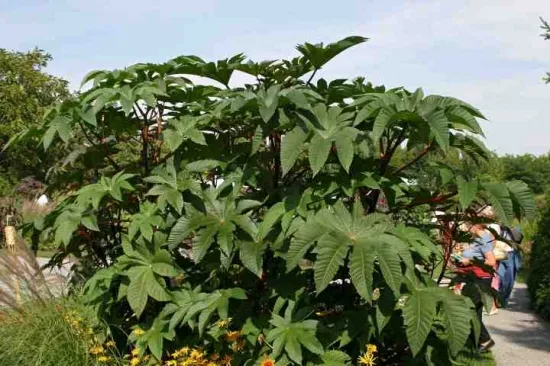 日本語聖書には「とうごま」と、この木を具体的に書いていますが、英語の聖書には「Leafy Plant」と葉のある植物としています。「とうごま」というのはこのような、葉の大きな木のようです。この木の下でヨナは灼熱の日差しを避けることができたのでしょう。ヨナはこの木を非常に喜んだとヨナ書は記していますしかし、主は再び、動きます。
ヨナ4章7節—8節
『7 ところが神は翌日の夜明けに虫を備えて、そのとうごまをかませられたので、それは枯れた。8 やがて太陽が出たとき、神が暑い東風を備え、また太陽がヨナの頭を照したので、ヨナは弱りはて、死ぬことを願って言った、「生きるよりも死ぬ方がわたしにはましだ」。
主はこのヨナの怒りに応え、その神の言葉にヨナは反応します。
ヨナ4章9節
しかし神はヨナに言われた、「とうごまのためにあなたの怒るのはよくない」。ヨナは言った、「わたしは怒りのあまり狂い死にそうです」。
主にある皆さん、ニネベの人々が思いがけなく回心した時、ヨナは怒りました。その彼の怒りに対して主は言われます。
ヨナ4章4節
「あなたの怒るのは、よいことであろうか」。
とうごまを虫が食べてしまった後、ヨナは怒りのあまり狂い死にそうだと言いました。その彼の怒りに対しても主は言われます。
ヨナ4章9節
「とうごまのためにあなたの怒るのはよくない」
今朝、私達は一同、このヨナと神様との古(いにしえ)のやりとりを聞いています。皆さんは今、どんな思いでこのヨナの姿を見ていますか。彼と同じ人間であり、感情をもつ私達はこれから心に怒りを抱くことがあるでしょう。今、心の中が怒りで煮えたくっている人がいるかもしれません。
その時、静かな場所に退き、大きく息を吸い、この主の言葉を自らの心に語りかけようではありませんか。「あなたの怒るのは、よいことであろうか」。「今、あなたが怒っていることは、怒るに値することか」。この主の言葉を自らに問い、省みるのなら、私達は自分と自分の周りにいる人の人生を救うことになるでしょう。
今、この時も自らの抑えきれない怒りにより、大切なものを失いかけている人達が世界にはたくさんいるのです。主にある皆さん、後になって悔いることがないように、自らの心に向き合いましょう。
ヨナ書には神様とヨナとの間に繰り広げられる「会話」がありました。そして、それは会話に止まらず、神様は「出来事」をとおしてヨナに語りかけました。神の言葉に従わずに別方向に向かったヨナが乗った船に対して『時に主は大風を海の上に起されたので』(ヨナ1章4節)、彼の行くては阻まれました。
そして、くじをひいたところ、その原因はヨナだと分かりました。その時、神様は大きな「嵐」をヨナの前に起こしました。その嵐は彼が望んでいる場所に行くことに立ちはだかるものでした。
私達の人生にもこのような嵐があります。そのようなことが起きますと、私達は苛立ち、神様につぶやきます。しかし、今朝、心に留めましょう。時に神様は私達の前に立ちはだかる嵐を起こし、そのことを通して私達に神の御心を示されます。
私の過去を振り返る時、私の願った道が閉ざされたことが何度もありました。正直にお話しなければなりませんが、私もヨナのように不貞腐れたことがありました。怒ったこともありました。しかし、今、それらを振り返り思います。「主よ、感謝します。あの時の嵐により、私は間違った道に進むことから守られました」
今、行く手をはばむ嵐を前にしている方がいるでしょうか。その背後にいる神の御心を知ろうと努める人はさいわいです。
ヨナは海に投げられ、主がまたあることをなさいます。
『主は大いなる魚を備えて、ヨナを飲ませられた』(ヨナ1章17節)
その時、主は大きな魚を備えました。魚の腹の中という全く想定外の場所でヨナはなぜ、自分がその闇の中にいるのかを考ました。
人生の中で魚に飲まれることを想定している人はいないと思います。しかし、人生には願っていないような状況に一人、置かれることがあります。
その時、ヨナには魚に飲まれたということに対して心当たりがありました。俺はタルシシに向かおうとしていた。しかし、神は嵐をおこし、俺は今、真っ暗な魚の腹の中にいる。その時、彼はその暗闇の中で一人、自らを省みて、悔い改めました。
神様は魚の腹の中でヨナにチャンスを与えたのです。主にある皆さん、一人、自らを顧みるような状況に置かれる時、その時を主と向き合う時間として受け止めましょう。
神様は私達を思いがけない所に導き、そこで自らの心に問いかけるチャンスを私達に与えてくださるのです。そのことに気がつき、神の御顔を仰ぎ、それまでの生き方を改めて、方向を改めて、神に向かって人生を歩み始める人はさいわいです。
魚に吐き出されたヨナはかつて背を向けたニネベに向かいます。そしてニネベの人々に悔い改めを迫ったところ、なんと彼らは断食をし、皆が悔い改め、彼らは滅びから免れたのです。ヨナはこのニネベの人達の回心を見て非常に不快に思いました。
人間の心は複雑です。「口では悔い改めよ」と叫びながら、内心はそのことを願っていない。皆さん、ヨナの心を私たちは持っていないでしょうか。口では慰めの言葉を語りながらも、内心は「もう少し頭を冷やせ」と思うことはないでしょうか。
ニネベが滅びを免れたことに、ヨナは不貞腐れて、これからの動向を見極めようと小屋を建てます。そんなヨナに対して主は、またもやはたらきかけます。その時、主はとうごまの木をヨナのために生えさせました。
ヨナ4章6節
『時に主なる神は、ヨナを暑さの苦痛から救うために、とうごまを備えて、それを育て、ヨナの頭の上に日陰を設けた』ヨナはこのとうごまを非常に喜んだ。
ヨナはそれを子供のように喜びます。ヨナは神様に悪態をついていたのですが、一本のとうごまで気持ちが持ち直します。時に神様は私達の生活の中に「とうごま」を与えてくれます。それはささやかな喜びであり、楽しみであり、希望です。
もしかしたらそれは忙しい一日を終えた夕暮れの気持ちのいい夜風かもしれません。友人からお土産としていただいた、一杯のおいしい紅茶かもしれません。子供がくれる、あなたを描いた手書きの絵かもしれません。
神様は「とうごま」によってヨナを励まし、彼の心を支えました。神様は私達にも現代の「とうごま」を日々、与えてくださっています。私達は主がくださる日々の無数の「とうごま」によって支えられているのです。神様が与えてくださった「とうごま」を、私達は楽しみましょう。それは主が与えてくださったのだと気がつき、主に感謝する人は何とさいわいな人でしょうか。しかし、「とうごま」の後に神様は思いがけないことをなされます。
ヨナ4章7節—8節
『7神は翌日の夜明けに虫を備えて、そのとうごまをかませられたので、それは枯れた。8やがて太陽が出たとき、神が暑い東風を備え、また太陽がヨナの頭を照した』。
ヨナが喜ぶとうごまを生えさせたのは主。夜明け前に虫を備え、一夜にしてとうごまを枯らせたのも主。そして暑い東風を吹かせ、灼熱の太陽をヨナの上に照らしたのも主でした。
皆さん「とうごま」と「虫」を私達に起きた最近の出来事に置き換えてみてください。そして、それに伴う自分の感情を思い起こしてみましょう。
「とうごま」によりヨナは生きた心地がし、大喜びしました。「虫」が現れるとヨナは再び、「俺の命をとってくれ」と激怒したのです。我々はこのヨナの激しい感情の浮き沈みを笑うことができるでしょうか。月曜日に「ハレルヤ!」と喜び、火曜日に「神様、いい加減にしてください」と嘆くことはないでしょうか。
ヨナには今日で言うところの、アンガープラブレムがあったのでしょう。双極性障害(バイポーラー)を持ち合わせていたのかもしれません。主にある皆さん、私達は誰しもヨナのような浮き沈みを心にもっています。
今朝、私たちは彼の姿から学び、新しい生き方を始めたいと思うのです。神様はヨナの「環境」を用いて彼に語りかけました。主は私達に私達が日々、暮らしている環境を通して語りかけるお方です。
そして、その環境の中で私達が持つ、感情に対して神はみ言葉を語られるのです。私達がそのことを通して神のお心を悟ることを主は期待しておられるのです。神様がヨナに対してなされたように、私達に大切なことに気がつかせるために私達をある出来事に向き合わせることがあることを知りましょう。私達はそのことを通して神の存在を知り、同時に自らの心が照らされ、神の心を知るのです。
主が「とうごま」を生えさせ、「虫」をそこに送ったのはなぜでしょうか?その先に聖書を貫く人類の救済史を語るためです。虫がとうごまを食べることにより、ヨナは怒り狂うのですが、そこに大いなる真理がくだったのです。
ヨナ4章10節—11節
10 主は言われた、「あなたは労せず、育てず、一夜に生じて、一夜に滅びたこのとうごまをさえ、惜しんでいる。11 ましてわたしは十二万あまりの、右左をわきまえない人々と、あまたの家畜とのいるこの大きな町ニネベを、惜しまないでいられようか」。
ヨナ書はこの言葉と共に閉じられます。このヨナ書は旧約聖書に記されています。ですから、これはイエス・キリストが誕生する前の出来事です。
旧約聖書は神とイスラエル民族が紡いでいる歴史を描いています。そして、そこにはイスラエルを通してなされる神の救済史が記されています。そう考えますとイスラエル人以外の、私達のような異邦人は完全に脇役であり、敵であり、神の救済史とは無関係のように思われます。
しかし、一見、イスラエルを中心として世界と他民族を見ているような旧約聖書の中で、このヨナ書は将来につながる驚くべきメッセージを語っているのです。すなわちこのヨナ書の最後の結論の言葉は神の恵みとあわれみはイスラエルだけにではなく全ての人に注がれているということを明らかにしているのです。
そして、その全ての人の中にアメリカ人、韓国人、メキシコ人、そして日本人、全ての人間が含まれるのです。この点においてヨナ書は旧約聖書の中で異色かつ、これから続いていく新約の時代の神の恵みを指し示している驚くべき希望の書なのです。ヨナの置かれた環境で起きたことは、点が並び、一つの線に結び合わされ、聖書中、最も大切な神のメッセージへと導かれているのです。
今日、私達は嵐にあうかもしれません。月曜日、私達は魚に飲まれるかもしれません。火曜日、私達は魚に吐き出され、神の使命に再び、立つかもしれません。水曜日、私達は声高らかに神の救いを叫ぶかもしれません。木曜日、私達は不貞腐れ、神に食ってかかるかもしれません。金曜日、主は私達に「とうごま」を与え、喜びと励ましをくださるかもしれません。土曜日、そして、主は私達に虫を与え、その喜びを取り上げるかもしれません。日曜日、私達はこれらの背後にある神様の壮大な御心を知り、神の前にひれ伏すのです。
これから始まる私達の一週間、主は私達が導かれる環境や出来事を通して、私達に語りかけていることを知りましょう。もし、私達がそれを心に留めるのなら、その時に私達は天来の知恵を得ることになるのです。
それはこの世が与える知識とは異なります。なぜなら、天来の知恵とは神様が一つの点と一つの点を結び合わせ、それをご自身に通じる一本の線としていてくださることを私達が悟ることだからです。
私はよくこう祈ります。皆さんも共に祈りませんか。「主よ、今日、私が見ること、聞くこと、感じること、その生活の中に起きる出来事を通して私にあなたの御心を語りかけてください。そのことにより、あなたの存在とあなたの偉大さに気がつき、あなたの御名をほめたたえることができますように」
お祈りしましょう。
Book of Jonah: The Lord speaks through a “storm,” “fish,” “leafy plant,” and “worm”
June 8 2025
There are some very interesting stories in the Bible. The first of these would be the book of Jonah. “Jonah Swallowed by a Fish” is the kind of story that would make a great children’s picture book. Many people think that the Book of Jonah is a made up story and that Jonah is a fictional person. However, Jonah is an actual biblical figure, as recorded in I Kings 14:23-25.
2 Kings 14:23-25
23 In the fifteenth year of Amaziah son of Joash king of Judah, Jeroboam son of Jehoash king of Israel became king in Samaria, and he reigned forty-one years. 24 He did evil in the eyes of the Lord and did not turn away from any of the sins of Jeroboam son of Nebat, which he had caused Israel to commit. 25 He was the one who restored the boundaries of Israel from Lebo Hamath to the Dead Sea, in accordance with the word of the Lord, the God of Israel, spoken through His servant Jonah son of Amittai, the prophet from Gath Hepher.
According to what is recorded in the book of Kings, it clearly shows the names of the kings during Jonah’s lifetime, the length of their reigns, and even Jonah’s hometown and the name of his father. This description indicates that Jonah was indeed a real person.
And that shows that the events recorded in the Book of Jonah also actually happened. Let me first give you a summary of the book of Jonah. The Book of Jonah opens with these words.
Jonah 1:1-2
1 The word of the Lord came to Jonah son of Amittai: 2 “Go to the great city of Nineveh and preach against it, because its wickedness has come up before Me.”
Jonah, a Jew, is told by God to go to Nineveh, the capital of Assyria, the enemy of his country Israel, to warn them that “this city will be destroyed because of your sins”. Needless to say, it is also a historical fact that this Assyria was a real country in history and Nineveh was its capital.
And where Assyria was then is Iraq today. Nineveh was located in the city of Mosul, where the Islamic State (ISIS) militant group once controlled the entire region. In light of this, this is what is written in the Book of Jonah.
Today’s Jewish rabbi goes to Mosul, Iraq, a stronghold of ISIS (Islamic State). And it is something like using a loudspeaker microphone on that main street to shout at Muslims to repent for their sins. When we think about it in this manner, I think we can see what kind of mission Jonah was given by God. Most likely no Jewish rabbi today would respond to such a request.
Likewise, Jonah does not want to go to the enemy nation of Assyria, even if it is God’s appointment, and takes a boat to Tarshish, which is in the exact opposite direction.
However, “Then the Lord sent a great wind on the sea” (Jonah 1:4), and the ship began to sink, endangering the lives of the sailors. In response to this, those on board drew lots to see who was to blame for the storm. As a result, the lot fell to Jonah, and he was thrown into the stormy sea. To Jonah, who was thrown into the sea, the Bible says, “Now the Lord provided a huge fish to swallow Jonah” (Jonah 1:17). Jonah ended up in the belly of the fish for three days and three nights, but God commanded the fish, and the fish spat Jonah out alive on the shore.
Every human being is destined to “die”. One day, that day will come for me too, but I have one fervent wish. That is, I want to avoid being eaten to death by an animal. Losing consciousness and my life ending while being gnawed to pieces by a bear or lion. A snake tightening around me, fainting, and being swallowed. It is too painful to imagine myself like that, and I would like to be spared that.
Jonah was swallowed by a fish. However, he was not “bitten” by the fish but “swallowed” by it, which turned out to be a blessing in disguise. If he had been bitten, his body would have been damaged, which would have been fatal, but if swallowed whole, his body was protected, so he remained in the fish’s belly for three days and three nights without any physical damage, and finally was spit out onto dry land.
When we tell the story of Jonah being in the belly of the fish for three days and three nights, we think, “See, the book of Jonah is a fairy tale after all”. However, Jesus Christ speaks of this ancient event on the assumption that it actually happened.
Matthew 12:39-41
39 “A wicked and adulterous generation asks for a sign! But none will be given it except the sign of the prophet Jonah. 40 For as Jonah was three days and three nights in the belly of a huge fish, so the Son of Man will be three days and three nights in the heart of the earth. 41 The men of Nineveh will stand up at the judgment with this generation and condemn it; for they repented at the preaching of Jonah, and now something greater than Jonah is here.
Here Jesus is prophesying His own resurrection, saying that just as Jonah was in the belly of the huge fish for three days and three nights, so He Himself will be in the heart of the earth for three days and three nights.
In the belly of the huge fish, Jonah prayed repentantly and with a renewed resolve,と“I will sacrifice to you. What I have vowed I will make good. I will say, ‘Salvation comes from the Lord.’” (Jonah 2:9) The Bible records that knowing this heart of his, “the Lord commanded the fish, and it vomited Jonah onto dry land” (Jonah 2:10).
Spit out of the fish, Jonah went to Nineveh, which God had shown him from the beginning, and just as he had been told, he declared God’s word to the people, “Forty more days and Nineveh will be overthrown.” Jonah would have been prepared for the backlash of the people of Nineveh against his harsh words and the danger to himself because of it.
But the situation was not what he had imagined. In response to Jonah’s warning, everyone from the king down to the servants fasted and repented. By doing this, God saved them instead of destroying Nineveh.
Ah, but you see, people, human emotions are very complex. Jonah is displeased with this outcome and is furious, and says to God:
Jonah 4:2-3
2 “Isn’t this what I said, Lord, when I was still at home? That is what I tried to forestall by fleeing to Tarshish. I knew that you are a gracious and compassionate God, slow to anger and abounding in love, a God who relents from sending calamity. 3 Now, Lord, take away my life, for it is better for me to die than to live.”
The Lord responds to Jonah’s anger in this way:
Jonah 4:4
“Is it right for you to be angry?”
Jonah must have had a feeling in his heart that he wanted his enemies to be destroyed and that he would be in trouble if they were not destroyed. However, the people of Nineveh were unwillingly converted by the words he told them. God’s mercy and grace was poured out, and they escaped destruction. Jonah was devastated, enraged, and at a loss because of that.
With such bitter feelings inside, he builds a shelter on the outskirts of the city to see what the future holds for Nineveh. God does something to such a Jonah.
Jonah 4:6
Then the Lord God provided a leafy plant and made it grow up over Jonah to give shade for his head to ease his discomfort,
The Japanese Bible specifically mentions this tree as “tougoma” while the English Bible refers to it as a “leafy plant”. The “tougoma” looks like a tree with large leaves like this one. Under this tree, Jonah would have been able to avoid the scorching sun. The book of Jonah notes that Jonah was very pleased with this tree. But the Lord moves, again.
Jonah 4:7-8
7 But at dawn the next day God provided a worm, which chewed the plant so that it withered. 8 When the sun rose, God provided a scorching east wind, and the sun blazed on Jonah’s head so that he grew faint. He wanted to die, and said, “It would be better for me to die than to live.”
The Lord responds to this anger of Jonah, and Jonah responds to the word of God.
Jonah 4:9
But God said to Jonah, “Is it right for you to be angry about the plant? “It is,” he said. “And I’m so angry I wish I were dead.”
Dear people in the Lord, when the people of Nineveh unexpectedly had a change of heart, Jonah got angry. To his anger, the Lord says.
Jonah 4:4
“Is it right for you to be angry?”
After the worm ate the leafy plant, Jonah said he was so angry he wish he were dead. Even to this anger of his, the Lord says.
Jonah 4:9
“Is it right for you to be angry about the plant?”
This morning, we are all listening to the ancient exchange between Jonah and God. With what thoughts are you all looking at this Jonah now? We who are human like him, and have feelings, will likely have anger in our hearts from now on. Someone’s mind may be simmering with anger right now.
In such times, let us retreat to a quiet place, take a deep breath, and speak these words of the Lord into our own hearts. “Is it right for you to be angry?” “Is what you are angry about now, worth being angry about?” If we ask ourselves and reflect on these words of the Lord, we will save our own lives and the lives of those around us.
There are many people in the world who are on the verge of losing their precious things due to their uncontrollable anger at this very moment. People in the Lord, let us look at our own hearts so that we will not regret it later.
In the book of Jonah, there was a “conversation” that took place between God and Jonah. And it didn’t stop with the conversation; God spoke to Jonah through “events”. When Jonah disobeyed God’s word and headed in a different direction, his path was blocked because “Then the Lord sent a great wind on the sea” (Jonah 1:4).
Then when lots were cast, it was found that Jonah was the cause of it. At that time, God caused a great “storm” to break out before Jonah. That storm stood in the way of him getting to where he wanted to be.
There are storms like this in our lives. When such things happen, we get frustrated and murmur to God. But let us take heart this morning. Sometimes God creates storms that stand in our way, and through them He shows us His will.
When I look back on my past, there have been many times when the path I wished for was closed to me. I must be honest with you, I have been unfaithful like Jonah. I was angry at times. But now I look back on those times and think. “We thank you, Lord. That storm kept me from going down the wrong path.”
Is there anyone who is now facing a storm that is blocking the way to go? Blessed are those who seek to know the will of God behind it.
Jonah is thrown into the sea, and the Lord does a certain thing again.
“Now the Lord provided a huge fish to swallow Jonah” (Jonah 1:17).
At that time, the Lord provided a huge fish. Jonah wondered why he was in the darkness of the fish’s belly, a completely unexpected place.
I don’t think anyone in life expects to be swallowed by a fish. However, there are times when one is placed in a situation in life that one does not wish for.
At that time, Jonah had a sense in regard to being swallowed by a fish. I was about to head to Tarshish. But God caused a storm, and I am now in the dark belly of a fish. At that moment, alone in that darkness, he reflected on himself and repented.
God gave Jonah a chance in the belly of the fish. People in the Lord, when you are put in a situation where you, alone, have to reflect on yourselves, let us take that moment as a time to look at the Lord.
God leads us to unexpected places and gives us the chance to question our own hearts there. Blessed is the person who realizes this, looks up to the face of God, changes the way they have lived, changes direction, and begins to walk toward God in life.
Spit out by the fish, Jonah turns to Nineveh, which he once turned his back on. And when he pressed the people of Nineveh to repent, to his surprise they fasted, they all repented, and they were spared from destruction. Jonah was very displeased to see this conversion of the people of Nineveh.
The human mind is complex. They cry out “repent with their mouths,” but inwardly they do not wish for that. Dear people, do we not have the heart of Jonah? Do you ever speak words of comfort with your mouth, but inwardly think, “Cool your head a little more”?
Jonah was displeased that Nineveh had escaped destruction and built a shelter to see what will happen in the future. Again, the Lord acts against Jonah. At that time, the Lord made a leafy plant grow for Jonah.
Jonah 4:6
Then the Lord God provided a leafy plant and made it grow up over Jonah to give shade for his head to ease his discomfort, and Jonah was very happy about the plant.
Jonah delights in it like a child. Jonah was swearing at God, but a single leafy plant lifts his spirits. Sometimes God gives us “leafy plants” in our lives. It is a small joy, a pleasure, a hope.
Perhaps it is the pleasant evening breeze at dusk after a busy day. It might be a cup of delicious tea given to you as a gift from a friend. It may be a hand-drawn picture of you that your child gives you.
God encouraged Jonah with the “leafy plant” and sustained his heart. God is also giving us modern day “leafy plants” on a daily basis. We are sustained by the countless daily “leafy plants” that the Lord gives us. Let us enjoy the “leafy plants” that God has given to us. The person who realizes that the Lord has given that to them, and thanks the Lord for it is truly blessed. However, after the “leafy plant”, God does something unexpected.
Jonah 4:7-8
7 But at dawn the next day God provided a worm, which chewed the plant so that it withered. 8 When the sun rose, God provided a scorching east wind, and the sun blazed on Jonah’s head so that he grew faint.
It was the Lord who made the leafy plant grow, which Jonah rejoiced in. It was also the Lord who provided the worm before dawn, and made the leafy plant wither overnight. And it was the Lord who made the hot east wind blow and the scorching sun to shine on Jonah.
Everyone please replace the “leafy plant” and “worm” with recent events that have happened to us. Then recall your feelings associated with it.
The leafy plant made Jonah feel alive, and he was overjoyed. When the “worm” appeared, Jonah again raged, “Take my life.” Can we laugh at the violent emotional ups and downs of this Jonah? Have you ever rejoiced, “Hallelujah!” on a Monday, and then lament, “God, give me a break!” on a Tuesday?
Jonah must have had what today would be called an “anger problem”. He may have had bipolar disorder. People in the Lord, we all have ups and downs in our hearts like Jonah.
This morning, we want to learn from him, and begin a new way of life. God used Jonah’s “environment” to speak to him. The Lord is the one who speaks to us through the environment in which we live each day.
And God speaks His Word to the feelings we have in that environment. The Lord expects us to realize His will through it. Let us know that there are times when God will bring us face to face with an event to make us realize something important, just as He did with Jonah. We know God’s presence through it, and at the same time our own hearts are illuminated and we know God’s heart.
Why did the Lord let the “leafy plant” grow and send a “worm” there? It was in order to tell of the coming human history of salvation that runs through the Bible. The worm eats the leafy plant, which makes Jonah furious, but then the great truth descends.
Jonah 4:10-11
10 But the Lord said, “You have been concerned about this plant, though you did not tend it or make it grow. It sprang up overnight and died overnight. 11 And should I not have concern for the great city of Nineveh, in which there are more than a hundred and twenty thousand people who cannot tell their right hand from their left—and also many animals?”
The book of Jonah closes with these words. This book of Jonah is found in the Old Testament. Therefore, this is an event before the birth of Jesus Christ.
The Old Testament describes the history spun by God and the IsraelitesAnd there we find the history of God’s redemption through Israel. In this light, it seems that Gentiles like us, other than Israelites, are completely minor players, enemies, and irrelevant to God’s salvation history.
However, in an Old Testament that at first glance seems to view the world and other peoples with Israel at its center, the book of Jonah speaks a remarkable message for the future. In other words, the concluding words of the book of Jonah make it clear that God’s grace and mercy are poured out not only on Israel but on all people.
And in all those people, Americans, Koreans, Mexicans, and Japanese, and all humans are included. In this respect, the book of Jonah is unique in the Old Testamentand an amazing book of hope that points to God’s grace in the New Testament era that will follow. What happened in Jonah’s environment lined up the dots and connected them into a line, leading to the most important divine message in the Bible.
Today, we may face a storm. Monday, we may be swallowed by a fish. Tuesday, we may be spit out by the fish and stand, once again, on God’s mission. On Wednesday, we may cry out loudly of God’s salvation. On Thursday, we may sulk and lash out at God. On Friday, the Lord may give us a “leafy plant”, and give us joy and encouragement. And Saturday, the Lord may give us a worm, and take away that joy. On Sunday, we will know God’s grand will behind all of this and bow down before Him.
As our week begins, let us know that the Lord is speaking to us through the environment and events to which we are led. If we take that to heart, then we will gain heavenly wisdom.
It is different from the knowledge this world gives. Because the heavenly wisdom is our realization that God connects one dot to another and makes it a line that leads to Himself.
I often pray in the following manner. Would you like to pray with me? “Lord, speak Your will to me today through what I see, hear, and feel, through the events that occur in my life.May this make me aware of Your presence and Your greatness, and enable me to praise Your name.”
Let us pray.
本日のおもちかえり
2025年6月8日
1)ヨナは神様から敵国であるアッシリアのニネベに行って「彼らの悪を警告せよ」と言われます(ヨナ書1章1節-2節)。あなたがヨナだったら容易にこの命令に従うことができますか。ヨナの心に去来する思いはどんなことだったと想像しますか。
2)ヨナはこの命令に従わずタルシシに向かいました。その時、神様は嵐をおこし、彼の行く手を阻みました(ヨナ1章4節)。あなたは自分の願いが阻まれたことがありますか。後になってそこに神様の意図を見出したことがありますか。
3)海に投げ入れられたヨナは大魚に飲まれ、三日三晩、その腹の中におり、そこで自らを省みました(ヨナ1章17節―2章10節)。あなたは思いがけない場所に一人、置かれて、自らの心を省みたことがありますか。そこから神様の御心に気がつかされたことがありますか。
4)魚から吐き出されたヨナはニネベに向かい、神の言葉を人々に語り、人々は悔い改めにいたり、ニネベは滅びから免れました。しかし、ヨナはそのことを不服に思い、怒りました(ヨナ4章2節−3節)。あなたは自らの願いが叶えられずに怒り、神に不服を言ったことがありますか。その時にあなたが怒ったことは良いことでしたか(ヨナ4章4節)。
5)神様は不貞腐れているヨナに「とうごま」を与え(ヨナ4章6節)、ヨナはそれを子供のように喜びました。神様はあなたの喜びや楽しみのためにどんなことを最近、あなたにしてくれましたか。あなたはそのことに気がつき、感謝しましたか。
6)神様は虫を送り、とうごまを枯らしました(ヨナ4章7節−8節)。ヨナは再び、このことに激怒しますが、このことを通して神様は壮大で深い御心を明らかにしました。あなたは日常の出来事の背後にある神様のメッセージを聞いていますか。どうしたら、それを聞くことができるのでしょうか(ヨナ4章10節ー11節)。
