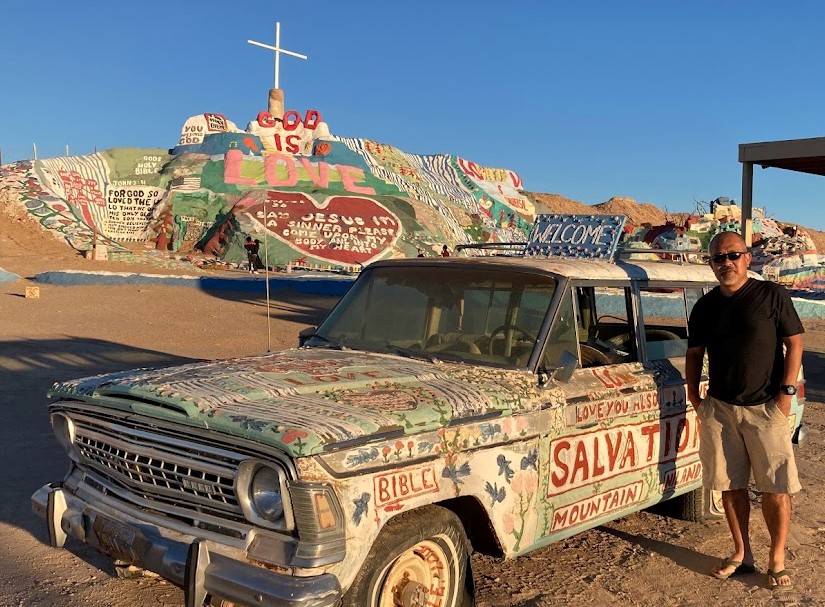
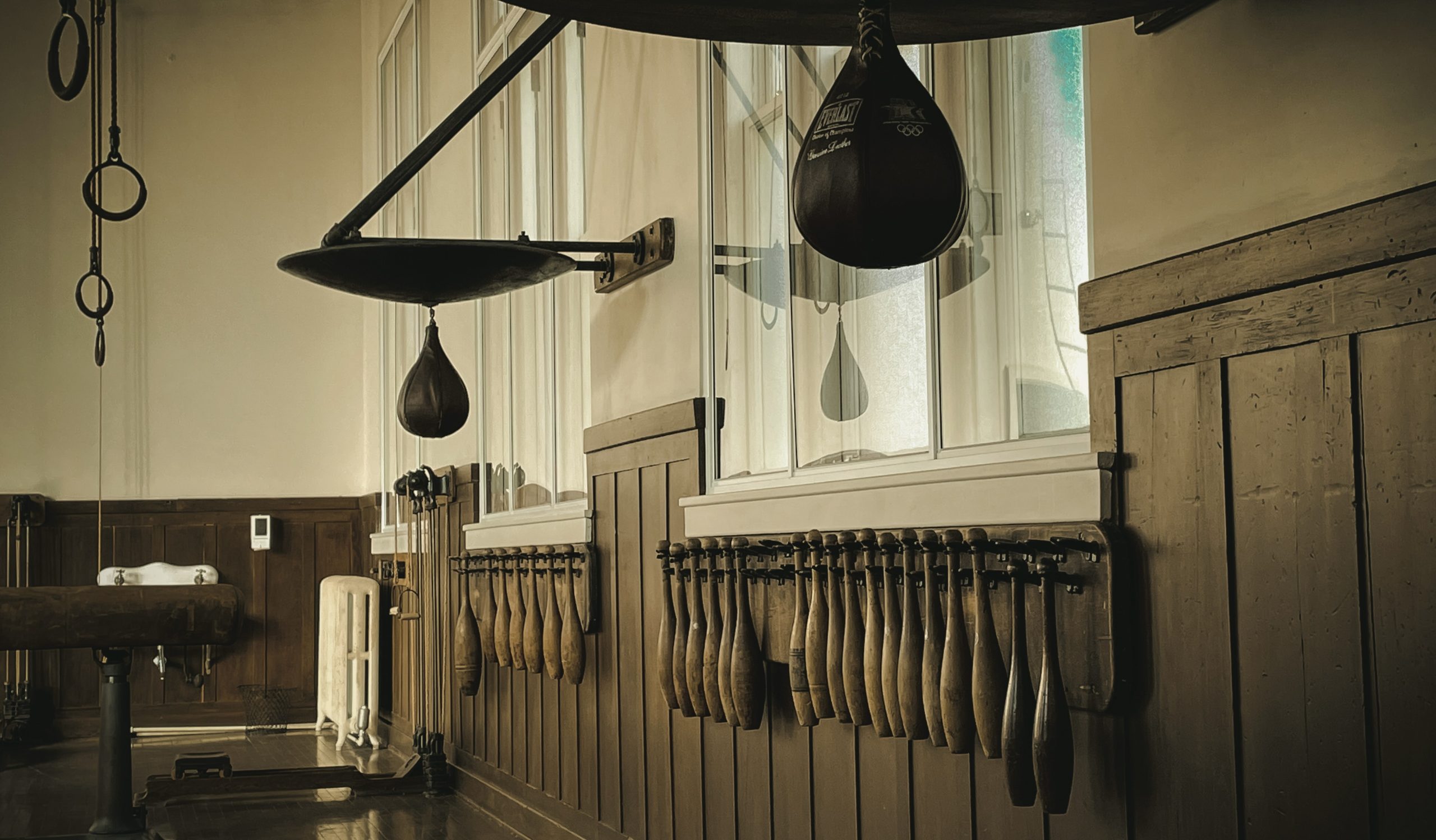
 この度の訪韓を通して、私の父について今まで知らなかったことを知りました。兄や甥が言うには、私の父はかつて日本でプロのボクサーとして闘っていたというのです。55歳になって、それまで知らなかった父の経歴を知るということは、なかなかの驚きでした。
ちょうど第二次世界大戦が終わった1945年、父の年齢は23歳。調べてみると、その終戦と共に進駐米軍の慰問や在日朝鮮人連盟が主催するボクシングの興行が盛んになされていたとのこと。父はその時代に日本のリングに上がっていたのかもしれません。
当時、李明稙の息子として見られていた父。きっとどこに行っても「李明稙の息子」と呼ばれたことでしょう。「お父さんの跡を継ぐのでしょう」と何度、きかれたことでしょうか。しかし、父は日本に渡り、ボクサーとなりました。
父はなぜソウルを離れ、日本に向かったのでしょうか。何が父を、リングに向かわせたのでしょうか。彼は何を心に思い、サンドバックを打ち続けたのでしょう。私は父に会って、なぜボクサーとなったのかと聞きたくなりました・・・。
今日の「礼拝映像」「ポッドキャスト」「一日一生」はこちらから。
↓ 今日の「日英礼拝メッセージ原稿」「おもちかえり」はこちらから ↓
「天にまします我らの父よ!」
2024年6月16日
フィリップ・ヤンシーの「誰も知らなかった恵み」という本の中に1960年代に人種差別廃止のために活動していたウィル・キャンベルという人の話が出てきます。彼は南部のミシシッピー出身で、キング牧師の公民権運動に賛同して働いたために多くの反対と攻撃を受けた人です。
そのウィルのキリスト教信仰を理解できずにいたイーストという新聞記者がウィルにこんな質問で挑んできたことがありました。「キリスト教のメッセージを十語以内で言うと、どうなるんだ。聞かせてくれ」。その質問に対して、ウィルはこう言いました。
「私達はみんな親なし子のろくでなしだが、それでもとにかく、神は私達を愛している」 “We’re all bastards but God loves us anyway.”
この言葉に対する感想をイーストは口にせず、また表情を変えることがありませんでしたが、ウィルのこの言葉はイーストの心をちくりと刺しました。ウィルは知りませんでした。イーストは父親を知らずに育ったため、生まれて以来ずっとそのことで辛い思いをしてきたのです。ウィルが選んだ言葉はショック効果があっただけでなく、神学的にも正しい言葉でした。
「私達はみんな親なし子のろくでなしだ」。
この言葉を聞いて反発がある方がいると思います。この言葉を文字通り受け取って「私には親がいる」と思われる方がいると思います。軽々しく人のことを「ろくでなしと言うな」と思われる方もいるでしょう。しかし、ここでキャンベルが言わんとしていることは、こういうことなのです。「私達はみんな真の父を知らず、その父の心に従い、生きていない。でも、それでも神は私達を愛している」
真の父とは誰でしょうか?
私達の真の父とは、私達の父母に、私達という子を授けた張本人なるお方です。この意味において、このお方はまことに、私達の天にまします父です。「父の日」の今日はこのことを心に留めながら私達の天の父なる神についてお話ししたいと思います。
今から3500年前、モーセというイスラエルのリーダーはシナイ山において神から十戒という十の戒めを受け取りました。その十戒の中には「主の御名をみだりに唱えてはならない」という戒めがありました。
この十戒を受けたイスラエルの民は、この言葉を文字通りに受け取りました。すなわち、自分の神に対して、その存在を「神」と呼ばなくなったのです。彼らはその名を呼ぶことすら畏れ多いことなのだと受け止めたのです。以来、長い年月が経ち、このことゆえに彼らは神を何て呼んでいいのか、その呼び名すらも分からなくなってしまいました。
そんな彼らの間にイエス・キリストが現れて、その呼び名すらも忘れられてしまった彼らの神のことを「父」と呼び始めたのです。自分達は「神」という名すらも畏れ多く口にしないのに、イエス様が神を「父」と呼ぶことに対して、人々はイエスを許すことができなくなりました。ヨハネはこのことをこのように記録しています。
ヨハネ5章18節、「このためにユダヤ人達は、ますますイエスを殺そうと計るようになった。それは、イエスが安息日を破られたばかりではなく、神を自分の父と呼んで、自分を神と等しいものとされたからである」。
同じくヨハネ19章7節においても「彼は自分を神の子としたのだから、死罪に当たる者です」と、イエス様の言葉は死に値するものだという、彼らの言葉が記録されています。ここにはっきりと書かれていますように、イエス様が神を父とし、自身を神の子としたことが、イエス様をカルバリの十字架に向かわせる一つの原因となりました。
数週間か前に、イエス様は「自分が再び、この世界に来るという再臨」について語ることに命をかけたとお話ししました。同じように、イエス様は「神を父と呼ぶ」、そのことにも命をかけたのです。
さらに驚くべきことは、イエス様は神をただ、父と呼ぶのではなく、「アバ、父よ」と呼びかけたのです。十字架におかかりになる数時間前、イエス様は血が滴り落ちるほどの汗をかき、声を振り絞るように、こう祈りました。
マルコ14章36節「アバ、父よ、あなたには、できないことはありません。どうか、この杯をわたしから取りのけてください。しかし、わたしの思いではなく、みこころのままになさってください」
この「アバ」とはユダヤ人の間で使われていたアラム語です。この言葉は幼い子供が父の膝の上に座りながら言う、「ダディー、お父ちゃん、アッパー」という言葉なのです。このイエス様が呼びかけた「アバ」ということについてパウロは驚くべきことを書いています。
ローマ8章15節、「あなたがたは再び恐れをいだかせる奴隷の霊を受けたのではなく、子たる身分を授ける霊を受けたのである。その霊によって、わたしたちは「アバ、父よ」と呼ぶのである」
聖書は私にもあなたにもこの神を「ダディー、お父ちゃん、アッパー!」と呼ぶことができるのだと言っているのです。
子供が小さい頃、よく近所の公園に行きました。そこではたくさんの子供達が思い思いに遊んでいました。その公園には砂場があり、その砂場を取り囲むようにしてベンチがあり、親達はそこに座り、我が子を優しい眼で見守っています。
ある日、一人の男の子がおもちゃのシャベルを使いながら砂場で砂山を作っていました。一生懸命、それに没頭しているのですが、時々、何かを思い出したように顔を挙げて、ある方向を見るのです。その視線の先には彼のお父さんがいました。男の子はそのお父さんがそこにいると確認すると安心して、また砂山を作り出します。そんなことが何度か繰り返されました。
砂遊びが飽きたその子は別の遊びを始めました。その時に自分の頭を遊具にぶつけてしまいました。彼にはそうとう痛かったようで、今にも泣き出しそうです。
その彼が頭をぶつけた瞬間、その子はすぐに自分の父を探しました。そして目に涙をためながら「ダディー」と父親に歩み寄ったのです。否、彼が歩み寄る前に彼の父親はその子の様子を身、我が子の元に駆け寄り、息子を抱きしめたのです。
皆さん、私達のクリスチャンライフは砂場で遊ぶこの子供のようなものです。私たちは、そこで思い思いに暮らしています。その場所で、いつでも、私達も「お父さん」と父なる神を呼んでいいと聖書は言います。
あなたは神様をどのようなお方だと思っていますか。いつもあなたを厳しく監視しているお方ですか。私たちの過ちを事細かに数えているお方ですか。いいえ、あなたがいついかなる時にも「ダディ、お父ちゃん、アッパー」と駆け寄ることができる、それが私達の信じる父なる神なのです。
先々週、私はパウロが教会に対して自分がもっている覚悟についてお話ししました。すなわちガラテヤ4章19節にこう書かれています。
「ああ、わたしの幼な子たちよ。あなたがたの内にキリストの形ができるまでは、わたしは、またもや、あなたがたのために産みの苦しみをする」
パウロはここで「あなたがたの内にキリストの形ができるまで」と言っています。「私達の内にキリストの形ができる」ということはどういうことなのか。それは私達がキリストのように、自分を神の子とし、イエス様のように天の神をアバと慕い求める心、その父と子の関係を取り戻すということです。
私にも子供がいますが、もし、子供達が私の姿が見えるたびに緊張して、恐れに支配されているということであるならば、私は居たたまれなくなると思います。もし、私の姿が見えれば「お父様」と言いながら正座をするということであるならば、それは私にとって喜ばしいことではありません。私は思います。「なんで、そんなにかしこまっているのか」。
「何かよいことをしなければ神様に認められない。神に受け入れられるようにならなければ、クリスチャンになれない。神の子などにはなれない」。皆さん、私達は本腰を入れて、この呪縛から解放されないといけません。子は子であるという事実、それだけで父から愛される資格を持っているのです。
多くの皆さんがご存知のように、私は母親によって育てられました。先にお話した言葉を借りて言うならば、まさしく私は父親を知らない子です。父は私が生まれてすぐに天に召されていったからです。故に父に抱かれた思い出はないし、ザラザラした髭剃り後の肌に触れたり、父親の太い腕にぶら下がったこともありません。
しかし、神様は真実なお方であります。父親と共に暮らすことはありませんでしたが、私には「お父さん」と呼べる存在がいたからです。そして、この年になって思うのですが、既に召された母にも「お父さん」と呼べる存在がいたのです。
すなわち私達、母子には共通の頼りとなる「父さん」がいたのです。イエス・キリストが「アバ」と呼ぶことに命をかけてくださったことにより、また私達親子もその同じお方を「お父さん」と呼ぶことが許されていることにより、私達、母子は救われたのです。
五月に家族で訪日しました。最初の日曜日、新宿にある東京中央教会で礼拝を捧げました。その教会は1968年4月2日に私の韓国人であった父と日本人であった母が結婚式を挙げた教会です。
そして、ちょうど30年後、1998年4月2日、私達もその教会で結婚式を挙げました。父母はこの教会で結婚し、その後、ソウルに移り住み、わたしはそこで生まれました。
この教会を訪ねた三日後、私達はソウルに飛びました。そこにいる兄家族に会うためです。父の前の妻を亡くした父方には四人の子供がおり、その内、二人の兄が今もソウルにいます。この兄と家族に私の家族を会わせることができたことは、この旅のハイライトとなりました。
1968年、日韓の情勢が難しい時代に、なぜ韓国人の父と日本人の母とが結婚をしたのか、そのことを突き詰めていくと私の祖父に導かれます。
祖父、李明稙(Lee Myong Jik)は私が学んだ日本の神学校で学び、韓国に帰国し、そこで神学校と現在の基督教大韓聖潔教団(Korea Evangelical Holiness Church)の創立に関わりました。
その祖父の大学が今もソウルにあり、その大学をこの度は訪ねました。祖父のことを研究してくださっている教授達や学長とも面会することができました。私の記憶にない祖父ですが、主のお恵みにより、当時のクリスチャン・コミュニティーに、いくらかの貢献をした人のようです。そして、その息子、李宗桂(Lee Sou Kei)が私の父となります。
この度の訪韓を通して、私はこの祖父の息子、私の父について今まで知らなかったことを知りました。兄や甥が言うには、私の父はかつて日本でプロのボクサーとして戦っていたというのです。55歳になって、それまで知らなかった父の経歴を知るということは、なかなかの驚きでした。
ちょうど第二次世界大戦が終わった1945年、父の年齢は23歳。調べてみると、その終戦と共に進駐米軍の慰問や在日韓国人連盟が主催するボクシングの興行が盛んになされていたとのこと。父はその時代に日本のリングに上がっていたのかもしれません。
当時、李明稙の息子として見られていた父。きっとどこに行っても「李明稙の息子」と呼ばれたことでしょう。「お父さんの跡を継ぐのでしょう」と何度、きかれたことでしょうか。しかし、父は日本に渡り、プロのボクサーとなりました。
日本語でパスターを牧師(Bokushi)と呼びます。父は祖父の跡を継いで牧師にならず、ボクサー(Boxer)となったのです。言葉上、「し」と「さ」の違いですが、その違いは大きいのです。
私は父に会って、なぜボクサーとなったのかと聞きたくなりました。祖父が神学校で講義をする。礼拝の説教壇に毎週、立つ。その姿を一番、間近に見ていながら、父は日本でサンドバックを叩き続けました・・・。
祖父を知る韓国の年配の牧師に話を聞くと、皆、口をそろえて「祖父は聖人だった」と言います。「神学教育と韓国のホーリネス教団の始まりに関わり、自分の時間も財産も全て、そこに注いだからだ」と皆が口々に言います。しかし、その時にその祖父の背後にいた家族について触れる人はいません。
その背後で強いられた厳しい生活が父を、リングに向かわせたのでしょうか。彼は何を心に思い、サンドバックを打ち続けたのでしょうか。ソウルを離れ、なぜ父は日本に向かったのでしょうか。
実際にその気持ちを父から聞かなければ、その心はわかりませんが、その話を聞いた時、私はイエス様が言われた放蕩息子の譬え話を思い起こしました。伝道と神学校、そして教団設立のために全てを犠牲にした祖父に背を向けて、父は家を出たのではないかと。私は祖父を尊敬しています。彼が成したことは並大抵なことではなかったと思います。しかし、言うまでもなく人は誰もが完璧ではないのです。
今日、ここには父と呼ばれる方達がいますでしょう。私もその一人です。皆さんはきっと歯を食いしばって家族を養ってきたことでしょう。しかし、私達は完全無欠ではありません。私たちが良かれと思ってしていることが、実は家庭の悩みの種となっていることがあると思います。知らないのは私達だけなのです
聖書の中にも父親が出てくる。彼らの多くは神の前に真実に生きました。しかし、その家庭において、彼らは多くの悩みを抱えました。アダム、アブラハム、イサク、ヤコブ、ヨセフ、ダビデ、ソロモン、彼らの家庭の悩みは深刻で、ダビデにいたっては我が子に命を狙われました。ダビデは自ら、こう言っています。
サムエル記下3章39節、「わたしは油を注がれた王であるけれども、今日なお弱い」
彼らは人々の間で良きリーダーであろうとし、また同時に良き父であろうと願ったに違いありません。しかし、彼らとて私達と同じ人間。その両方を叶えることはとても難しいことでした。主にある兄弟方、この彼らの姿に重なることが私達にもあるのではないでしょうか。
しかし、ここにグッドニュースがあります。私達は今よりもよき父親になる可能性があります。しかし、そうなるためには一つの条件があります。
それは、自らの不完全を知り、謙遜に学ぼうとする心です。誰から学ぶのでしょうか。我らの父なる神からです。イエス・キリストからです。聖霊からです。
我々、男にとって一番、難しいことは、教えられやすい男になることだと私は思います。我々は自分なりに、がんばっていますから、自分の生き方を変えるのは、敗北のように感じてしまうのです。我々には「ここまでやってきたのだ」というプライドがあります。しかし、その「ここまでやってきたのだ」ということは、天のお父さんの目にどう写っているのでしょうか。
自分の生き方をこの父によって変えていただくことは、敗北を意味しません。この試みは敗北どころではなく、私達が本当の勝利に向かう始まりとなるのです。この勝利は自分の不完全さを認めた者達に与えられる勝利です。
私の父はその後、グローブをぬぎ、牧師となりました。1950年に勃発した朝鮮戦争が一つのきっかけとなったようです。ボクサーとして、敵を殴り倒すところに解決がないことを悟ったのかもしれません。
そして、そのような中できっと父は天のアッパー(お父ちゃん)に出会ったのでしょう。このことが父を救ったのではないか・・・と私は想像します。そして、祖父もきっとこの事実に慰めを得て、救われたのではないかと想像します。天国にいったら、父や祖父から、この辺りのことをゆっくりと聞かせてもらうことを今から楽しみにしています。
お父さん方、私達は家族からのリスペクトを、お金で買ったり、力を誇示して受けることはできないのです。その意味で我々が父であり、また夫であり続けることは至難のわざです。しかし、私たちには希望があります。今日から天にいらっしゃる父から学ぶことです。
主にある兄弟、家庭のリーダーとして、妻と子と共に、毎週日曜日、ここにきませんか。ここで背負っている荷を下ろして、自分は父なる神の子であることを毎週、確認しましょう。その父なる神が自分に妻を与え、我が子を託していてくださるということを毎週、心に刻みましょう。自分は確かに父なる神の眼差しの中にいるということを確信して、家庭に、職場に戻るのです。
偉大なゴールに到達する方法は一つしかありません。多くの私達はそのことを忘れ、そのゴールばかりを夢見ます。偉大なゴールに到達する方法、それはコツコツとそこに至る道で成すべきことを続けることです。天の父が教えてくださる、父としての生き方をこつこつと学ぶのです。そして、天の父がくださる無尽蔵の恵みと知恵をいただき、その全てを惜しみなく家族に還元するのです。主にある兄弟、私達が愛する者に残していくことができる、これ以上の遺産がありますでしょうか。
世はあなたの仕事の功績を褒め称えるかもしれない。あなたが上り詰めたステイタスやあなたの財産に目を見張るかもしれない。今、あなたは必死になってそれらを追い求めているかもしれない。しかし「お父さんの子でよかった」と我が子に思ってもらえること以上の勲章は、私達にはないのです。
2024年6月16日、今日、もし何かしらの決断をする人がいたのなら、その全ての栄光を私の天のお父さんにお返しします。天にいらっしゃる私達の父は惜しむことなく、これからも私達の父としてのありかたを教えてくださることでしょう。私達を見守り、私達の最善以外を願うことのない、天のお父さんの優しい眼差しの中を生きましょう。共に謙遜に、私達のお父さんから、私達の生きる道を教えていただきませんか。
父の日の今日、全世界の父親達、そしてその家族の上に私達の天の父なる神の恵みと祝福が溢れんばかりに注がれますように。
お祈りしましょう。
“Our Father who is in Heaven!”
June 16, 2024
In the book, “What’s So Amazing About Grace” by Philip Yancey, there is a story about a man named Will Campbell who worked for the abolition of racism in the 1960s. He is a Mississippi native from the South who faced much opposition and attack for his work in support of Dr. Martin Luther King’s civil rights movement.
A newspaper reported named East, who had been unable to understand Will’s Christian faith, once challenged him with this question. “Keep it simple. In ten words or less, what’s the Christian message?” In response to that question, Will said.
“We’re all bastards but God loves us anyway.”
East did not say what he thought of these words, nor did he change his expression, but Will’s words did strike a chord in East’s heart. Will did not know. East grew up without knowing his father and has had a hard time with it ever since he was born. The words Will chose not only had a shock effect, but were theologically correct.
”We are all parentless bastards.”
I know there are some who will be repulsed by these words. I know some of you may take these words literally and think, “I have parents”. Some may think, “Don’t call people bastards” so lightly. But here is what Campbell is trying to say.”We all don’t know the True Father and we don’t live according to His heart. But God still loves us.”
Who is the True Father?
Our True Father is the One who gave us to our parents. In this sense, He is truly our Heavenly Father. Keeping this in mind today, on Father’s Day, I would like to talk about God our Heavenly Father.
Some 3500 years ago, an Israelite leader named Moses received the Ten Commandments from God at Mount Sinai. Within the Ten Commandments is the commandment, “You shall not take the name of the Lord your God in vain.”
The Israelites who received these Ten Commandments took these words literally.
In other words, to their own God, they no longer called that being “God”. They accepted is as a truly fearful thing to even invoke that name. Many years had passed since then, and because of this they do not even know what to call God.
Jesus Christ appeared among them and began to call their God, a name that had been forgotten, “Father”. People could no longer forgive Jesus for calling God, “Father” when they were too afraid to even speak the name “God” themselves. John records this matter in the following manner.
John 5:18, For this reason they tried all the more to kill him; not only was he breaking the Sabbath, but he was even calling God his own Father, making himself equal with God.
Likewise, what the Jewish leaders said regarding Jesus’ words being worthy of death is recorded in John 19:7, “He must die, because he claimed to be the Son of God.” As clearly stated here, the fact that Jesus took God as His Father and Himself as the Son of God was one of the things that drove Him to the cross of Calvary.
A few weeks or so ago, I told you that Jesus gave His life to speak of His “second coming, that He would come again, to this world.” In the same way, Jesus “called God the Father,” and he put His life on the line for that as well.
What is even more amazing is that Jesus did not just call God, Father, but called out, “Abba, Father”. Hours before His crucifixion, Jesus was in deep agony that He was sweating blood and His voice was strained as He prayed the following.
Mark 14:36, “Abba, Father,” he said, “everything is possible for you. Take this cup from me. Yet not what I will, but what you will.”
This “Abba” is an Aramaic word used among Jews. These are the words a young child says while sitting on his father’s lap, “Daddy, Otouchan, Appa” Paul writes something remarkable about this “Abba” that Jesus called out.
Romans 8:15, The Spirit you received does not make you slaves, so that you live in fear again; rather, the Spirit you received brought about your adoption to sonship. And by him we cry, “Abba, Father.”
The Bible says to me and to you that we can call this God, “Daddy, Otouchan, Appa!”
When my children were small, we often went to a neighborhood park. There, many children were playing freely. The park had a sandbox, and benches surrounding it, where parents sat and watched their children with kind eyes.
One day, a boy was making a sand pile using a toy shovel in the sandbox. He was trying his best to stay engaged in it, but every once in a while he would look up as if remembering something, and look in a certain direction. His father was at the end of his gaze. When the boy confirmed that his father was there, he was relieved and created another sand pile. This was repeated several times.
When the child got tired of playing with the sand, he started playing something else. At that time, he hit his head on a piece of playground equipment. It seemed to hurt him quite a bit that he was about to cry.
The moment he hit his head, the child immediately looked for his father. Then, with tears in his eyes, he walked up to his father and said, “Daddy”. No, before he could walk up to him, his father saw the child, ran to his own son, and hugged him.
Dear people, our Christian life is like this child playing in a sandbox. We live there with our own thoughts. In that place, at any time, the Bible says, we too can call God the Father, “Daddy”.
What do you think God is like? Is He the One who is always watching you strictly? Is He the One who is counting every mistake you make in detail? No, you can run up to Him at any time and say, “Daddy, Otouchan, Appa”. That is the God the Father that we believe in.
A couple weeks ago, I spoke about Paul’s own readiness for the church. In other words, it is what is written in Galatians 4:19.
Galatians 4:19, My dear children, for whom I am again in the pains of childbirth until Christ is formed in you,
Paul says here, “until Christ is formed in you”. What does it mean to “have Christ formed in us?” It means that we, like Christ, make ourselves God’s children, and like Jesus, we recover that Father-child relationship, a heart that longs and seeks God in heaven as our Abba.
I have children as well, but if they were to get nervous every time they see me, and were to be ruled by fear, then I think I would become very uncomfortable to be with them. If it means that when they see me, they sit on their knees with backs straightened saying “Honorable Father,” that would not be pleasing to me. I would wonder. “Why are you being so formal?”
“If I don’t do something good, I won’t be accepted by God. If I don’t become acceptable to God, I cannot become a Christian. I cannot become a child of God.” Dear People, we must get serious, and free ourselves from this spell (cursed thinking). The fact that the child is a child, that alone qualifies them to be loved by their father.
As many of you know, I was raised by my mother. To borrow the words I spoke earlier, I am truly a child who has never known his father. My father went to heaven soon after I was born. Hence, I have no memories of being hugged by my father, touching his rough post-shaven skin, or hanging on to his thick arms.
However, God is true. I never lived with my father, but I had a “Father” to call my own. And at my age, I think that even my mother, who has already been called to heaven, had a “Father” that she could call her own. In other words, we, mother and child, had a common “Father” to rely on. We, mother and child, were saved, because through Jesus Christ giving up His life to call God, “Abba,” we too were allowed to call that same One as “Father”.
I visited Japan with my family in May. On our first Sunday there, we worshiped at the Tokyo Chuo Church in Shinjuku. It is the church where my Korean father and Japanese mother were married on April 2, 1968. And, exactly 30 years later, on April 2, 1998, Mika and I were also married in that church. My parents were married in this church and later moved to Seoul, where I was born.
Three days after visiting this church, we flew to Seoul. It was to meet my older brothers and their families there. My father’s previous wife died, and my father’s side of the family had four children, including two older brothers who are still in Seoul. Being able to have these older brothers and their families meet my family was the highlight of the trip.
Why did my Korean father and Japanese mother get married in 1968, at a time when the situation between Japan and Korea was difficult? As I looked into this matter, it led me to my grandfather.
My grandfather, Lee Myong Jik, studied at the seminary in Japan where I studied, returned to Korea, and there, he was involved in founding a seminary and what is now the Korea Evangelical Holiness Church.
My grandfather’s university is still in Seoul, and I visited that university on this occasion. I was able to meet with professors who have been researching my grandfather, and with the president of the university I don’t remember my grandfather, but by the grace of the Lord, it seems that he made some contribution to the Christian community at that time.。And his son, Lee Sou Kei, would be my father.
Through this visit to Korea, I learned things about this grandfather’s son, my father, that I did not know before. According to my brother and nephew, my father used to fight as a professional boxer in Japan. For me at the age of 55, it was quite a surprise to learn about my father’s career, which I had not known before.
It was 1945, just as World War II ended, and my father was 23 years old. When I looked into it, I found that with the end of the war, there were many boxing events sponsored by the Korean Residents League of Japan and consolations for the U.S. Occupation Forces. My father may have been in the ring in Japan during that time period.
At the time, my father was seen as the son of Lee Myong Jik. I am sure that wherever he went, he was called, “Lee Myong Jik’s son”. How many times was he asked, “Are you going to follow in your father’s footsteps?” However, my father went to Japan and became a professional boxer.
In Japanese, pastor is called “Bokushi”. My father did not follow in my grandfather’s footsteps, but became a “Bokusa” (Boxer). Word-wise, it is the difference between “shi” and “sa,” but the difference in significant.
I have a desire to meet my father and ask him why he became a boxer. My grandfather lectured at the seminary. He stood in the pulpit every week for worship services. Even though my father saw this up close and personal, he continued to punch sandbags in Japan . . .
When I spoke with elderly Korean pastors who knew my grandfather, they all said in unison, “Your grandfather was a saint.” They all said, “Because he was involved in theological education and the beginnings of the Korean Holiness Church, and poured all his time and possessions into it.” However, no one mentioned the family behind that grandfather at that time.
Did the hard life he was forced to lead behind the scenes make my father turn to the boxing ring? What was on his mind as he continued to hit the sandbag? Why did my father leave Seoul for Japan?
Without actually hearing that feeling from my father, I would not know his heart, but when I heard about it, I was reminded of the parable of the prodigal son that Jesus told. I thought my father left home to turn his back on my grandfather, who sacrificed everything for the sake of evangelism and the seminary, and to establish the denomination. I have a great respect for my grandfather. I think what he accomplished was extraordinary. But needless to say, no one is perfect.
Today, there are those of you here who are called fathers. I am also one of them. I am sure you have gritted your teeth to provide for your families. However, we are not perfect.
I think that sometimes what we do with the best of intentions actually becomes the source of the family’s troubles. We are the only ones who do not know.
Fathers are mentioned in the Bible. Many of them lived truthfully before God. In their homes, however, they had many troubles. Adam, Abraham, Isaac, Jacob, Joseph, David, and Solomon, Their family troubles were serious, and in David’s case, his own son tried to kill him. David himself said.
2 Samuel 3:39, And today, though I am the anointed king, I am weak,
They must have hoped to be good leaders among their people and good fathers at the same time. But they are human beings just like us. It was very difficult to make both of these things come true. Brothers in the Lord, we may overlap with this image of them.
But here is the Good News. We have the potential to be better fathers than we are now. However, there is one condition for this to happen.
It is a heart that knows its own imperfections and humbly tries to learn. Who will we learn from? From God our Father. From Jesus Christ. From the Holy Spirit.
I think the hardest thing for us men to do is to become teachable men. In our own way, we are doing our best, so changing our way of life feels like a defeat. We have the pride of saying, “We have come this far.” But how does that “we have come this far” look in the eyes of our Heavenly Father?
To have one’s way of life changed by this Father does not mean defeat. This attempt is not a defeat, but the beginning of our real victory. This victory is given to those who recognize their imperfections.
My father, then after, took of the gloves, and became a pastor. The Korean War breaking out in 1950 seems to have been one of the triggers for this. As a boxer, he may have come to the realization that there is no resolution in punching down his enemies.
And in the midst of all this, I am sure that my father met the Heavenly Appa (Daddy). I imagine . . . that this saved my father And I imagine that my grandfather must have found comfort in this fact and was saved. I am now looking forward to hearing from my father and grandfather about this matter at leisure when I get to heaven.
Fathers, we cannot receive respect from our families by buying it with money or showing off our power. In this sense, it is extremely difficult for us to remain fathers and husbands. However, we have hope. It is to learn from our Father who is in heaven from this day forward.
As a brother in the Lord and a family leader, why don’t you come here every Sunday with your wife and children. Unburden yourself here of the burden you carry, and confirm each week that you are a child of God the Father. Let us take to heart each week that God the Father has given you a wife and entrusted you with your children. Confirm that you are indeed in the Father’s sight, and return back to your homes and workplaces.
There is only one way to reach a great goal. Many of us forget what that is, and dream only of that goal. The way to reach a great goal is to keep on doing what you need to do on the road to get there. We are to learn diligently how to live a fatherly life, as our Heavenly Father teaches us. Then, we receive the inexhaustible blessings and wisdom that our Heavenly Father gives us and generously give it all back to our families. Brothers in the Lord, what better legacy can we leave to our loved ones?
The world may praise you for the successes in your work. They may be awed by the status you have risen to and your wealth. Right now, you may be frantically pursuing those things. However, there is no greater medal we can receive than to have our own child think, “I’m glad I am my father’s child.”
If anyone makes some kind of a decision today, June 16, 2024, I return all the glory to my Heavenly Father. Our Father in heaven will not withhold anything from us in continuing to teach us how to be a father. Let us live in the tender eyes of our Heavenly Father, who watches over us and desires nothing but the best for us. Together, in humility, let us ask our Father to teach us how to live.
On this Father’s Day, may the grace and blessings of our Heavenly Father be poured out in abundance on all fathers and their families throughout the world.
Let us pray.
本日のおもちかえり 2024年6月16日
1)あなたはフィリップ・ヤンシーが著書の中に記している「私達はみんな親なし子のろくでなしだが、それでもとにかく、神は私達を愛している」 という言葉をどう受け止めますか。
2)神を「父」としたイエス様に対して当時の人々はどう反応しましたか(ヨハネ5章18節、19章7節)。なぜ、彼らはこのことを死罪にあたるとしたのですか。
3)イエス様は神を父としたばかりではなく、神を「アバ」と呼びました(マルコ14章36節)。これは幼児が父を呼ぶ時に言う「お父さん」という呼びかけです。この呼びかけがイエス様と父なる神とのどんな関係を言い表していますか。
4)驚くべきことに私達も神様を「アバ」と呼びことができると聖書は言います(ローマ8章15節)。私達がこのように親しく神様をお父さんと呼べることは、私達にどんな思いを抱かせますか。
5)聖書に記録されているアダム、アブラハム、イサク、ヤコブ、ヨセフ、ダビデ、ソロモンは皆、父でありましたが、皆、家庭に問題がありました。完全な父親はいるでしょうか。なぜよき父であることは難しいのですか。
6)もし、私達がよき父になろうとするのなら、私達に不可欠なことは何ですか。私達は誰から学ぶべきでしょうか。
7)あなたが良き父として生きるため、学ぶため、家族の先頭に立つために、今日からできることは何ですか。
