
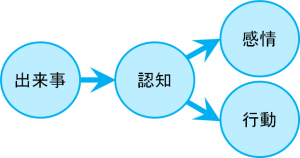
 私達が生きる世界、その見聞きする光景を私達は互いに共有しています。そして、その光景をどう受け止めるかによって、私達の今日が、明日が変わってきます。私達の思考が私達の人生を決めると言われるように、ヨシュアの目にはとてつもない困難と思われるようなことが、またとないチャンスとして映ったのです。果たしてそのような思いはどこから来たのか、この違いはどこからきたのでしょうか。
マック
「礼拝プログラム」、「一日一生」はこちらから。
本日の日英メッセージ原稿、おもちかえりはこちらから ↓
ヨシュア:見方・受け止め方が変わります
2017年2月19日
私達の教会では毎週、日曜日、「人生の危機管理」というテーマでメッセージをお話ししています。人生には色々な危機がおとずれます。その危機には不意に私達に襲いかかってくる天災や事故のようなものがあり、また自らの言動や決断によって向き合わなければならない危機があります。私達がこのシリーズで向き合っているのはこの後者で、このような失敗をした聖書中の人間について注目しています。彼らの失敗から私たちが知恵を得、彼らと同じ過ちを犯すことがないようにと祈り、願いつつ毎週、このメッセージを語らせていただいております。
しかしながら、誰かの失敗とか危機というものばかりを見ていますと、確かに物事に対する注意深さとか緊張感を得ることはできるのですが、どうしてもそれだけでは心が委縮してしまいます。そこでこのシリーズの中に失敗だけではなく、人が成した堅実な信仰の歩みというものもこれから時々、織り交ぜたいと願っております。今日はその一人、ヨシュアという人に注目しましょう。
私達はエジプトに奴隷となっていた数百万ものイスラエルの民を率いて、エジプトを出て荒野での旅路についたモーセについて学びました。そのモーセも不死身ではありませんから、そのはたらきを継ぐ者について考えなければならない時がきました。
モーセによってエジプトを出てきたイスラエルの民達が神様から示されて向かうべき最終の目的地はカナンでした。しかし、その最大の功労者であるモーセはその目標を見ることができずに神のもとに帰らなければなりませんでした。そこで、いよいよ主はモーセに言われたのです「神の霊のやどっているヌンの子ヨシュアを選び、あなたの手をその上におき・・・なさい」(民数記27章18節)。モーセには子供がいましたが、モーセの偉かったことは彼らを自分の後継者とはせずに、神の示されたヨシュアを選び、彼にイスラエルの先頭を立つために必要なことを教え示したのです。このことがうまくいかないと私達は混乱し、後々、骨肉の争いとなることがあります。
このモーセとヨシュアの世代交代から私達一人一人は神様から与えられた一つの時代にしか生きることができない者であるということを確認します。すなわち私達は先代の人達が築いたものを引き継ぎ、そして、それに私達の成し遂げる最善のものをつけ加え、次の世代に引き継いでいく役割を負っているということです。
ダビデはイスラエルの王として、エルサレムの神殿建築を望んでいましたが、それを成し遂げたのは彼の息子のソロモンでした。預言者エリヤのはたらきは、さらに霊的な力が神様から与えられたその弟子、エリシャに引き継げられました。バプテスマのヨハネはイエス様がその活動を始める前に後に続くイエス・キリストのために道を整えました。ヨハネキリストを指して「彼は栄え、私は衰える」という立場に生き、イエス様と入れ替わるかのようにして天にかえりました。
私達が何かを習得しようとする時、すぐにそのことに熟練することはできません。そこにいたるまでには年月が必要であり、そのために見習いというような時を過ごすことがあります。営業職であっても、宮大工であっても、寿司職人であっても、まずは上司とか親方と呼ばれる人のもとで手習いを受けて、やがて一人立ちしていくものです。
同じようにヨシュアもまずイスラエルのリーダーであるモーセの側に仕える若者として聖書の中に出てきます。その間、モーセの言動をつぶさに観察し、その働きを間近に見ながら実際的なリーダーとしてのあり方を心に刻みました。その経験の中に彼にとっては忘れられないある出来事がありました。それはイスラエルがモーセの指揮のもと、宿敵アマレク人と戦った時にヨシュアが見た光景でした。出エジプト記17章9節-16節に記されています。
9モーセはヨシュアに言った「われわれのために人を選び、出てアマレクと戦いなさい。わたしは明日、神のつえを手に取って、丘の頂に立つであろう」。10ヨシュアはモーセが彼に言ったようにし、アマレクと戦った。モーセとアロンおよびホルは丘の頂に登った。11モーセが手を上げているとイスラエルは勝ち、手を下げるとアマレクが勝った。12しかしモーセの手が重くなったので、アロンとホルが石を取って、モーセの足もとに置くと、彼はその上に座した。そしてひとりはこちらに、ひとりはあちらにいて、モーセの手をささえたので、彼の手は日没までさがらなかった。13ヨシュアは、つるぎにかけてアマレクとその民を打ち敗った。14主はモーセに言われた、「これを書物にしるして記念とし、それをヨシュアの耳に入れなさい。わたしは天が下からアマレクの記憶を完全に消し去るであろう」。15モーセは一つの祭壇を築いてその名を「主はわが旗」と呼んだ。16そしてモーセは言った、「主の旗にむかって手を上げる、主は世々アマレクと戦われる」。
その時、イスラエルはアマレク人と戦いの最中にありました。モーセはそのためにヨシュアに、アマレクとの戦いに出るようにと命じるのです。そうです、モーセはヨシュアに後継者としての経験をさせたのでしょう。ヨシュアは言われた通りに戦いに出て行きました。彼は軍人ですから、戦い方というものを知っていたと思います。綿密な戦略をたて、日ごろから訓練した者達と共に戦いに臨んだことでしょう。そして、その戦いに勝利をとりました。その実際の戦いはモーセ不在でなされましたから、自分達もまんざらではないというような思いをもっていたかもしれません。
しかし、意気揚々と自陣に帰ってみると、もしくは後日、ヨシュアが戦っている間にモーセが手を挙げて神様に祈っていたということ、すなわちモーセがその祈りの手を挙げている時にはイスラエルが勝ち、手を下げるとアマレクが勝ったということを知るのです。ゆえにその戦の勝利はヨシュアとその軍隊の力によるのではなくて、ひとえにモーセの祈りに応えた神様の力によるものであったということを彼は知るのです。
皆さん、主はヨシュアを名指しして「これを書物に記して記念とし、それをヨシュアの耳に入れなさい」(14)とモーセに命じたのです。もしヨシュアがこの書物を読まなければ彼はその勝利は自分たちの綿密な戦略、自分たちの戦力、自分たちの戦意によるものであったと思い続けたかもしれません。そして、その思いがある限り、ヨシュアはモーセの後継者となることはできなかったのです。
このことは時に私達にも当てはまります。あれができた、この危機を脱した、その背後では誰かが自分のために祈り、ゆえに神が自分を助けてくださったのだということを知るときに私達は謙虚にさせられ、そして、主が共にある時に私は大丈夫なのだということを知るのです。
こういうことをお話しすることは滅多にありませんが、メッセージにつながることですのでお話ししましょう。私達は水曜日、木曜日の集会で主に賛美し、証をし、聖書に学び、最後に祈ります。愚直なほどにこのパターンを変えずにきましたし、これからも変える予定はありません。私達はこれらの水曜、木曜集会、そして今朝も持ちました早天祈祷会で幾人かに分かれて祈ります。時にその祈りは教会の兄弟姉妹のことであり、家族のことであり、そして私達が会ったこともない人達のことです。今朝もこの礼拝と今日一日の主の祝福と守りを祈りました。そう考えますと週の半分、私達は誰かのために祈っています。その時、私達は皆、モーセのように祈りの手を挙げて祈っているといってもいいと思います。そして、主はその祈りに応えてくださいます。ヨシュアがそうであったように、私達の病が癒されたりとか、抱えている問題が解決したとか、そのようなことがあるとしたら、それは決して私達の力だけによるのではなく、祈りの御手を挙げている者達のとりなしに主が応えてくださったのだと気がつき、主を見上げて歩むことはとても大切なことです。
この時にヨシュアは、戦の勝敗は戦術や兵士の力によるのではないということを学びました。勝利とは人の力によるのではなく、それは神から来るものなのだということをヨシュアはモーセから大切な任務を引き継ぐにあたり受け取ったのです。そして、この経験は後のヨシュアの土台となります。神様はモーセの後継者であるヨシュアにこのことをまずしっかりと心に刻むことを望まれたのです。
詩篇20篇はイスラエルの二代目の王であったダビデによって書かれたものですが、それは王の出陣式に祭司が捧げた取り成しの祈りが原型となっていると言われています。その中に「ある者は戦車を誇り、ある者は馬を誇る。しかしわれらはわれらの神、主の御名を誇る」(7)という言葉が記録されています。ダビデも戦には長けている戦士です。しかし、彼も戦いの勝利は戦車や馬によるのではなく、神の御名にあるのだというのです。
私達にも寄り頼むものがそれぞれあります。強みとなるものといってもいいかもしれません。しかし、私達はそれらだけに寄り頼むのではなく、万軍の主のはたらきに委ねようではありませんか。もし、より頼んでいるもの、強みと思っているもの、これらのものが実はそんなものではなかったというようなことに気がつき始めている方がおりましたら、今がチャンスであります。取るべき道は一つ、そう、主と共に歩み始めることです。
ゼカリヤ4章6節には「これは権勢によらず、能力によらず、わたしの霊によるのである」とありますが、まさしく私達が成そうとすることは私達の権力や勢いによるのではなく、神の力であるということを心に刻もうではありませんか。
さて、ヨシュアです。神様はヨシュアがこのアマレクとの戦いで会得したことを実践すべく、その機会を彼に与えました。神様は私達が学んだことを、実践すべく、その機会を私達にもお与えになるお方です。私達にとって最高の学習方法は、習ったことをすぐに他者に教えることだと聞いたことがありますが、私達は学んだことを実践することによって、それが私達の血となり、肉となります。
ヨシュアに与えられた機会はこのようなことでした。その時、イスラエルの全軍はカデシ・バルネアまで進んでいました。モーセは敵の状況を探らせようとして、ヨシュアとカレブを含んだ12人の偵察隊を敵地に遣わしました。彼らは帰ってきて、モーセにこのような報告をしました。まずはカレブとヨシュア以外の者達が言いました「28しかし、その地に住む民は強く、その町々は堅固で非常に大きく、わたしたちはそこにアナクの子孫がいるのを見ました。29またネゲブの地には、アマレクびとが住み、山地にはヘテびと、エブスびと、アモリびとが住み、海べとヨルダンの岸べには、カナンびとが住んでいます」(民数記13章28節‐29節)
それに対してヨシュアとその思いを共有するカレブはこのように報告しました。30そのとき、カレブはモーセの前で、民をしずめて言った、「わたしたちはすぐにのぼって、攻め取りましょう。わたしたちは必ず勝つことができます」。
31しかし、彼とともにのぼって行った人々は言った、「わたしたちはその民のところへ攻めのぼることはできません。彼らはわたしたちよりも強いからです」。32そして彼らはその探った地のことを、イスラエルの人々に悪く言いふらして言った、「わたしたちが行き巡って探った地は、そこに住む者を滅ぼす地です。またその所でわたしたちが見た民はみな背の高い人々です。33わたしたちはまたそこで、ネピリムから出たアナクの子孫ネピリム(巨人)を見ました。わたしたちには自分が、いなごのように思われ、また彼らにも、そう見えたに違いありません」(民数記13章30節‐33節)
二週間ほど前に私は少し鼻かぜをこじらせ、その後、長男、長女も同じような症状となりました。幸いフルーではありませんでしたが、このように風邪は人から人へと感染します。そして、私達が感染されるのは風邪ばかりではありません。不安とか恐れ、もっといいますと不満というものも人から人へと感染するものです。一人のつぶやきが幾千もの人達に感染することがあるのです。「ツイッター」というその名も「つぶやき」なるものがソシャルメディアにありますが、あそこでつぶやかれた不満は瞬く間に全世界に感染しうるものです。恐ろしい時代となりました。この時、ヨシュアとカレブを除く10人の者達が告げた報告を受けてイスラエルの民はどう反応したでしょうか。
1そこで、会衆はみな声をあげて叫び、民はその夜、泣き明かした。2またイスラエルの人々はみなモーセとアロンにむかってつぶやき、全会衆は彼らに言った、「ああ、わたしたちはエジプトの国で死んでいたらよかったのに。この荒野で死んでいたらよかったのに。3なにゆえ、主はわたしたちをこの地に連れてきて、つるぎに倒れさせ、またわたしたちの妻子をえじきとされるのであろうか。エジプトに帰る方が、むしろ良いではないか」。4彼らは互に言った、「わたしたちはひとりのかしらを立てて、エジプトに帰ろう」。(民数記1章1節‐4節)
彼らの間には恐れが蔓延しました。彼らは冷静さを失い、かつての奴隷の身分に再び戻ろうと夜を泣き明かしたいうのです。しかし、これらの恐れに対してヨシュアとカレブはこう言ったのです7「わたしたちが行き巡って探った地は非常に良い地です。8もし、主が良しとされるならば、わたしたちをその地に導いて行って、それをわたしたちにくださるでしょう。それは乳と蜜の流れている地です。9ただ、主にそむいてはなりません。またその地の民を恐れてはなりません。彼らはわたしたちの食い物にすぎません。彼らを守る者は取り除かれます。主がわたしたちと共におられますから、彼らを恐れてはなりません」(民数記14章7節‐9節)。
その光景を見てきたある者達は言ったのです「その所は住む者を滅ぼす地で、そこには背の高い人々がおり、自分達はいなごのように無力な者に思われました。また彼らにしても私達がそのように見えたに違いありません」。しかし、全く同じ光景を見てきたヨシュアとカレブの報告は全く異なっており、彼らは言ったのです。「私達が行き巡って探った地は非常に良い地であり、それは乳と蜜の流れている地です。主が良しとされるならば、私達はその地に導びかれ、主はそれを私達にくださるでしょう。それゆえに、大切なことは、主にそむいてはならず、主が私達と共におられるのですから、その地の民を恐れてはなりません」。
主にある皆さん、あなたはどちらの視点をもってこの世界を見ていますか。どちらの視点をもって自分自身を見ていますか。我が子を見ていますか。自分の将来を眺めていますか。この見方の違いが私達のかけがえのない人生を決定づけると思われませんか。
マザーテレサはかつてこう言いました「思考に気をつけなさい、それはいつか言葉になるから。言葉に気をつけなさい、それはいつか行動になるから。行動に気をつけなさい、それはいつか習慣になるから。習慣に気をつけなさい、それはいつか性格になるから。 性格に気をつけなさい、それはいつか運命になるから」
皆さん、私達が生きる世界、その見聞きする光景を私達は互いに共有しています。そして、その光景をどう受け止めるかによって、私達の今日が、明日が変わってきます。私達の思考が私達の人生を決めると言われるように、ヨシュアの目にはとてつもない困難と思われるようなことが、またとないチャンスとして映ったのです。果たしてそのような思いはどこから来たのか、この違いはどこからきたのでしょうか。
それは先にお話ししたようにヨシュアがアマレクとの戦いの際に学んだことです。民は敵を見、そして自分を見て恐れました。しかしヨシュアはその状況の中にヨシュアと共におられる神を通して敵を見たのです。そうです、その戦いは自分がどうであるとか、相手がどうであるとか、そういうことではなく、神が共にいる限り、大丈夫だということです。そして、このために大切なことは「主にそむいてはならない」(9)ことだとヨシュアは言いました。主はその御心なら必ずその地を我々にくださる、大切なことは主に従順に生きることだと言うのです。ヨシュアは確かにモーセからイスラエルのリーダーとして必要不可欠なものを引き継いだのです。
皆さん、私達が何かに直面する時に、そう、その時に私達はどれだけ神様について思いを寄せているでしょうか。神様を抜きにしてその事を考えるのであるなら、私達はヨシュアと共に偵察に行ったスパイと同じです。彼らと同じように見聞きしてきた現実に心が奪われ、私達の気力は失われます。しかし、私達はそうではない、全知全能の神を信じている者です。そのような中でもはたらいておられる主の御手を信じる者です。それは自分では何もしないということではありません。自分のなすべきことを神に尋ね、そのなすべきことにまずは全力で取り組み、そして主のはたらきに期待することです。イエス・キリストはかつて私達の生きる秘訣について、こう言われたではありませんか。
1わたしはまことのぶどうの木、わたしの父は農夫である。2わたしにつながっている枝で実を結ばないものは、父がすべてこれをとりのぞき、実を結ぶものは、もっと豊かに実らせるために、手入れしてこれをきれいになさるのである。3あなたがたは、わたしが語った言葉によって既にきよくされている。4わたしにつながっていなさい。そうすれば、わたしはあなたがたとつながっていよう。枝がぶどうの木につながっていなければ、自分だけでは実を結ぶことができないように、あなたがたもわたしにつながっていなければ実を結ぶことができない。5わたしはぶどうの木、あなたがたはその枝である。もし人がわたしにつながっており、またわたしがその人とつながっておれば、その人は実を豊かに結ぶようになる。わたしから離れては、あなたがたは何一つできないからである(ヨハネ15章1節―5節)。
主イエスは何とも大胆に言われました。『枝がぶどうの木につながっていなければ、自分だけでは実を結ぶことができないように、あなたがたもわたしにつながっていなければ実を結ぶことができない』(4)。『わたしから離れては、あなたがたは何一つできないからである』(5)。
ヨシュアがモーセの後継者となるために必ず会得しなけれならなかったことは、このことだったのです。ヨシュアは主と共にあるゆえに、約束されていたカナンの地を得ることができると確信していました。それはヨシュアと共にある軍隊が強いということではなく、ひとえに神が我らと共にいるから我々は勝利を得ることができるという確信でした。同じように主は今、私達にも「私につながっていなさい。そうすればあなたは豊かな実を結ぶことができるのだ」と語りかけているのです。もう一度、私達が既に取りかかっていること、私達が取りかかろうとしていること、そこにこの主の存在を確認しませんか。お祈りしましょう。
Joshua: How we perceive and accept will change
February 19, 2017
Here at our church, our weekly messages have been on the theme, “Life’s Crisis Management.” We come across many crises within our lives. Within them are natural disasters and accidents. And there are those that we must face because of the actions we have taken or the decisions we have made. The crises we are focusing on in this series is the latter, and we have looked into the lives of people in the bible who have made such mistakes. I give these message praying and hoping that we may learn from them, and not make the same mistakes they have. But as we look into such crises, we do gain a sense of danger and caution, but our hearts also seem to wither. And so, from this point, I would like to include not only the mistakes they have made, but also their firm walk in faith. Today, we will focus our attention to a man named Joshua.
We learned of Moses, who led several million Israelites from slavery in Egypt through the wilderness. Even Moses is not immortal so there came a time when he needed to consider a successor.
Their destination from God was the land of Canaan. But Moses, who was the distinguished leader was called to heaven before he was able to see the promised land. And so God said to Moses, “Take Joshua son of Nun, a man in whom is the spirit of leadership, and lay your hand on him.” (Numbers 27:18) Moses had children. But what was wise of him was that he did not chose his own child as a successor, and chose Joshua as a successor and taught him all that he needed to know in order to lead the Israelites. When situations such as these do not go well, we find ourselves in deep family quarrels.
From this change of succession, we recognize that we ourselves can only live in one generation, the generation given to us by God. In other words, we have the duty of inheriting what has been built up by the previous generation, building upon it with our own accomplishments, and passing it down to the generation that follows.
David, as the king of Israel, desired to construct the temple, but the one to actually carry it out was his son Solomon. The prophet Elijah’s work was succeeded by Elisha, who was given a greater portion of spiritual strength by God. John the baptist prepared way for Jesus, who began his ministry after him. John referred to Jesus as he lived the words “He must become greater; I must become less.” as he was called to heaven as if to change places with Jesus.
When we strive to acquire something, we cannot instantly acquire it. Time is essential, and a state of apprenticeship may be necessary. Whether it is a sales business, carpentry, or sushi chef, we first learn under a master, teacher, or superior figure, and make our way towards independence.
In the same way. Joshua stood besides Moses as a young helper, as written of in the bible. During that time, he observed Moses’ actions in great detail, learning the ways of a leader firsthand. In such experience, there was one instance he could not forget. That was the scene Joshua saw as he watched the Israelites fight under the command of Moses against the Amalekites. It is written of in Exodus 17:9-16
9 Moses said to Joshua, “Choose some of our men and go out to fight the Amalekites. Tomorrow I will stand on top of the hill with the staff of God in my hands.” 10 So Joshua fought the Amalekites as Moses had ordered, and Moses, Aaron and Hur went to the top of the hill. 11 As long as Moses held up his hands, the Israelites were winning, but whenever he lowered his hands, the Amalekites were winning. 12 When Moses’ hands grew tired, they took a stone and put it under him and he sat on it. Aaron and Hur held his hands up—one on one side, one on the other—so that his hands remained steady till sunset. 13 So Joshua overcame the Amalekite army with the sword. 14 Then the Lord said to Moses, “Write this on a scroll as something to be remembered and make sure that Joshua hears it, because I will completely blot out the name of Amalek from under heaven.” 15 Moses built an altar and called it The Lord is my Banner. 16 He said, “Because hands were lifted up against the throne of the Lord, the Lord will be at war against the Amalekites from generation to generation.”
During this time, the Israelites were at war with the Amalekites. Moses tells Joshua to go and fight the Amalekites. Yes, Moses must have wanted Joshua to gain experience as his successor. Joshua goes to fight as he is told, and he must have known how to fight as a soldier. He must have carefully strategized and trained every day the days leading up to the fight. And he won victory. Because Moses was not on the battlefield, he may have thought that they were not all that bad themselves.
But as he returned triumphantly, or maybe even the next day he learned that Moses had been praying with his hands held up, and that they had only been winning while his arms were up, and losing when they were down. And so he learns that the fight was won not by the strength of the soldiers who fought, but by the answering of God to Moses’ prayer.
Here, God says directly, “Write this on a scroll as something to be remembered and make sure that Joshua hears it.” If Joshua did not read or hear of this happening, he may have gone on to believe that the victory was won by their fighting spirit. And with such thoughts, Joshua would not have been able to become Moses’ successor.
This also applies to us at times. We may think that we did that, or we avoided a catastrophe. But when we learn that it was the prayers of others that God heard, we are humbled. That is when we know that we are safe when we are in the hands of God. I do not talk about such things very much, but this relates to our message. On Wednesdays and Thursdays, we gather together to worship, give testimonies, learn about the words of God, and pray. This pattern has been the same for a long time, and we have no plans to change them. We gather in small groups to pray at each of these meetings. At times we pray for our fellow brothers and sisters of the church, our family members, and of those we have never met yet. Even this morning, we prayed for the Lord’s blessings and safety upon us this day. If we think about it, we spend half of the week praying for each other. You could say that we pray just as Moses did with his hands held up. And God does answer our prayers. Just as it was for Joshua, we are healed, and problems are resolved. This is not by our own strength but the answering of prayers by God. To recognize this and walk with our eyes towards God is essential.
Joshua learned that a victory in battle is not based on military tactics or strength. In taking on the responsibilities as a successor to Moses, Joshua learned that victory is not achieved by the hands of man but is given to by God. And this piece of experience becomes a key to the foundation of his leadership. God wished for this to be firmly engraved in Joshua’s heart.
Psalms 20 was written by the second king of Israel, David. It is said to have derived from a prayer of intercession by a priest during a ceremony. Within it is the verse, “Some trust in chariots and some in horses, but we trust in the name of the Lord our God.” (7) David was also a warrior who went to battle. But he also says that victory is not won by chariots or horses but by the name of God.
There are various things we put our trust in. Things that we count as our strengths. But rather than putting our trust only on them, let us entrust ourselves to the all powerful and all knowing God. If any of you are beginning to notice that the things you relied on as your strength is no longer what you thought it was, this is your chance. There is one path to take. It is the walk with our Lord and savior.
It is written in Zechariah “Not by might nor by power, but by my Spirit.” Let us engrave in our hearts that everything we achieve is not by our own power or vigor, but that they are by the power of God.
Now, of Joshua. God gave Joshua the chance to use and understand what he had learned in the battle against the Amalekites. God also gives us the chance to put what we have learned into practice. Have you ever heard that the greatest way to learn is to teach it as soon as it is learned to someone else? In the same way, it becomes a part of us when it is put to practice.
This was the opportunity given to Joshua. The Israelites were in the land of Kadesh in the Desert of Paran. Moses had sent out 12 men including Joshua and Caleb to go and explore the land. When they returned, they report to Moses, all but Joshua and Caleb saying, “28 But the people who live there are powerful, and the cities are fortified and very large. We even saw descendants of Anak there. 29 The Amalekites live in the Negev; the Hittites, Jebusites and Amorites live in the hill country; and the Canaanites live near the sea and along the Jordan.” (Numbers 13:28-29)
In regards, Joshua and Caleb reported the following. “Then Caleb silenced the people before Moses and said, “We should go up and take possession of the land, for we can certainly do it.” 31 But the men who had gone up with him said, “We can’t attack those people; they are stronger than we are.” 32 And they spread among the Israelites a bad report about the land they had explored. They said, “The land we explored devours those living in it. All the people we saw there are of great size. 33 We saw the Nephilim there (the descendants of Anak come from the Nephilim). We seemed like grasshoppers in our own eyes, and we looked the same to them.” (Numbers 13:30-33)
About 2 weeks ago, I caught a cold, and not long after, my eldest son and daughter both showed similar symptoms. Luckily, it was not the flu, but even such cold is contagious. And It is not just colds that are contagious. Insecurity and fear, in other words, discontent is easily passed around from one person to another. A single person’s words can at times impact thousands of others. There are things called Tweets on the social media site Twitter, but a single disgruntle can instantly infect people from all around the world. It is a scary time we live in today. How did the Israelites react to the report given by the 10 men excluding Joshua and Caleb?
“That night all the members of the community raised their voices and wept aloud. 2 All the Israelites grumbled against Moses and Aaron, and the whole assembly said to them, “If only we had died in Egypt! Or in this wilderness! 3 Why is the Lord bringing us to this land only to let us fall by the sword? Our wives and children will be taken as plunder. Wouldn’t it be better for us to go back to Egypt?” 4 And they said to each other, “We should choose a leader and go back to Egypt.” (Numbers 14:1-4)
Fear had spread among them. They had lost their composure and cried that they would return to slaves. But to such fear Joshua and Caleb said, “The land we passed through and explored is exceedingly good. 8 If the Lord is pleased with us, he will lead us into that land, a land flowing with milk and honey, and will give it to us. 9 Only do not rebel against the Lord. And do not be afraid of the people of the land, because we will devour them. Their protection is gone, but the Lord is with us. Do not be afraid of them.” (Numbers 14:7-9)
Those who had gone and seen the sight had said, “All the people we saw there are of great size. We seemed like grasshoppers in our own eyes, and we looked the same to them.” Yet, Joshua and Caleb who had seen the same sight gave a drastically different report saying “The land we passed through and explored is exceedingly good. If the Lord is pleased with us, he will lead us into that land, a land flowing with milk and honey, and will give it to us. Only do not rebel against the Lord. And do not be afraid of the people of the land, because we will devour them. Their protection is gone, but the Lord is with us. Do not be afraid of them.”
Dear brothers and sisters in Christ, from which perspective do you see this world? From which perspective do you view yourselves? Your children? Your future? Do you not see that this difference in perspective will determine the single life we have.
Mother Teresa once said, “Be careful of your thoughts, for your thoughts become your words. Be careful of your words, for your words become your actions. Be careful of your actions, for your actions become your habits. Be careful of your habits, for your habits become your character. Be careful of your character, for your character becomes your destiny.”
We all share the world we live in, and the things we see. And depending on how we take in these sights, our today’s and tomorrow’s will change. As we say that our thoughts become our destiny, what seemed like distress in the eyes of others reflected as a chance in Joshua’s eyes. Where did such thoughts come from? What caused such difference?
As we spoke of earlier, this was something that he had learned from the battle with the Amalekites. The people saw the enemy, then themselves, and feared. But even in such situation, Joshua saw the enemy through the presence of God with him. Yes, it was that no matter how the enemies were or they themselves were, they are ok as long as the Lord is with them. And for this, Joshua said that the most important thing is, “do not rebel against the Lord.” If it is his will, the land will be given to them. The most important thing is to be obedient. Joshua inherited from Moses the vital aspects of succeeding as a leader of the Israelites.
When we face any circumstance, how much do we put our trust in God? If we consider the situation without God in the picture, we are just the same as the spies who went to scout the land. Much like them, we will be discouraged by the reality before us, and lose all strength. But that is not who we are. We believe in the all knowing, all powerful God. Even in such situations, we trust in the working hands of God. That does not mean we sit back and do nothing. We are to ask God what we are to do, work hard upon it will all that we have, and expect God’s work to be done. Jesus Christ had once talked about the key to life as following.
“I am the true vine, and my Father is the gardener. 2 He cuts off every branch in me that bears no fruit, while every branch that does bear fruit he prunes so that it will be even more fruitful. 3 You are already clean because of the word I have spoken to you. 4 Remain in me, as I also remain in you. No branch can bear fruit by itself; it must remain in the vine. Neither can you bear fruit unless you remain in me. 5 “I am the vine; you are the branches. If you remain in me and I in you, you will bear much fruit; apart from me you can do nothing.” (John 15:1-5)
Jesus boldly said, “No branch can bear fruit by itself; it must remain in the vine. Neither can you bear fruit unless you remain in me” (4) “apart from me you can do nothing” (5)
This was what Joshua needed to obtain in order to succeed after Moses. Joshua was convicted that because God is with them, they will be given the promised land of Canaan. It was not of their military power, but the conviction that victory is won because God is with them. In the same way, the Lord is speaking to us saying, “remain in me and you will bear fruit.” Let us confirm the presence of God in the things we are currently working on, and the things we are about to begin working on. Let’s pray.
Translated by Shirah Vogt
本日のおもちかえり
2017年2月19日
1)私達の地上での生涯は限られています。私達は先代から何を受け継ぎ、何を残していきますか。あなたは自分が成し遂げていかなければならないことを知っていますか。
2)出エジプト記17章9節-16節を読みましょう。ヨシュアがアマレクとの戦いに勝利をした時、彼は何を知りましたか。その力は自分のものではなかったということを知ることはなぜ大切ですか。
3)なぜ主はヨシュアを名指しして、この出来事をヨシュアに伝えなさいと言われたのですか。この経験はヨシュアに何をもたらしたと思いますか。
4)民数記13章28節‐33節を読みましょう。このところでヨシュアとその思いを共有するカレブはカナンの地を偵察してどんな報告をしていますか。他の者達は何と報告しましたか。
5)私達がいつも考えていることはどれくらい私達に影響を与えていますか。あなたはいつも何を考え、どんな人生を送りたいと思い描いていますか。
6)ヨハネ15章1節―5節を読みましょう。『枝がぶどうの木につながっていなければ、自分だけでは実を結ぶことができないように、あなたがたもわたしにつながっていなければ実を結ぶことができない』(4)。『わたしから離れては、あなたがたは何一つできないからである』(5)。このイエス・キリストの言葉は何を私達に語りかけているのでしょうか。
