
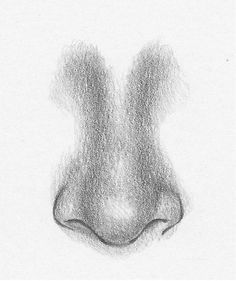
 私には信頼している人がたくさんいます。その方たちはいつも信頼に応えてくれます。皆さんもそのような人がおりますでしょう。このような方たちは私達にとって頼もしい方達です。しかし、私達は心のどこかに「人は完璧ではない」ということを認識していなければならないと思います。我々は悪気なく物事を忘れてしまったり、魔がさすようなことをしてしまったり、その日の気分や状況により感情にムラが出てきたり、自らの保身のために嘘偽りを述べたりすることがあるのです。それが鼻から息する私達です・・・。
「礼拝プログラム」、「一日一生」はこちらから。
本日の日英メッセージ原稿、おもちかえりはこちらから ↓
鼻から息する者
2017年3月5日
ユダヤ人の教育の中にこんなことがあるそうです。三、四歳くらいになりましたわが子を少し高い台の上にのせて、その子供の前に父親が立ち、腕を広げて「飛び降りなさい」といいます。子供はお父さんに向かってジャンプします。しかし、その瞬間、父は腕を引っ込め、子供は地に落ちます。高い場所ではないのでケガはしませんが、子供はドキッとするそうです。父親はニコニコしながら子供に言います。「いいかい、鼻から息する人間に全く信頼してはいけないよ。そうではなくて神に頼りなさい」私達には子供がかわいそうに思われる光景ですが、それは二千年もの間、密告を受け、財を奪われ、国を追われた民族の中から生まれた思いなのでしょう。
そして、ここでこの父親が言っています「鼻から息する者」というのは聖書、イザヤ2章22節の言葉なのです『あなたがたは鼻から息の出入りする人に、たよることをやめよ、このような者はなんの価値があろうか』。
私達は人間です。私達はこの人間ということについて色々な定義を持っています。ここに記されている「鼻から息の出入りする者」というのは我々を作られた神の側からの人間の定義です。そうです、神にとって私達は鼻から息をする者なのです。
この言葉の意味は人が創造された時にまでさかのぼります『主なる神は土のちりで人を造り、命の息をその鼻に吹き入れられた。そこで人は生きた者となった』(創世記2章7節)。このことは私達が皆、神から命の息を吹き入れられたことにより今を生かされている者であり、その命は神の御手の中にあるということを示しています。私達が死ぬ時に日本語では「息を引き取る」とか「土にかえる」と言いますが、これらはまことに正しい表現なのです。我々はこの小さな鼻の穴と口を数分、塞がれるだけで命を失う者なのです。
人はこれまで色々な功績を残してきました。しかし、それらは私達が鼻から息をしている限りのことであり、私達はそのリミットを超えることはできませんでしたし、これからもそれを超えることはできませんでしょう。我々はそのような意味で本当にはかないものです。
私には信頼している人がたくさんいます。その方たちはいつも信頼に応えてくれます。皆さんもそのような人がおりますでしょう。このような方たちは私達にとって頼もしい方達です。しかし、私達は心のどこかに「人は完璧ではない」ということを認識していなければならないと思います。我々は悪気なく物事を忘れてしまったり、魔がさすようなことをしてしまったり、その日の気分や状況により感情にムラが出てきたり、自らの保身のために嘘偽りを述べたりすることがあるのです。それが鼻から息する私達です。
このようなことを皆さんに話して人間は一切信頼するなと言っているのではありません。たとえ信頼に足る人であったとしても人である限り、その信頼に応えられないことがあるのだということを確認したいのです。そこで今日はこの「鼻から息する者」ということをテーマを見ていきましょう。
先週は大祭司であったエリの二人の息子が宮のものをかすめたり、その宮に仕えている女性と関係をもっていたゆえに、彼のイスラエルにおける霊的なはたらきがサムエルに移ったということをお話しました。しかしながら、国民から大きな尊敬を受けていたこのサムエルの息子達も同様な問題をもっており、サムエルの跡を継ぐことができず、民は彼に自分達のために王を立ててくれと求めたということをお話しました。
その時のいきさつについてこのような記録がサムエル記には記されています。民はサムエルのもとに来て『今、ほかの国々のように、われわれをさばく王を、われわれのために立ててください』(サムエル記上8章5節)と願いました。そして、サムエルはこの民の願いを神様に告げます。それに対して神様は『7「民がすべてあなたに言う所の声に聞き従いなさい。彼らが捨てるのはあなたではなく、わたしを捨てて、彼らの上にわたしが王であることを認めないのである』(サムエル上8章7節‐8節)と答え、サムエルは民に向かって「本当にそれでいいのか」と念を押すように、王が立てられた後のイスラエルがどうなっていくのかということを予めこう語りかけました。
11「あなたがたを治める王のならわしは次のとおりである。彼はあなたがたのむすこを取って、戦車隊に入れ、騎兵とし、自分の戦車の前に走らせるであろう。12彼はまたそれを千人の長、五十人の長に任じ、またその地を耕させ、その作物を刈らせ、またその武器と戦車の装備を造らせるであろう。13また、あなたがたの娘を取って、香をつくる者とし、料理をする者とし、パンを焼く者とするであろう。14また、あなたがたの畑とぶどう畑とオリブ畑の最も良い物を取って、その家来に与え、15あなたがたの穀物と、ぶどう畑の、十分の一を取って、その役人と家来に与え、16また、あなたがたの男女の奴隷および、あなたがたの最も良い牛とろばを取って、自分のために働かせ、17また、あなたがたの羊の十分の一を取り、あなたがたは、その奴隷となるであろう。18そしてその日あなたがたは自分のために選んだ王のゆえに呼ばわるであろう。しかし主はその日にあなたがたに答えられないであろう」(サムエル上8章11節‐18節)。
サムエルはそれまで王がいなかったイスラエルの民に対して、王が彼らを統治するようになった場合、どんなことが起こるかということを話しました。王はまず自分の周りに軍隊をおき、民をその兵役に就かせ、自分の戦車の前に走らせる、すなわち王のために我々は命を犠牲にしなければならなくなり、また我々の娘達は王の前に働く者となり、また王には決まったものを捧げることになるだろうというのです。これは民衆の自由を奪うような横暴な支配、また有無を言わせない重税を指しているのでしょう。そして果てには彼らは王の奴隷のような有様となり、その時になって彼らが神を求めても神はあなたがたに答えられないというのです。
以前、お話ししましたようにイスラエルの民はその時、各々、自分の目に正しいと思われることをしていました。その民達の上に鼻から息をする王が立ちましたら、その王とて人間、彼らと同じように「自分の目に正しいと思われること」、すなわち「自分が願い求めること」をし始めることは予め分かっていたことだったのです。
この忠告を聞いた鼻から息するイスラエルの民はその忠告に対してこう言いました『19「いいえ、われわれを治める王がなければならない。20われわれも他の国々のようになり、王がわれわれをさばき、われわれを率いて、われわれの戦いにたたかうのである」(サムエル上8章19節‐21節)。そしてこのことに対して神様はサムエルに言うのです「彼らの声に聞き従い、彼らのために王を立てよ」(サムエル上8章22節)。
そうです、この民の決断は全知全能なる神により頼むのではなく、鼻から息する王にこれからは頼んでいくということを言い表しています。こうしてサムエルはその名をサウルというその齢、三十となる男に油を注ぎます。「油を注ぐ」ということは当時、王や祭司の任職の際になされていた神様から直々に指示されていた儀式で、これによりサウルはイスラエルの初代の王となりました。
このサウルについて聖書は彼は『若くて麗しく、イスラエルの人々のうちに彼よりも麗しい人はなく、民のだれよりも肩から上、背が高かった』(サムエル記上9章2節)と記しています。サウルは若く、長身で目立ち、イスラエルにいる男達の中で彼よりも麗しい人はいなかったというのです。そうです、その外見において彼の姿は民の心にかないました。『人は見た目が九割』という本がかつてベストセラーとなりましたが、我々はエバが『食べるによく、目には美しく、賢くなるには好ましい』(創世記3章6節)ように見えたあの禁断の実を食べて以来、何ら進歩せず、こうしてイスラエルは史上初めて民の上に立つ王をその国に迎えたのです。
しかしながらその見た目にカリスマ性がありましても、それだけでは王とはなりえません。さらに必要なことはその王政に対する実績であり、そのことが試される時がすぐにやってきました。そう、サウルは王位についてからまずアンモン人との戦に向き合うことになりました。そして、その戦はイスラエルの勝利に終わりました。この勝利により民は彼を王として正式に迎えます(サムエル上11章)。そうです、民はサウルのデビュー戦の好成績を見て、サウルを認め、受け入れたのです。その時、民は自分達の目に狂いはなく、その決断が正しかったと思ったに違いありません。これでこの国も安泰だと思ったかもしれません。
しかし、後が続きませんでした。サウルはかねてからの宿敵であるペリシテ人の来襲を前に、動物の犠牲を神様に捧げるべくやってくる自分に油を注いだ祭司サムエルの到着を待っていたのですが、約束の時になってもサムエルが来ないので、サムエルを待ちきれずに自らその犠牲を捧げてしまったのです。その時の状況について聖書はこう記録しています。
「8サウルは、サムエルが定めたように、七日のあいだ待ったが、サムエルがギルガルにこなかったので、民は彼を離れて散って行った。9 そこでサウルは言った、「燔祭と酬恩祭をわたしの所に持ってきなさい」こうして彼は燔祭をささげた。(サムエル上13章8節、9節)。祭司とは神に任命されるもので、誰もその任務を肩代わりすることはできませんでしたので、このサウルが成したことは神様の定めを破る大きな過ちとなりました。しかし、サウルはそのことをしてしまったのです。なぜでしょうか。なぜならサムエルが来ないことを知った民がサウルを離れて散り始めたからです。彼は民が自分を離れていくことに動揺し、超えてはならない一線を越えたのです。その後、どうなったのでしょうか。
10 その燔祭をささげ終るとサムエルがきた。サウルはあいさつをしようと、彼を迎えに出た。11 その時サムエルは言った、「あなたは何をしたのですか」。サウルは言った、「民はわたしを離れて散って行き、あなたは定まった日のうちにこられないのに、ペリシテびとがミクマシに集まったのを見たので、12 わたしは、ペリシテびとが今にも、ギルガルに下ってきて、わたしを襲うかも知れないのに、わたしはまだ主の恵みを求めることをしていないと思い、やむを得ず燔祭をささげました」。13 サムエルはサウルに言った、「あなたは愚かなことをした。あなたは、あなたの神、主の命じられた命令を守らなかった。もし守ったならば、主は今あなたの王国を長くイスラエルの上に確保されたであろう。14 しかし今は、あなたの王国は続かないであろう。主は自分の心にかなう人を求めて、その人に民の君となることを命じられた。あなたが主の命じられた事を守らなかったからである」(サムエル上13章8節-14節)。
このところでサウルは再び、「民がわたしを離れていく」と述べ、さらには「宿敵ペリシテが自分達の陣営の側に集まっており、彼らはすぐにでも「自分を」襲うかもしれないということゆえに、サウルを待たずにやむを得ず自ら燔祭を捧げたと言いました。
これらから分かることは、サウルは神を畏れるということではなく、彼は人間、すなわち鼻から息する者を恐れていたということが分かります。さらには彼はペリシテが「イスラエルの民を襲う」ことを恐れたのではなく、「自分を襲う」ことを恐れたのです。彼の心にはイスラエルの民を守ろうとする王としての自覚がありませんでした。それでいて民が離れることに対して不安を感じ、彼らの心をつなぎとめようとしたのです。
これがサウルの治世の始まりであり、サムエル記は後にこのサウルの王政を統括してこのような言葉で説明をしています「サウルの一生の間、ペリシテびとと激しい戦いがあった。サウルは力の強い人や勇気のある人を見るごとに、それを召しかかえた」(サムエル記上14章52節)。サムエルから宣告を受けた後もサウルは神に目を注ぐのではなくて、彼の目に頼もしいと思われる人、すなわち「鼻から息をする者」を寄りどころとし続けたのです。
こんなこともありました。サウルがアマレク人と戦っている時、「アマレク人とその属するものを一切、そうその持ち物、牛も羊もラクダもろばも一切を滅ぼせ」という神様の命令にサウロは従わず、敵の王アガグを生け捕りとし、羊と牛の最もよいもの、肥えたものならびに小羊とすべてのよいものを惜しんで残し、価値のないものだけを滅ぼしました。これらのことに対して・・・
10その時、主の言葉がサムエルに臨んだ、11「わたしはサウルを王としたことを悔いる。彼がそむいて、わたしに従わず、わたしの言葉を行わなかったからである」。サムエルは怒って、夜通し、主に呼ばわった。12そして朝サウルに会うため、早く起きたが、サムエルに告げる人があった、「サウルはカルメルにきて、自分のために戦勝記念碑を建て、身をかえして進み、ギルガルへ下って行きました」。13サムエルがサウルのもとへ来ると、サウルは彼に言った、「どうぞ、主があなたを祝福されますように。わたしは主の言葉を実行しました」(サムエル上15章10節-13節)。
サウルを訪ねたサムエルに対して、自分のために戦勝記念碑を建てたサウルは「わたしは主の言葉を実行しました」と嘘偽りを語ります。しかし、サムエルは問います「それならば、わたしの耳にはいる、この羊の声とわたしの聞く牛の声は、いったい、なんですか」(サムエル記上15章14節)。
サウルは言います「人々がアマレクびとの所から引いてきたのです。民はあなたの神、主にささげるために、羊と牛の最も良いものを残したのです。そのほかは、われわれが滅ぼし尽しました」(サムエル記上15章15節)。
サウルはこのことは自分がしたことではなく民がしたことであり、その残した良いものは主に捧げるために残したと言うのです。「自分の力を誇示すること、」「嘘偽りを言うこと」、「民に責任を転嫁すること」、「自己正当化すること」、これらを並べ立てたサウルに対してサムエルは言います「主はそのみ言葉に聞き従う事を喜ばれるように、燔祭や犠牲を喜ばれるであろうか。見よ、従うことは犠牲にまさり、聞くことは雄羊の脂肪にまさる」(サムエル上15章22節)。
こうしてサムエルはサウルが主の言葉を捨てたので、神も彼を捨て、王位から退けられると宣告します。それを聞いたサウルはサムエルに願います。「わたしは主の命令とあなたの言葉にそむいて罪を犯しました。民を恐れて、その声に聞き従ったからです。25どうぞ、今わたしの罪をゆるし、わたしと一緒に帰って、主を拝ませてください」(サムエル上15章24節、25節)。サウルは自らの罪を認めます。そして自身の心境を「民を恐れて、その声に聴き従った」と告白します。そう、彼は鼻から息する者を恐れ、鼻から息する者の声に聴き従ったのです。
しかし、サムエルはもはやサウルの言葉を聞き入れず、その場を立ち去ろうとします。その時にサウルはサムエルにすがるようにしてこう言うのです。「わたしは罪を犯しましたが、どうぞ、民の長老たち、およびイスラエルの前で、わたしを尊び、わたしと一緒に帰って、あなたの神、主を拝ませてください」(サムエル上15章30節)。
自分は「神を恐れずに民を恐れていた」と言い表すことにより、サウルは悔い改めたかのように見えました。しかし、その告白の直後に彼がサムエルにしがみついて願ったことは「民の長老たち、イスラエルの民の前で私を尊んでください」ということでした。そうです、彼の関心は最後の最後まで鼻から息する者であり、その鼻から息する者に対して自らの面子を保とうとしたのです。これらのことにより、サウルの上に神の御手はもはやなく、彼はしばらくその王座に留まりますが、その毎日は彼に代わって油を注がれ、やがてサウルの後にイスラエルの王となるダビデへの嫉妬(サムエル記上18章6節ー9節)と恐れ(サムエル記上18章12節)、最後には悪霊が彼に臨み(サムエル記上19章9節)、彼は息子ヨナタンと共にギルボア山で死ぬのです。
「鼻から息するイスラエルの民」は自分達に必要なのは「鼻から息する王」だとサムエルに願いました。神様は彼らがご自身よりもこの「鼻から息する者」に頼ろうとする彼らの思いを受け入れ、民が王として望む外観をもった鼻から息するサウルをイスラエルの初代の王として立てます。しかし、彼は初めから最後まで神を畏れず、神により頼むことなく、鼻から息する者達だけを恐れ、鼻から息する自分を誇り、自分の過ちを鼻から息する者達へ責任転嫁し、その王政は混乱しました。そうです、イスラエルの民は鼻から息するサウルだけにより頼み、そのサウルは鼻から息する民だけを恐れたのです。両者に欠けていたことはただ一つ、神を畏れ、神により頼むということでした。
私はこれからも人を信頼し、人に寄り頼むと思います。私の人生に代えがたい喜びと希望を与えてくれたのはこの人間です。このことはこれからも変わりません。しかし、これだけは忘れないでいたいのです。人は人である限り、今日見てまいりましたように不完全なものであるということを。私が全幅の信頼を寄せている人がその信頼に応えることができないかもしれないということを。同時に私自身が誰かが私に寄せてくれている信頼に応えることができないこともありうるということを。私達はこれらのことを特別驚き怪しむことはありません。私達の思いにかなわないことがたとえあろうとも、恩が仇で返されるようなことであったとしても、鼻から息する人間である限り、それはさもありなんなのです。これらのことを何度も何度も経験して私達は導かれるのです。主こそが我らがより頼むお方であるということを。
これらから私達が導かれる結論は我々が鼻から息をする者に全幅の信頼を置くのではなく、我らの鼻に息を吹き入れられ、ゆえに生きるものとなった主に我々の信頼を置くということです。これまで見てきておりますイスラエルの民、そこにかかわる預言者や王たちの姿は私達に実にこのテーマを何度も語りかけているのです。最後にエレミヤ書の言葉をもってこのメッセージを終えたいと思います。
5主はこう言われる、「おおよそ人を頼みとし肉なる者を自分の腕とし、その心が主を離れている人は、のろわれる。6彼は荒野に育つ小さい木のように、何も良いことの来るのを見ない。荒野の、干上がった所に住み、人の住まない塩地にいる。7おおよそ主にたより、主を頼みとする人はさいわいである。8彼は水のほとりに植えた木のようで、その根を川にのばし、暑さにあっても恐れることはない。その葉は常に青く、ひでりの年にも憂えることなく、絶えず実を結ぶ」(エレミヤ17章5節ー8節)。
主に全幅の信頼を置くことにより、私達は人への信頼を失うのではありません。主に全幅の信頼を置くことにより、私達はますます互いの理解を深めることができるのです。そう、それは私達は互いに鼻から息をする人間なのだという理解であり、このことによって私達は互いの関係を正しく保つことができるのです。お祈りしましょう。
Message: “Those who have breath in their nostrils.”
Rev. Makoto Okura
March 5, 2017
They say that there is such a thing in the education of the Jews, where a father stands in front of his three or four year old child that is sitting on a somewhat high table. The father spreads his arms and says “Jump down.” The child jumps towards his father. But at that moment, the father retracts his arms and his child falls to the ground. The child isn’t injured because it is not a very high table, but the child will be shocked. The father tells his child while smiling, “Don’t trust anyone who breathes through nostrils, but trust in God instead.” We may feel sorry for the child, but that has been a serious thought born from the ethnic group that has been deprived of their wealth and country for more than two thousand years.
And the word that the father used, “Don’t trust anyone who breathes through nostrils” is taken from Isaiah 2:22 in the Bible as follows: “Stop trusting in mere humans, who have but a breath in their nostrils. Why hold them in esteem?”
We are human beings. We have various definitions about this human being. “Humans, who have but a breath in their nostrils“ mentioned here is the definition of a human being from the side of God who created us. Yes, for God we are the ones who breathe through our nostrils.
The meaning of this word dates back to when a man was created. In Genesis 2:7, it is written; “Then the Lord God formed a man from the dust of the ground and breathed into his nostrils the breath of life, and the man became a living being.” This means that we are all alive now by the breath of life from God, and our lives are all in the hands of God. When someone dies, we Japanese say “draws a breath” or “goes back to soil”, but these are truly right expressions. We are those who lose our lives just by covering our small nostrils and mouths for several minutes.
Human beings have accomplished a lot in the past, but we can accomplish things as long as we are breathing through our nostrils, and we cannot go beyond that limit. We will never be able to go beyond that limit in the future. In that sense, we are truly a fleeting existence.
I have a lot of people who I trust. They always respond to my trust. You may have such people who you trust. They are reliable people for us, but I think we must recognize in our hearts that they are also not perfect. We forget things without malicious intension, do something bad unconsciously, become emotional depending on mood and situation of the day, or state a falsehood or lie for self-protection. This is a human being who breathes through nostrils.
I am not suggesting here that you should never trust a human being at all. But, I would like to recognize that even though a person is trustworthy, as long as he or she is a human being, the person might not be able to respond to our trust. So, let’s take a close look at today’s theme: “the one who breathes through nostrils”.
Last week, I talked about Eli, the high priest, and his two sons who robbed the offerings at the temple and had relationships with the women serving the temple. Because of the incidents, the spiritual leadership of Israel was shifted from Eli to Samuel who was greatly respected by the people. However, the sons of Samuel also had similar problems and they could not succeed Samuel as the spiritual leaders. Therefore, the people asked Samuel to choose a king for them.
The event at that time is recorded in I Samuel 8:5 as follows: They said to him, “You are old, and your sons do not follow your ways; now appoint a king to lead us, such as all the other nations have.” So, Samuel told their wishes to God. In response, God said in I Samuel 8:7 as follows: “Listen to all that the people are saying to you; it is not you they have rejected, but they have rejected me as their king.” Samuel reconfirmed the people by asking, “Do you really think it is okay?”. And he prophesized to the people what will happen to Israel after the king is established in advance as follows:
He said, “This is what the king who will reign over you will claim as his rights: He will take your sons and make them serve with his chariots and horses, and they will run in front of his chariots. Some he will assign to be commanders of thousands and commanders of fifties, and others to plow his ground and reap his harvest, and still others to make weapons of war and equipment for his chariots. He will take your daughters to be perfumers and cooks and bakers. He will take the best of your fields and vineyards and olive groves and give them to his attendants. He will take a tenth of your grain and of your vintage and give it to his officials and attendants. Your male and female servants and the best of your cattle and donkeys he will take for his own use. He will take a tenth of your flocks, and you yourselves will become his slaves. When that day comes, you will cry out for relief from the king you have chosen, but the Lord will not answer you in that day.” (I Samuel 8:11-18)
Samuel talked to the people about what happens when the king rules over the people of Israel that have never had a king before. The king will first place an army around him, and will bring the people into his military service to run in front of his chariots. That is, for the king, you have to sacrifice your lives. And your daughters must work in front of the king and you will have to give the king fixed tributes. This would mean dictatorship to deprive people of their liberties, and to impose heavy taxes against the people’s wills. And at the end, you will become like slaves of the king. Then, even though the people ask the Lord for relief, the Lord will not answer them.
As I mentioned earlier, the people of Israel were doing what seemed to be right in their own eyes at that time. When the king who breathes through his nostrils is established, the king will do whatever seems to be right for his own eyes, just like other people who are human beings. From the beginning, it is predictable that the king will do whatever he wishes to do.
Against Samuel’s warning, the people of Israel, who breathe through their nostrils, answered him in I Samuel 8:19-22 as follows: But the people refused to listen to Samuel. “No!” they said. “We want a king over us. Then we will be like all the other nations, with a king to lead us and to go out before us and fight our battles.” When Samuel heard all that the people said, he repeated it before the Lord. The Lord answered, “Listen to them and give them a king.”
Yes, the decision of the people means that instead of relying on God who is omnipotent, they expressed the desire to depend on the king who breathes through his nostrils in the future. Thus, Samuel poured oil upon the 30 year old man named Saul. “Pouring oil” was a ceremony that was instructed directly by God at the time of appointing a king or a priest. Then, Saul became the first king of Israel.
About this Saul, the Bible writes in I Samuel 9:2 as follows: “ Kish had a son named Saul, as handsome a young man as could be found anywhere in Israel, and he was a head taller than anyone else.” As it is written, Saul was young, tall and prominent, and among the men in Israel there was no one more handsome than he. Yes, his appearance caught the hearts of the people. The book titled “Appearance is 90%” was once a best seller in Japan. Eve ate the fruit as written in Genesis 3:6: “When the woman saw that the fruit of the tree was good for food and pleasing to the eye, and also desirable for gaining wisdom, she took some and ate it.” Ever since Eve ate the fruit, no progress has been made in human history, and Israel welcomed the king for the first time in its history.
However, even though Saul had charisma and a good appearance, that alone could not qualify him to be a king. What is further necessary was his achievement for the monarchy. And the time for his trial came soon. Yes, Saul faced war with the Ammonites soon after he was on the throne. And the battle ended with victory for Israel. With this victory, the people officially welcomed him as their king (I Samuel chapter 11). Yes, the people accepted Saul for his achievement, watching the good work in his war debut. At that time, the people of Israel must have thought that their decision was right and the country was secure.
But, the situation did not last long. Saul wanted to give his sacrifice of animals to God before the arrival of a long-time enemy, the Philistines. Saul waited for the arrival of Samuel, the priest who poured oil on him, who was supposed to perform the ritual for the sacrifice, but Samuel did not come at the promised time. Saul could not wait for Samuel, so he performed the ritual of sacrifice by himself. The Bible recorded the situation at that time in I Samuel 13:8-9 as follows:
He waited seven days, the time set by Samuel; but Samuel did not come to Gilgal, and Saul’s men began to scatter. So he said, “Bring me the burnt offering and the fellowship offerings.” And Saul offered up the burnt offering.
The priest was appointed by God, and no one was allowed to take over the task, so what Saul did was a big mistake to break God’s command. But Saul did that. Why? Because when the people found out that Samuel would not come, they started leaving Saul. He was forsaken by the people leaving him, and crossed over a line that he should not have crossed. After that, what happened?
Just as he finished making the offering, Samuel arrived, and Saul went out to greet him. “What have you done?” asked Samuel. Saul replied, “When I saw that the men were scattering, and that you did not come at the set time, and that the Philistines were assembling at Mikmash, I thought, ‘Now the Philistines will come down against me at Gilgal, and I have not sought the Lord’s favor.’ So I felt compelled to offer the burnt offering.” “You have done a foolish thing,” Samuel said. “You have not kept the command the Lord your God gave you; if you had, he would have established your kingdom over Israel for all time. But now your kingdom will not endure; the Lord has sought out a man after his own heart and appointed him ruler of his people, because you have not kept the Lord’s command.” (I Samuel 13:10-14)
Saul once again said that “the men were scattering” and further said that “the Philistines were assembling at Mikmash, I thought, Now the Philistines will come down against me at Gilgal.” Therefore, he said that he was forced to offer the burnt offering by himself without waiting for Samuel.
What you can see from this is that Saul did not fear God, but he feared human beings, who breathe through their nostrils. In addition, he was afraid of the Philistines attacking himself rather than attacking the people of Israel. In his mind, there was no consciousness as the king to protect the Israelites. That is why he felt uneasy about the people leaving and tried to keep their hearts together with him.
This is the beginning of Saul’s reign, and Samuel later summarized the monarchy of Saul with the following words in I Samuel 14:52: “All the days of Saul there was bitter war with the Philistines, and whenever Saul saw a mighty or brave man, he took him into his service.” Even after receiving the advices from Samuel, Saul did not pay attention to God, and he continued to favor the person who seems to be reliable in his eyes, that is, “the one who breathes through nostrils”.
There was another incident. When Saul was fighting against the Amalekites, Saul did not obey God’s command to destroy all the Amalekites and their belongings, including cows, sheep, camels, and donkeys, and captured alive the enemy’s king, Agag. And he kept the best of the sheep and the cows, the lambs and all the good things, and destroyed only the unworthy things. As the consequence, what happened is recorded in I Samuel 15:10-13 as follows:
Then the word of the Lord came to Samuel: “I regret that I have made Saul king, because he has turned away from me and has not carried out my instructions.” Samuel was angry, and he cried out to the Lord all that night. Early in the morning Samuel got up and went to meet Saul, but he was told, “Saul has gone to Carmel. There he has set up a monument in his own honor and has turned and gone on down to Gilgal.” When Samuel reached him, Saul said, “The Lord bless you! I have carried out the Lord’s instructions.” (I Samuels 15:10-13)
Saul, who built a victory monument for himself, told a lie to Samuel who visited him, saying, Samuel who visited him, saying, “I have carried out the Lord’s instructions.” But Samuel asked, “What then is this bleating of sheep in my ears? What is this lowing of cattle that I hear?” Saul answered, “The soldiers brought them from the Amalekites; they spared the best of the sheep and cattle to sacrifice to the Lord your God, but we totally destroyed the rest.” (I Samuel 15:14-15)
Saul said that this was not what he did, but what the people did, and that he left the good things to offer to the Lord. What Saul told to Samuel was nothing but, “Showing his own power”, “Stating falsehoods”, “Passing responsibility to others”, and “Self-justification”. For this, Samuel told Saul as follows: told to Samuel was nothing but, “Showing his own power”, “Stating falsehoods”, “Passing responsibility to others”, and “Self-justification”. For this, Samuel told Saul as follows: “Does the Lord delight in burnt offerings and sacrifices as much as in obeying the Lord? To obey is better than sacrifice, and to heed is better than the fat of rams.” (I Samuel 15:22)
And Samuel declared to Saul that God rejected him from the throne, because he abandoned the word of God, so that God also abandoned him. After hearing that, Saul pleaded to Samuel as follows: to Samuel as follows: “I have sinned. I violated the Lord’s command and your instructions. I was afraid of the men and so I gave in to them. Now I beg you, forgive my sin and come back with me, so that I may worship the Lord.” (I Samuel 15:24-25) Saul admitted his guilt and confessed his own feeling as “I was afraid of the men and so I gave in to them.” Yes, he was afraid of those who breathe through their nostrils, and followed their voices.
But Samuel no longer listened to Saul’s words and started to leave the place. At that time, Saul again pleaded to Samuel saying, Samuel saying, “I have sinned. But please honor me before the elders of my people and before Israel; come back with me, so that I may worship the Lord your God.” (I Samuel 15:30)
By expressing that “I was afraid of the people instead of fearing God”, Saul seemed to have repented. But shortly after that confession, he wished to Samuel as “Please honor me before the elders of my people and before Israel.” Yes, his interest was to keep his face before those who breathe through their nostrils from the beginning to the end. After these things, God’s hand was no longer with Saul. Though he stayed on the throne for a while, he lived everyday with envy and fear for David who was to be anointed on behalf of Saul to become the king of Israel. (I Samuel 18:6-12) In the end, an evil spirit came upon him (I Samuel 19:9), and he died with his son Jonathan on the mountain of Gilboa.
The people of Israel who breathed through their nostrils asked Samuel for what they wanted; a king who breathes through his nostrils. God accepted their wishes to rely on a king, who breathes through his nostrils, rather than relying on God, and made Saul, who breathes through his nostrils, as the first king of Israel. Saul had the appearance that the people desired as a king, but he did not fear God from the beginning to the end. He feared only those who breathe through their nostrils, without relying on God. He was proud of himself, and passed his responsibility to those who breathe through their nostrils. And the monarchy got confused. Yes, the Israelites relied on Saul who breathed through his nostrils, and Saul feared the people who breathed through their nostrils. There was one thing missing in both, that was to fear God and to rely on Him.
From now on, I think that I will trust people and rely on them. Those who have given me the precious joy and hope in my life are human beings. This will not change from now on. But I do not want to forget this thing. As long as a person is a person, that person is not perfect. The person who I rely on may not be able to respond to my trust. At the same time, I may not be able to respond to the trust of a person who relies on me. We don’t need to be suspicious about this at all. Even if it does not comply with our thoughts, even if it is something bad in return for our good deeds, as long as it is done by a human being who breathes through nostrils, it is likely to happen. We are led by experiencing these things over and over again to the fact that the Lord is the only one who we can trust.
The conclusion that we are led to from all the things that we looked at today is to not place our confidence in those who breathe through their nostrils, but to place our full trust in the Lord who breathed into our nostrils the breath of life, and thus made us alive. The people of Israel, the prophets and the kings all remind us of this theme repeatedly. Finally, I would like to finish this message with the words of Jeremiah as follows:
This is what the Lord says: “Cursed is the one who trusts in man, who draws strength from mere flesh and whose heart turns away from the Lord. That person will be like a bush in the wastelands; they will not see prosperity when it comes. They will dwell in the parched places of the desert, in a salt land where no one lives. But blessed is the one who trusts in the Lord, whose confidence is in him. They will be like a tree planted by the water that sends out its roots by the stream. It does not fear when heat comes; its leaves are always green. It has no worries in a year of drought and never fails to bear fruit.”
By placing our full confidence in the Lord, we do not lose faith in people. By placing our full confidence in the Lord, we can deepen mutual understanding more and more. Yes, we understand that we are all human beings who breathe through our nostrils, thus allowing us to keep our relationships right with each other.
Let’s pray.
Translated by Hideyuki Honda
本日のおもちかえり
2017年3月5日
1) 『あなたがたは鼻から息の出入りする人に、たよることをやめよ、このような者はなんの価値があろうか』(イザヤ2章22節)。「鼻から息の出入りする人」という表現から私達はどんな人間をイメージしますか。(参考:創世記2章7節)。
2)自分たちの上に立つ王をイスラエルの民は求めました。それに対してその王が民にとってどんな存在になるかということをサムエル記は記しています。サムエル上8章11節‐18節を読みましょう。ここから私達はどんなことが分かりますか。このようなことは今日の世界でも見ることができますか。
3)イスラエルの初代の王、サウルについて聖書は『若くて麗しく、イスラエルの人々のうちに彼よりも麗しい人はなく、民のだれよりも肩から上、背が高かった』(サムエル記上9章2節)と記しています。私達は「見た目」によって、どれぐらいの判断をしているでしょうか(参考:創世記3章6節)
4)サムエル上13章8節-14節を読みましょう。こころからサウルは何を第一に考え、何を恐れていたことが分かりますか(参考:サムエル記上14章52節、サムエル上15章30節)。
