
 自分の出生や境遇のことで悩み、自らを卑下している方はいませんか。神は私達の出生や境遇がどんなものであるかということを承知でありながら私達を祝福してくださるお方です。
なんと単純で無駄な日々を毎日、過ごしていると思われる方はいませんか。しかし、その日々を無駄と結論づけるには早すぎます。その日々が神の御手の中にあるかぎり、神はそれを私達の将来に不可欠なものと変えてくださるお方です。
マック
「礼拝プログラム」、「一日一生」はこちらから。
本日の「日英両語メッセージ原稿」、「おもちかえり」はこちらから↓。
忠実を学ぶ生涯 2016年5月22日
私達は祭司エリから始まり、その後を継いだサムエル、またこのサムエルから油を注がれてイスラエルの初代の王となりましたサウルの生涯をこれまでみてまいりました。サウルの失敗を見ることにより、私達は自分自身を省みました。聖書には私達の「模範となるような人間」が多く記されており、また同時に「反面教師となるような人間」も数多く登場します。そして、そこから分かることは模範となる人達が同時に反面教師となるものも持ち合わせているということなのです。
今日はそんな一人であるサウルの跡を継いだイスラエル二代目の王、ダビデの生涯に私達の心を向けたいと思います。私達は先週、神様の御手はサウルから離れたということを見てまいりました。そして、その御手はエッサイの息子、ダビデに向けられます。ダビデの父エッサイはルツの息子、オべデの息子となります。ですからダビデはルツのひ孫になります。ダビデの生涯には色々なことがありましたが、それらを通して彼がどんな人間にかたち造られていったかということを今日は見ていきたいと思います。
ダビデはエッサイの八番目の末っ子であり、詩篇51篇5節にはそのダビデの言葉として『見よ、わたしは不義のなかに生まれました。わたしの母は罪のうちにわたしをみごもりました』と書かれていますから、その出生は祝福されるようなものではなかったように思われます。当時、不義のもとで生まれ、次男、三男どころか八番目の末っ子などとなりますと、これはもう箸にも棒にも引っかからない、まさしく誰からも相手にされない生い立ちと境遇にダビデはいたことになります。祭司サムエルさえも神様に示されてエッサイの家を訪ね、そこでサウルの後の王を見つける際、エッサイの長男の姿を見て「この人こそ神が示されている男だ」と思ったと聖書は記しています(その時にダビデは候補者の数にも入れられずに野で羊の面倒を見ていました)。私達が人を見る目というのは実に不確かなものであり、それゆえに私達の世界には色々なドラマが生まれるのです。
しかし神様が人になさることはコリント書に書かれているとおりです『それだのに神は、知者をはずかしめるために、この世の愚かな者を選び、強い者をはずかしめるために、この世の弱い者を選び、有力な者を無力な者にするために、この世で身分の低い者や軽んじられている者、すなわち、無きに等しい者を、あえて選ばれたのである。それは、どんな人間でも、神のみ前に誇ることがないためである』(コリント第一の手紙1章27節‐29節)。
自分の出生や境遇のことで悩み、自らを卑下している方はいませんか。自分を卑下するか否か、その主導権は私達自身にあります。でも神様は私達の出生や境遇がどんなものであるかということを承知でありながら私達を祝福してくださるお方です。自分の前に主が備えてくださっている「可能性」というドアがありながら、そのノブに生涯、手をかけることがないというようなことがありませんように。主はエッサイの八番目の子、罪の中でみごもった子であったダビデを引き上げてくださったということ、このことはダビデに限ったことではなく、そのまま私達にも当てはまるということを覚えましょう。
それまでの日々、ダビデはベツレヘムで羊飼いをしていました。他の箇所を見ます時に分かることは末っ子ゆえに兄たちの「使いぱしり」のようなこともしていたようで、そのまま行けば彼の人生はそのままベツレヘムから出ることなく静かに終っていたことでしょう。しかし、忘れられるかのようにして野で羊を飼っていたこの彼の年月こそが、実は彼がイスラエルの王となっていく時に不可欠な素地となっていました。どういうことでしょうか、そうです神様はダビデをイスラエルの王とされました。その意味するところは彼が「イスラエルの牧者」となるということであり、ダビデは実際に牧者として野に羊といる年月を過ごすことにより、イスラエルの牧者となるべくその訓練を知らぬ間に受けていたのです。彼が書きました不朽の詩篇23篇はダビデの牧者としての経験がそのバックボーンにあることは明らかでありましょう。こうして彼は神の選びを受け、その時から神の霊が彼に臨みました(サムエル上16章13節)
なんと単純で無駄な日々を毎日、過ごしていると思われる方はいませんか。しかし、その日々を無駄と結論づけるには早すぎます。その日々が主の御手の中にあるかぎり、主はそれを私達の将来に不可欠なものと変えてくださるお方です。油は必ず水面に浮きあがります。袋の中の針が隠されることはありません。
ダビデもその頭角をあらわす時がきました。ダビデの大きな転機となった出来事はイスラエルの宿敵ぺリシテ人でゴリアテというプロの軍人との一対一の戦いでした。ゴリアテは巨人で、まさしくその姿だけで人を圧倒するような男でした。そのゴリアテが日毎にイスラエルの民の前に現れてはイスラエルを罵ったのです。それに対してイスラエルの民は恐れをなして何もすることができませんでした。遂にその罵りはエスカレートしてイスラエルの神にまでおよび、それを聞いたダビデの心は義憤で燃え、彼はゴリアテの対戦者として自ら名乗りをあげるのです。
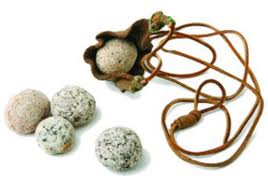
目の前に立っているゴリアテは頭からつま先まで武具を身につけた軍人です。対するダビデは戦の経験がない明らかに体格も劣る若者です。その時、ダビデは剣さえも帯びずに、ただ5つの石をもって「おまえは剣とやりと投げやりを持って、わたしに向かってくるが、わたしはイスラエルの軍の神の名によって、おまえに立ち向かう」(サムエル記上17章45節)。「またこの全会衆も主は救いを施すのに、剣とやりを用いられないことを知るであろう。この戦いは主の戦いであって、主が我々の手にお前達を渡されるからである」(サムエル記上17章47節)と言ってゴリアテの前に立ち、その最初の石を投げますとそれがゴリアテの額にあたり、ゴリアテは倒されたのです。彼は神に信頼し、この主の戦いに勝利したのです。
ここで心に留めておくべきことはダビデがこの戦いは主の戦いであり、主がダビデと戦われるということを明確に知っていたということでした。ですから、彼にはゴリアテが巨大であるということや武具を全身に身に着けているというようなことは気にとめることではなかったのです。さらにゴリアテを倒した石投げは彼が長い間羊飼いとして羊を野の猛獣から守るために修練していた彼の業でありました。そうです、それは先ほどお話ししましたように彼の単調な日々が生み出したもので、それをもってダビデはゴリアテを打ち倒すことが出来たのです。まさしく彼が投じた一つの石には「神の御手」と「ダビデの日々の経験」が込められていたのです。そう、彼は残りの四つの石を使うまでもありませんでした。まさしく主にあって彼は「勝ち得て余りある」勝利をとったのです。
私達の人生にもこのようなジャイアントが立ちはだかることがあります。私達の前にたちはだかる大きな心配(The Giant of Worry)や大きな試み(The Giant of trial)に向き合う時に、それはさながら私達の前に立ちはだかる巨人ゴリアテのようなものです。しかし、私達はそれらのジャイアントに対して主と共に勝利をとることができるのです。
こうしてダビデはイスラエルの民の間で英雄になり、その頃には既に神の御手が離れ、支離滅裂な精神状態に陥っていたサウル王に対して、ダビデに対する民の人気がこのサウルをしのぐようになり、サウルはダビデをねたんで彼の命を狙うようになり、それはエスカレートしていきサウルは執拗にダビデを殺すために追跡するようになります。ダビデはサウルから逃れる日々を送り、ある時は洞窟にいるサウルを仕留めるチャンスを得ますが、彼はサウルの命を取るような思いは自分にはないということを示すために、サウロの上着のすそだけを切り取ります。
しかし、そのことに対して『5後になって、ダビデはサウルの上着のすそを切ったことに、心の責めを感じた。6ダビデは従者たちに言った、「主が油を注がれたわが君に、わたしがこの事をするのを主は禁じられる。彼は主が油を注がれた者であるから、彼に敵して、わたしの手をのべるのは良くない」(サムエル上24章5節‐6節)と自らしたことを悔います。
覚えていらっしゃいますか、先週お話ししましたようにサウルの失脚の原因は「神を畏れず、人を恐れた」ところにありました。しかしダビデはサウルを恐れず、神を畏れたのです。「人を恐れるとわなに陥る。主に信頼する者は安らかである」と箴言(29章25節)に書かれているとおりです。そうです、私達が人を恐れると私達はあれやこれやと画策をたてます。そして、それが物事を複雑にし、混乱が生じます。そのような時に人を恐れずに主を畏れるということに徹していくと不思議と道は開かれ、その心に平安が与えられるということをダビデは何度も体験したのです。こうしてダビデはどんな境遇にあっても主を畏れることを学びました。主を畏れることこそが神の祝福を受ける道でなのす。
ダビデはサウルの在任中に、王となるべくサムエルから油を注がれましたが(サムエル上16章13節)、彼が正式な王となるまでにはさらに10年余りもの間、彼は神様から様々な訓練を受けます。サウルが亡くなれば、すぐにでもイスラエルの王となるべく自分の勢力を拡大すればよいものをと私達は考えがちですが、主はダビデにそのようなショートカットをさせませんでした。ダビデは神が備えたもう「その時」がくるまで待ったのです。そして、その年月を経て、まさしく時が満ちるかのようにして彼はイスラエルの王となったのです(サムエル下5章1節‐3節)。
王となるまでの諸々の経験によってダビデが学んだことは神を知り、人間を知るということでした。このどちらもイスラエルの王となるためには必要不可欠な経験でした。そうです、ダビデは神を見あげて歩みながら、いつも人間に向き合いました。私達の訓練はしばしば人によってもたらされるのです。彼は何度も絶体絶命というような状況に陥りました。その原因は人間でした。何せ人間こそ、自分の思い通りにならない存在なのですから。その自分の願いのとおりにいかない日々を過ごしながら、彼は常に全てのことは神の力強い御手の中にあるということを繰り返し学んだのです。ペテロ書に書かれている通りです。
6だから、あなたがたは、神の力強い御手の下に、自らを低くしなさい。時が来れば神はあなたがたを高くして下さるであろう。7神はあなたがたをかえりみていて下さるのであるから、自分の思いわずらいを、いっさい神にゆだねるがよい(ペテロ第一の手紙5章6節‐7節)。
このような年月を経てダビデはイスラエルの王となり、後33年もの間、エルサレムにてイスラエルを治めます。その年月は安泰なことばかりではなく、その間には我が子アブシャロムの謀反というようなこともありました。彼はわが子から追われるようにして都落ちし、様々な中傷を受けたのです(サムエル記下15章、16章)。私達はこれまで祭司エリと祭司サムエルの息子達が宮でなした悪行について見てまいりましたが、このところにきてダビデも子の問題を抱えていました。しかもその子が自分の命を狙っているというのですから、これはダビデにとってどんなに大きな痛みだったことでしょうか(心に留めておきたいことは反面教師であったサウルの息子ヨナタンがダビデの慰めとなり親友となったということです。父サウロには根深い問題があったのですが、その息子はダビデの理解者となり自らの命をかけて彼を支えたのです。人がどのように成長するのかということはなかなか私達には予測できないものです)。
ダビデにもその人生には二度の大きな失敗がありました。一つはバテシバの事件です。その時、イスラエルはアンモンとの戦の最中でした。それは勝ち戦であり、ダビデは自ら戦地に赴くこともなく部下をつかわして全軍を指揮させ、自分は王宮にとどまっていました。そんなある日、安らかな昼寝をむさぼり、夕暮れに床から起き、バルコニーに立ちました。眼下にはまさしく自分の国が見えます。そこはダビデにとって最も安全な場所でした。しかし、一転、そこが最も危険な場となりました。彼はそこから部下の妻、バテシバが水を浴びているのを見、彼女を王宮に呼び、姦淫の罪を犯し、彼女は彼の子を身ごもり、ダビデはその罪を隠すためにダビデに忠誠を尽くしていた彼女の夫、ウリヤを戦争の最前線に送り死なせたのです。まさしく一つの罪を隠すために、罪が上塗りされ、転がるようにして彼は罪の底に落ちました(以上、サムエル記下12章)。しかしダビデは一国の王です。部下たちに白を黒と言わせることができるような立場に彼はいます。しかし、彼はこの自分の罪を神と人の前に認め、徹底的にそれを悔い改めました。
もう一つ、彼には大きな過ちがありました。それは彼が「人口調査」を行ったということです(サムエル下24章)。人口調査の何がいけないのかと思われるかもしれません。このことには背景があります。士師記の時代にイスラエルには常備された軍隊はありませんでした。戦が起きると部族ごとに兵は召集されたのです。しかし、これでは他国との戦いに対応できず、サウルは傭兵、すなわち諸外国から兵士を募り雇いました。当初、ダビデもこの傭兵制を用いていたのですが、それではどうしても軍力の安定性に欠き、さらに行く先々の戦場で他国が有する戦車部隊を目の当たりにし、ダビデは徴兵制をしき、国の軍力を安定させようとしました。そして、その徴兵のためには人口調査が必要となったのです。その時、ダビデは自国の戦力を確認して、それを諸外国に誇示しようとする思いもあったと考えられます。こうしてイスラエルは主に信頼してそれに頼るのではなく、自らの軍力に頼る国へと移行していきます。ダビデはこのことによりその罪の賠償として三日間の疫病を受け、このことにより民の7万人の命が失われたと聖書は記しています。
バテシバの件があからさまに指摘された時、彼は悔い改めました(詩篇32篇、51篇)。人口調査をし、その民の数を数えた後、彼は心に責められ、神の前に非常に愚かなことをしたと悔い改めました(サムエル記下24章10節)。深く考えさせられることはこの二回とも彼の政策が順風満帆であり、彼の名が確固たる時に起きたのです。かえって彼がサウルに追われていたような危機の時に彼の信仰は否が追うにも引き上げられていたのです。しかし、自分の治める国の四方が平和で、自らの王位が堅固な時にその失敗は起きたのです。パウロはこのことについてこう書いています。
『12だから、立っていると思う者は、倒れないように気をつけるがよい。13あなたがたの会った試錬で、世の常でないものはない。神は真実である。あなたがたを耐えられないような試錬に会わせることはないばかりか、試錬と同時に、それに耐えられるように、のがれる道も備えて下さるのである』(コリント第一の手紙10章12節-13節)
「仁」というドラマがありましたがそのドラマで度々、聴かれる言葉に「神は乗り越えられないような試練は与えない」というのがあります。ダビデは自分以外の人によってもたらされた試練、自分が引き起こした試練、どちらも経験しました。しかし、彼はそれらの試練をとおして、神に対して忠実な王と変えられていきました。ダビデとて人の子、確かに彼も失敗を犯しましたが、彼はそれらから「神に対して忠実であり続ける」ということを学んだのです。
私達はこれまで祭司エリ、その跡を継いだサムエル、イスラエル初代の王、サウル、そして今日はイスラエル二代目の王、ダビデを見てまいりました。最初に申し上げましたようにダビデは私達の模範となるような人であると同時に、その失敗と過ちにより私達に知恵を授けてくれる人です。波乱万丈のその人生を通して彼はいかに神に忠実であることができるかということを学び続けた人です。そして同じように神様は私達に対してもダビデのようにあることを望まれます。これまでも今も、そしてこれからも私達は色々なところを通らされていくことでしょう。その中には私達が神様に対する真実を全うすることができたということもあるでしょうし、それに失敗するということもあるでしょう。主は私達をこれらのことを通して一つのところに導こうとされます。そうです、それらを通して私達もダビデのように主に忠実であり続けることを学び続けるのです。お祈りしましょう。
A Life of Learning Obedience
May 22, 2016
In the past few weeks we have taken a look at the lives of the priest Eli, his successor Samuel, and the man who Samuel anointed as the first king of Israel, Saul. From Saul’s mistakes we learned how we should examine our own lives. In the Bible we find many people who are “good examples” for us to follow, but there are also many “bad examples”. And we see that a person who is a good example may also in some aspects be a bad example.
Today I would like us to take a look at the life of one of these Biblical figures, the successor of Saul and the second king of Israel, king David. Last week we saw how God withdrew from Saul because of his disobedience. Instead God directed His favor toward David, the son of Jesse. David’s father Jesse was the son of Obed, who was the son of Ruth. This makes David Ruth’s great-grandson. David experienced many things during the course of his life and today I would like our focus to be on the kind of person he was shaped into through these experiences.
David was the eighth and last son of Jesse. Regarding his birth, David said “I was brought forth in iniquity, and in sin my mother conceived me” (Psalm 51:5, NKJV), so we can assume that his birth wasn’t particularly celebrated. In those days, being born not as the second or even third but the eighth son meant that no one took him seriously or gave him much attention. Even when Samuel was sent by God to the house of Jesse to find Saul’s successor, he saw Jesse’s eldest son and thought “Surely the Lord’s anointed stands here”, all the while David was not even considered a candidate and was left in the fields to tend the sheep. The way in which we as humans see and judge others is at best unreliable and there are many problems in the world that are caused by this.
But the way God sees and chooses us is different, as we see from these words in First Corinthians: “27 But God chose the foolish things of the world to shame the wise; God chose the weak things of the world to shame the strong. 28 God chose the lowly things of this world and the despised things—and the things that are not—to nullify the things that are, 29 so that no one may boast before him” (1 Corinthians 1:27-29).
Perhaps some of you feel a sense of inferiority because of your upbringing or the circumstances you are in right now. Whether we see ourselves as inferior or not is our own decision. But remember that God blesses us regardless of our upbringing or circumstances. I pray that our own perception of ourselves would not hinder us from reaching for the door of possibilities that God has set before us. Just as God chose to anoint and exalt David, the eight son of Jesse who was brought forth in iniquity, in the very same way He will lift us up no matter our circumstances.
Up until that time, David was just a shepherd boy in Bethlehem. When we look at other passages, it seems like he was often treated like a servant by his older brothers, and if it were not for God’s providence, he most likely would have spent his entire life there in that little town. But it turned out that those years he spent shepherding the sheep out in the fields were crucial in preparing him to become the king of Israel. God chose David to be anointed as the king of Israel. In other words he was going to become the “shepherd” of Israel, and without knowing it, he was being trained through those years he spent with the sheep in the fields. It is no question that David’s most famous psalm, Psalm 23, was based on David’s experience as a shepherd. This is how David was chosen by God, “and from that day on the Spirit of the LORD was upon [him]” (1 Samuel 16:13).
You might think that the days you are spending right now are unproductive and have no purpose. But it is a little too early to conclude that your life is being wasted. As long as these days are in the hands of God, He will turn them into something that will be essential in preparing us for our future. A time will come when the purpose of these days we are now going through will be revealed.
Now the time came for David to show what he is made of. The first big turning point of his life came when he faced Goliath, a warrior of the Philistines who were the arch enemies of Israel. Goliath was a giant whose sheer size was enough to terrify those who saw him. Day by day this giant came to defy and mock Israel. But the Israelites were too terrified to do anything about this. Goliath’s insults escalated to the point where he began mocking the God of Israel, and when David heard this, he burned with righteous indignation and stepped up to challenge Goliath.
Goliath was an experienced warrior who was covered in armor from head to toe. David on the other hand was a young man with no experience in combat and clearly smaller in stature. But without even a sword and with only a sling and five stones, David stood before Goliath and declared “You come against me with sword and spear and javelin, but I come against you in the name of the Lord Almighty, the God of the armies of Israel, whom you have defied… All those gathered here will know that it is not by sword or spear that the Lord saves; for the battle is the Lord’s, and he will give all of you into our hands” (1 Samuel 17:45,47). And with his first stone he struck Goliath on the forehead, knocking him facedown to the ground. David fought the Lord’s battle and his trust in God led him to victory.
An important thing to remember here is that David clearly knew that this battle was the Lord’s and that the Lord was with him in the battle. This is why he wasn’t concerned about his enemy being a giant or that he was covered with armor. Another thing to note is that his skill with the sling, the method he slew Goliath with, was a skill he learned as a shepherd in order to protect his sheep from wild beasts out in the fields. As mentioned earlier, the plain and simple days he spent as a shepherd taught him this skill and with this skill he was able to defeat Goliath. The force that propelled David’s stone was both the hand of God and the experience and discipline he acquired through his day to day life. We see that he didn’t even need to use the other four stones. With the Lord on his side, he came out of that battle more than a conqueror.
In our lives, there are times when we too must come face to face with a giant. When we face the giant of worry or the giant of trials, it seems like Goliath himself is standing before us. But with the Lord on our side, we can be victorious over this giant.
After this battle, David became a national hero, and compared to Saul, who by this time was no longer favored by God and has fallen into insanity, David’s popularity among his people rose and eclipsed Saul’s, and as a result Saul grew more and more resentful of David to the point where he became obsessed with pursuing and killing David. David fled from Saul and spent his days as a fugitive, and one time he had the chance to attack Saul who was caught off guard in a cave, but to show Saul that he had no desire to harm him, David only cuts off the corner of Saul’s robe.
But it says that “5 Afterward, David was conscience-stricken for having cut off a corner of his robe. 6 He said to his men, “The Lord forbid that I should do such a thing to my master, the Lord’s anointed, or lay my hand on him; for he is the anointed of the Lord”” (1 Samuel 24:5-6).
If you remember from last week’s message, the cause of Saul’s downfall was that he feared man instead of God. But David feared God and not Saul. As it says in Proverbs, “Fear of man will prove to be a snare, but whoever trusts in the Lord is kept safe” (Proverbs 29:25). When we fear other people we come up with all kinds of weird schemes. And this causes things to become even more complicated and disorderly. But David learned through these difficult situations that when he put his trust in the Lord instead of fearing man, God opened up a way for him and his heart was filled with peace. In this way David learned to fear God in all circumstances. God blesses us when we learn to fear and honor Him in all things.
David was anointed by Samuel while Saul was still on the throne (1 Samuel 16:13), but before he officially became the king of Israel, he spent another ten years in which he received further training by God. If Saul was dead, David could have instantly become king and expanded his reign over Israel, but the Lord didn’t make him take this shortcut. David waited patiently for the time which God had planned for him. And after many years, the time finally came for him to become the king of Israel (2 Samuel 5:1-3).
Through the experiences he went through before he became king, David learned about God and about people. Knowing about both God and man was absolutely necessary when it came to being the king of Israel. David learned to keep his eyes on God while at the same time having to deal with people face to face. So often we are taught by God through other people. David faced many life threatening situations and the cause was almost always people. We have no control over how other people behave. Through these situations in which he had no control over, David learned that everything was happening within God’s hands. Peter confirmed this truth when he wrote in his epistle, “6 Humble yourselves, therefore, under God’s mighty hand, that he may lift you up in due time. 7 Cast all your anxiety on him because he cares for you” (1 Peter 5:6-7).
After these years of training, David became king and ruled in Jerusalem for thirty-three years. It wasn’t always peaceful in the kingdom and during his reign, David’s own son Absalom conspired to overthrow him. When this happened, David had to flee the capital and was betrayed and humiliated (2 Samuel 15, 16). In the past weeks we saw how both the priests Eli and Samuel’s sons did evil in the temple, and here we find that David faced the same problem with his son. His own son was trying to take his life, so we can just imagine the pain and grief he was going through. Another thing we should note is that although Saul was one of Scripture’s bad examples, his son Jonathan was David’s best friend and most trusted ally. His father Saul had a deep-rooted problem, but Jonathan earned David’s confidence and even risked own his life to support David. So let us remember that we can’t make conclusions about what kind of person a child will grow up to be.
But even David made two grave mistakes in his life. The first was his incident with Bathsheba. At that time, the Israelites were at war with the Ammonites. The war was an easy victory so David didn’t even see a need to go to the battlefront and instead let his men take charge while he remained at his palace. He woke up one evening after he had a nap and walked out on the roof. From that place he could see the whole kingdom below him. It seemed liked the safest place David could be in. But it turned out to be the exact opposite. From there he saw Bathsheba, the wife of one of his soldiers, as she was bathing, and he summoned her to the palace and committed adultery with her, after which she became pregnant and to cover up this up, he deliberately sent her husband Uriah to the frontline to kill him. To cover up one sin, he glossed it over with another, and he tumbled down into a pit of his own iniquity (2 Samuel 11, 12). He was the king of Israel, so he had the power and authority to force his subjects to say and believe whatever he commanded them. But David confessed and sincerely repented of his sins before God and before his people.
David made another great mistake and this was when he took a census of his kingdom (Samuel 24). You might wonder what is wrong with taking a census. Let me explain the background. During the time of the Book of Judges, Israel didn’t have a standing army. Soldiers were gathered from each tribe every time a war broke out. But during Saul’s reign, they began recruiting foreign mercenaries in order to keep up with threats from neighboring states. David continued to employ mercenaries in his army, but as he saw the advanced weaponry used by his enemies on the battlefield, he felt that he needed an even stronger military and decided to issue a decree that is an equivalent to what we know today as the draft. And in order to do this he needed to take a census. He may have also had a desire to display his own military’s power to the surrounding nations. In this way he led Israel to depend on her own military force instead of trusting in the Lord. Because of this the Lord plagued the land for three days and it is recorded that seventy thousand people died as a result.
When he was confronted about his sin with Bathsheba, he repented (Psalm 32, 51). After he took the census and counted his fighting men, he was conscious-stricken and repented before the Lord saying he had done a foolish thing (2 Samuel 24:10). An important thing to note about these two incidents is that they both happened when his nation was secure and he had a good reputation among his people. In contrast, his faith grew stronger during times of trial like when he was being hunted by Saul. But during times of peace and prosperity, David fell into sin. Paul gives us the following warning regarding this:
“12 So, if you think you are standing firm, be careful that you don’t fall! 13 No temptation has overtaken you except what is common to mankind. And God is faithful; he will not let you be tempted beyond what you can bear. But when you are tempted, he will also provide a way out so that you can endure it.” (1 Corinthians 10:12-13)
In a Japanese TV drama called “Jin”, a very similar phrase often appeared during the story which said “God never allows a trial you cannot bear”. David experienced trials that were brought about by other people and those he brought on himself. But all of these trials shaped him into becoming a king who is obedient to God. Like us, he too was only human and made mistakes in his life, but through these mistakes he learned to keep obeying and trusting in God.
So far we have taken a look at the lives of the priest Eli, his successor Samuel, the first king of Israel Saul, and today the life of David, the second king of Israel. As mentioned in the beginning of today’s message, David is a good example for us to imitate, but at the same time made some serious mistakes from which we could also learn. Throughout his hectic life, he continued to learn how to be obedient to God. And it is God’s desire for us to be like David in our own lives. We’ve been through, are going through, and will go through many things in life. We may continue to be faithful towards God during these trials or at times fail to do so. But through all of these things we face in our lives, the Lord is leading us to one goal. That goal is that we, like David, may continue to live a life of trusting and obeying the Lord. Let us pray.
Translated by Keita Machida
本日のおもちかえ 2016年5月22日
1)詩篇51篇5節を読みましょう。ダビデが八番目の末っ子であったこと、そしてその出生にも問題があった(詩篇51篇5節)にもかかわらず、彼はイスラエルの王に選ばれました。Ⅰコリント1章27節‐29節を読みましょう。神様の選びについてあなはたどう思いますか。あなたは出生や境遇で悩んだことがありませんか。
2)誰にも目をかけられず羊の面倒を見ていたダビデの経験は後にどのようにいかされますか。羊の牧者と人間の牧者とはどんな共通点がありますか。詩篇23篇はどうして生まれたのでしょうか。
3)ダビデはぺリシテの軍人、ゴリアテに言いました(サムエル記上17章45節‐47節)ダビデはこの戦いを誰の戦いと理解していましたか。石を一発で命中させるということの背後にはダビデのどんな経験がありましたか。あなたの人生において無駄と思われる経験がいかされたということがありますか。
4)サムエル上24章5節‐6節を読みましょう。ダビデはサウルを恐れず、神を恐れました。「人を恐れるとわなに陥る。主に信頼する者は安らかである」(29章25節)ということは真理ですか。なぜですか。
5)ダビデには「バテシバ」と「人口調査」という失敗がありました。他人ごとではなく私達も日々、誘惑や試みに直面します。どうしたらこのようなことから私達は守られますか。コリント第一の手紙10章12節-13節を読みましょう。
6)私達は日々、色々なことを経験し、時には失敗もしながら神様に忠実であるということを学んでいきます(神に忠実であるということは実は最高のさいわいであり、私達を守る秘訣なのだということを学ぶのです)。あなたは今日、神に忠実であるために何が出来ますか。
