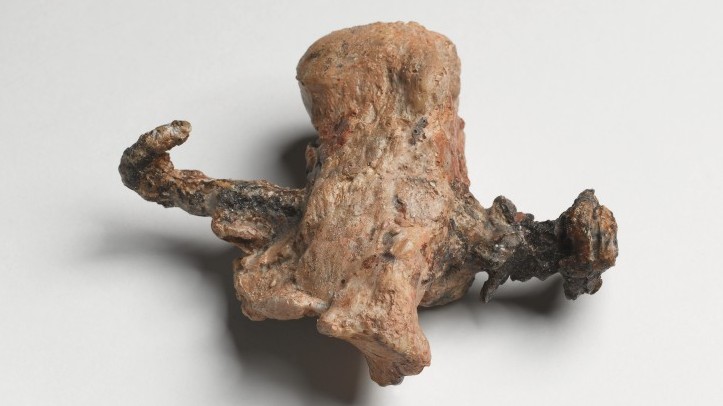
 1970年代にイエホハナン(Yehohanan)という男の名前が刻まれた骨壺がエルサレムで発見され、それは約2000年前のものであることが分かりました。その骨壺には彼の骨が収められており、その中には釘がつきささった彼の足の骨がありました。
当時、エルサレムを治めていましたローマ帝国は犯罪を犯した者やローマに謀反を起こした者たちを十字架刑に処していました。紀元前71年のスパルタの反乱の時には約6000人もの人たちが十字架にはりつけにされたと言われています。おそらくこのイエホハナンも何かしらの謀反を起こして十字架刑を受けたのでありましょう・・・。このように当時、エルサレムにおいてローマ帝国主導による十字架刑が執り行われていたことは疑いのないことで、その刑を受けた者たちの中にイエス・キリストがおりました。
マック
メッセージ音声
Podcast 購読(iTunes)
Podcast 購読(RSS Feed)
Podcast 購読(Google Play Music)
本日の日英メッセージ原稿、おもちかえりはこちらから ↓
『自分のことは分からない』
2017年4月9日
1970年代にイエホハナン(Yehohanan)という男の名前が刻まれた骨壺がエルサレムで発見され、それは約2000年前のものであることが分かりました。その骨壺には彼の骨が収められており、その中には釘がつきささった彼の足の骨がありました。
当時、エルサレムを治めていましたローマ帝国は犯罪を犯した者やローマに謀反を起こした者たちを十字架刑に処していました。紀元前71年のスパルタの反乱の時には約6000人もの人たちが十字架にはりつけにされたと言われています。おそらくこのイエホハナンも何かしらの謀反を起こして十字架刑を受けたのでありましょう。
十字架刑になる人間は当時の犯罪者ですから、その遺体はぞんざいに扱われました。釘が刺さったまま捨て置かれていた遺体もそうとうにあったようです。そのような中でこのイエホハナンはそれなりの家柄の人だったのでしょうか、その遺体が骨壺に収められました。この骨に突き刺さった釘は現在、イスラエル博物館に展示されています。
このように当時、エルサレムにおいてローマ帝国主導による十字架刑が執り行われていたことは疑いのないことで、その刑を受けた者たちの中にイエス・キリストがおりました。イエス・キリストが十字架にかけられた場所は「されこうべ」と呼ばれていた場所であったと聖書は記録しています。されこうべとはアラム語ではゴルゴダ、ラテン語ではカルバリと言い、私達も今日、そのようにこの場所を呼んでいます。
イエス様はゴルゴダにいたる前に既にローマ兵から激しいむち打ちを受けました。「パッション・オブ・クライスト」という映画の中で動物の骨や陶器の破片が取りつけてあるムチを屈強な兵士がニヤニヤしながら、渾身の力を込めてイエス様の背中に振り下ろす場面があり、イエス様の背中の皮はまさしくズタズタに引き裂かれるという場面があります。あの激しいムチ打ちを受ければ、それだけで死にいたる人もいたでしょうが、イエス様はそのムチ打ちの後に、自分が架けられる十字架を背負い、ゴルゴダまで歩かされます。イエス様は長い間、大工をしており、きっと屈強な肉体を持っていたのでしょうが、その拷問が肉体に与えたダメージは大きく、十字架を背負いながら何度も倒れながら、最後には代わりの者が十字架を背負わされたと聖書は記録しています。
ゴルゴダに着きますとイエス様が身にまとっていた衣服ははぎとられ、その場にいたローマ兵によってそれはくじ引きされました。すなわち身にまとうものが何もない全裸のような姿で、地面に横たえられた十字架の上に両手が広げられ、その手には釘が打たれました。手の平に打ちこんでも、それでは体重を支えきれずに皮膚が裂けてしまいますから、釘は手首に打ちこまれました。また足の甲は重ねられて釘が打たれました。釘は肉を裂き、そして骨を砕きました。
私達は肉眼で見ることが難しいような小さな棘が指先に刺さりますと生死がかかっているような悲鳴をあげます。そのままにしてはおけないので、それを熱した裁縫針でつつきながら取り出そうとしますが、あの時、私達の額には油汗が流れ、小さな針の先でありながら、その痛みから私達は弱音をはきます。
イエス・キリストはその手足に針ではなく、釘を打たれました。その釘は肉体に突き刺さると同時に骨を砕きました。その時から750年前に生きた預言者イザヤは明確にこの時のイエス様の様を預言しています『しかし彼はわれわれのとが(罪)のために傷つけられ、われわれの不義のために砕かれたのだ』(イザヤ53章5節)。イザヤがここで「裂かれたのだ」と書かず、「砕かれたのだ」と書いているところに、その預言が細かいところまで正確であったということが分かります。イエス様の肉は裂け、骨は砕かれ、その十字架が垂直に立てられた時、全体重が裂かれ、砕かれた部分に重くのしかかりました。
「キリスト教から連想するものは何ですか?」と問われますと多くの方達が「十字架」と答えることでしょう。そうです、教会の屋根のてっぺんに、礼拝堂の中に、聖書のカバーに、車のステッカーに、ネックレスやイヤリング、中にはタトゥーにこの十字架を入れる人たちもいます。しかし、今、お話ししましたように十字架とはそもそもギロチンや電気椅子のような処刑道具でありました。そのような意味でキリスト教とは処刑道具をそのシンボルとしているのです。言うまでもなく処刑道具とは本来、恐れの対象であり、忌み嫌うべきこと、日本風に言うならこれ以上ないほどに縁起の悪いものでありまして、シンボルやロゴとして処刑道具を用いている国、会社、団体、宗教団体を私達はキリスト教以外に知りません。ではななぜキリスト教はこの十字架を掲げているのでしょうか。
イエス様はその十字架に磔にされながら七つの言葉を語られたことが聖書には記されています。そのうちの一番、最初の言葉は「父よ、彼らをお赦しください。彼らは何をしているのか自分ではわからないのです」(ルカ23章34節)という言葉でした。そうです、イエス様が十字架の上でまず口を開いた言葉は自分を取り囲み、この十字架へと導いた者達を赦してくださるようにというとりなしの祈りだったのです。
誰かが私達に何かしらの罪、誤ちを犯したとします。その人は「ごめんなさい、おゆるしください」と私達に謝罪をします。その時になぜ「おゆるしください」と私達に言うのかと言いますと、私達はその人がしたことに対して被害・損害を受けている当事者だからです。
イエス様は十字架にいたるまで不当な裁判によって裁かれました。ムチ打たれたり、十字架にかけられるということは正当なものではありませんでした。このような場合、私達は自分をムチ打つもの、暴言をはく者、着物を奪いとる者、これらの者達を睨みつけ、「この恨み、はらさでおくべきか」。「あの世に行ったら、必ず呪って出てきてやる」と叫びかねない者です。
しかし、イエス様は自分を十字架につけた者達に対して「私はあなたをゆるす」と言ったのではなくて、父なる神に向かい「彼らを赦してください」と言われました。すなわち、イエス様はここで自分はこの人達を裁かないといことを明確にされ、人を裁くことができる唯一なるお方、父なる神に彼らを裁かないでくださいと願ったのです。そうです、最終的に神は私達を裁く権威をもっておられるからです。そして、その裁きに誤りはなく、完全なものなのです。人は完全に互いを裁くことができませんが、この世界には私達を裁くお方がいるということを私達が知ることはとても大切なことです。
私達は今、法治国家に暮らしております故に、法律が私達を裁きます。法律は文字であり、実際にその文字に照らし合わせて人を裁くのは人間です。ゆえにその裁きには限界があります。果たしてこれまで人がなしてきた裁きのうち、どれだけが完全に正しいものだったでしょうか。それは完全に公正なものだったでしょうか。裁判にいたらずとも私達は日毎、人間関係において呑み込まなければならない理不尽な出来事に直面しますでしょう。なんで悪が裁かれずに、善が咎められているのだと言うようなことを見ることもありますでしょう。
マタイはそのような人間社会の現実を踏まえて、こんなイエス様の言葉を書き残しました。26だから彼らを恐れるな。おおわれたもので、現れてこないものはなく、隠れているもので、知られてこないものはない。27わたしが暗やみであなたがたに話すことを、明るみで言え。耳にささやかれたことを、屋根の上で言いひろめよ。28またからだを殺しても、魂を殺すことのできない者どもを恐れるな。むしろ、からだも魂も地獄で滅ぼす力のあるかたを恐れなさい(マタイ 10章26節)。
イエス様のこの一言はこの世界の不完全、不公正を払しょくするものです。この思いがイエス様のお心にありましたゆえに、イエス様は十字架の上で、その権威をお持ちである父なる神に「彼らをお赦しください」と祈られたのです。そして、この祈りはそれまでの人間社会にはないものでした。なぜなら、それまでの私達人間の歴史は明らかにこのような祈りが捧げられるような状態ではなかったからです。そうです、この時までどのような時代が続いていたかと言いますとそれはやられたらやりかえす、復讐の時代だったのです。このことは聖書の中にも見受けられることで、復讐を神に祈る、そのような言葉が聖書のあちらこちらに書かれています。
『どうぞ、そのわざにしたがい、その悪しき行いにしたがって彼らに報い、その手のわざにしたがって彼らに報い、その受くべき罰を彼らに与えてください』(詩篇28篇4節)
『わたしの災いを喜ぶ者どもを共に恥じ、あわてふためかせてください。わたしに向かって誇りたかぶる者どもに恥とはずかしめとを着せてください』(詩篇35篇26節)
厳密にいいますとこの祈りは「怒りに任せた復讐」を願う言葉というよりも、「神の公平な裁きがなされるように」という切なる懇願でした。しかし、イエス様が十字架でなされた願いはその「神の裁きを願う」ものではなくて、神により明らかに裁かれるであろう者達を赦してくださるようにとその神に願うもので、このことも先ほど取り上げましたイザヤの預言の成就だったのです。
『これは彼が死にいたるまで、自分の魂をそそぎだし、とがある者と共に数えられたからである。しかも彼は多くの人の罪を負い、とがある者のためにとりなしをした』 (イザヤ53章12節)
イエス様はこのところにいたる数時間前のゲッセマネの園で、剣と棒を持ってイエスを捕らえに来た者達を前に弟子に語っています
『53わたしが父に願って、天の使たちを十二軍団以上も、今つかわしていただくことができないと、あなたは思うのか。54しかし、それでは、こうならねばならないと書いてある聖書の言葉は、どうして成就されようか』 (マタイ26章53節、54節)。
その時にイエス様はそこにいた者達を瞬く間に打ち倒すことができる天の軍勢を呼び起こすことができました。その時に捕縛されることなく、そこから立ち去ることができました。しかし、イエス様はそのことをなさいませんでした。なぜでしょうか。イエス様は言われました『54しかし、それでは、こうならねばならないと書いてある聖書の言葉は、どうして成就されようか』
そう、イエス様には天の軍勢を呼ばない理由がありました。それは、かねてから聖書に「こうならなければならない」ということが記されているからであり、そのこうならなければならないということは「自分は十字架に架からなければならない」ということだったのです。その時に十字架にいたる道が、天の軍勢の加勢によって失われてはならなかったのです。
聖書は「全ての人間は(言うまでもなくこの中には私も皆さんもおります)罪人だ」といいます。そして、私達はその罪と共に神の前に立たなければならないのです。その時に全てを存じている神を前に自分の無罪を、自分の潔白を証言できる人は一人もいないのです。そして、そうなりますと神は完全に正しいお方ですから、私達は皆、神の前に裁きを受ける以外にないのです。
その裁きが免除されることはないのです。なぜなら神の正しさ、神の義は必ず全うされるからです。しかし、イエス・キリストが私達の罪の身代わりとなり、その罰を身に負うてくださいましたゆえに、私達は神の裁きを受けることはないのです。イエス様が「こうならねばならない」と言っていることは実にこのことなのです。
主にある皆さん、「彼らをお赦しください」という祈りは誰のためだったのでしょうか。それはイエス様を裏切ったイスカリオテのユダであり、イエスをおいて逃げてしまった弟子たちでありましょう。イエスを裁き、十字架へと追いやった祭司やパリサイ人でありましょう。ピラトでありましょう。ローマ兵でありましょう。そして、イエスの十字架刑を傍観していた群衆でありましょう。
ゴルゴダには十字架を取り巻くようにして民衆がおり、町の指導者たちもいました。ルカが記している通りです。35民衆は立って見ていた。役人たちもあざ笑って言った、「彼は他人を救った。もし彼が神のキリスト、選ばれた者であるなら、自分自身を救うがよい」(ルカ23章35節)。その場所にはローマ兵達もいました。ルカは続いてこう書いています。36兵卒どももイエスをののしり、近寄ってきて酢いぶどう酒をさし出して言った、37「あなたがユダヤ人の王なら、自分を救いなさい」(ルカ23章38節)。さらにそこには多くの傍観者がいました。イエス様がその十字架の上で『彼らは自分で何をしているのか分からずにいるのです』と言われた時、実にその「彼ら」とはまさしくこれらの人たちを意味していたのです。
そして、この言葉はその時、十字架に関わった人たち、十字架を取り巻いていた人たちに限らず、私達一人一人に語りかけてくる言葉です。私達は大抵、「自分が何をしているのか分かっているのか」なんてことを自らに尋ねることはしません。それどころか、自分の事は自分が一番よく分かっていると思っており、やっかいなのは自分はそこそこ正しいと思いながら生きています。
しかしイエス・キリストが私達を見るのならば、私達は何をしているのか分からずに生きているのです。そうです、私達はこの出来事の中に私たち自身の姿を見出すのです。主イエスの「父よ、彼らをお許し下さい。彼らは自分で何をしているのか分からずにいるのです」と言う言葉は私、そして、あなたに対するイエス・キリストの言葉なのです。
イエス様はある時、それを聞いた者達に反発を受けるような言葉を大胆にも語られました。41 なぜ、兄弟の目にある塵を見ながら、自分の目にある梁を認めないのか。42 自分の目にある梁は見ないでいて、どうして兄弟に向かって、兄弟よ、あなたの目にある塵を取らせてください、と言えようか。偽善者よ、先ず自分の目から梁を取り除けるるがよい、そうすれば、はっきり見えるようになって、兄弟の目にある塵を取り除ける事ができるだろう(ルカ6章37節-38節、41節‐42節)。
私達は夢にも自分の目の前に巨大な梁があるなどとは思わないのです。しかし、イエス・キリストが私達を見るのなら、私達は自分以外の者達の塵について細かく指摘しながら、自分の目の前にある梁、すなわち大木があることには気がつかないで生きているのです。どうして、その梁があなたの目をふさいでいるのに、他の者に向かってあなたの塵を取らせてくれと言えるだろうかというのです。
私達は自分のことは何でも知っていると思います。私達はしっかり物事を見ていると思います。しかし、古の哲学者はそんな人間を観察し、自分自身を深く客観的に観察して、言いました。「汝自身を知れ」と。親は子供に注意をする度に偽善者となります。親が子に注意していることの多くは親がしてきたことであり、人とは不思議なもので、その時には自分はそのことと無関係で生きてきたんだというような顔をして子を叱るのです。自分で何をしているのか分からない親が子を育てるのですから、私達が子供を育てるためには神様の助けが必要なのです。
私達は都合のいい生き物です。あの人は「せっかちだ」と言いながら、自分には「自分は機転がまわる」と思います。「あいつはのろい」と言いながら、同じような自分に対しては「私は慎重だ」と思います。「あの人は随分、老けた」などと思いながら、自分に対しては「貫禄がついた」なんてことを思うのが私達なのです。このような矛盾に何も気がつかずに私達は自分のことは全て分かっている顔をしながら暮らしているのです。
妻や家族によりますと、私は時々、いびきをかくことがあるそうです。私は人生に二度ほど、自分のいびきの音で目が覚めたことがあり、こんな大きないびきをかいているのかと自覚したことがあるのですが、喉元過ぎれば何とかと言いますが、大抵はどんなに大きないびきをかいていても私は熟睡しており、困惑しているのは私のまわりにいる人達なのです。しかし、こんな私が誰かと同室となり、その人がいびきをかく人だ、かなり大きいらしいなどということを聞きますと、自分のことを棚にあげて「なんてこった!」と思っているのです。
かつてイエス様は「見える」という言葉を用いてかつてこう言われました。「もしあなたがたが盲人であったなら、罪はなかったであろう。しかし、今あなたがたが『見える』と言い張るところに、あなたがたの罪がある。(ヨハネ9章41節)
私達には見えていないのに、すなわち目の前に梁があって私達は真(まこと)を見ることが出来ずにいるのにもかかわらず、見ているのだと主張するところに、そう言い張るところに私達の罪があるとイエス様は指摘されました。このことは聖書に一貫している人間観でありまして、聖書の一番最後に記されているヨハネの黙示録はラオデキヤにある教会にあてて書かれたこんな言葉を私達に残しています。
17あなたは、自分は富んでいる、豊かになった、なんの不自由もないと言っているが実は、あなた自身がみじめな者、あわれむべき者、貧しい者、目の見えない者、裸な者であることに気がついていない。(ヨハネ黙示録3章17節)。
ラオデキヤは当時、金融業、毛織物、そして目薬で有名な豊かな町だったようです。ゆえに彼らは自分は富んでいる、豊かになった、なんの不自由もないと言っていましたが、神様の見方は違いました。主は言われるのです、実はあなた自身がみじめな者、あわれむべき者、貧しい者、目の見えない者、裸な者であることに気がついていない。そう、ここでも聖書は指摘するのです、実際、あなた達は自分がいかなる者であるのかに気がついていないと。
ですから黙示録は続く言葉として、私達にこう勧めているのです。18そこで、あなたに勧める。富む者となるためにわたしから火で精錬された金を買い、また、あなたの裸の恥をさらさないため身に着けるように、白い衣を買いなさい。また、見えるようになるため、目にぬる目薬を買いなさい(ヨハネ黙示録3章18節)。
言うまでもなく、ここに記されている目薬とは眼球に指す目薬ではなく、私達の霊の眼を開く目薬です。すなわち自らが盲目であることに気がつき、その盲目を治すために目薬のために代価を払いなさいというのです。しかし「買いなさい」と言われても、その目薬のために何を支払えばいいのでしょうか。自ら裸の王様であるかのように生きている、その恥をさらさないために身につける「白い衣」を得るために私達は何を支払えばいいのでしょうか。そのために、どんな代価が必要なのでしょうか。主にある皆さん、この言葉の後にどんな言葉が続くかご存知ですか。そうです、私達がよく知っているあの言葉です。
20見よ、わたしは戸の外に立って、たたいている。だれでもわたしの声を聞いて戸をあけるならわたしはその中にはいって彼と食を共にし、彼もまたわたしと食を共にするであろう。21勝利を得る者には、わたしと共にわたしの座につかせよう。それはちょうど、わたしが勝利を得てわたしの父と共にその御座についたのと同様である。22耳のある者は、御霊が諸教会に言うことを聞くがよい』」(ヨハネ黙示録3章20節ー22節)。
そう、目薬を、白い衣を買いなさい。この言葉を真剣に受けとめる人とは、自らが盲目であるということに気がついた人、神の前に自分は無知なのだということを知った者です。ゆえに思うのです、「そうだ、私にはそれが必要なのだ!」と。しかし、何をもって買えばいいのか、そんな代価を私達は持ち合わせているのだろうか。その時に聞こえるのです、私達の心の戸をたたく音を。否、その音はこれまでいつもたたかれていたのです。しかし、目の前に梁が置かれていたように、私達の耳もふさがれていて、その戸をたたく音が聞こえなかったのです。聞こうともしなかったのです。
しかし、もし、その音が聞こえるのなら、戸を開けてごらんなさいと主は言われるのです。そう、その戸の前に立っているお方こそ、イエス・キリストなのです。私達のために「彼らは何をしているのか分からずにいるのです」と祈られたイエス様です。そして、このお方はその時に白い衣を、そして目薬と持参して私達と共に食卓についてくださるのです。そうです、それらは買わなければならないものではありましたが、イエス様は既にそれをお持ちで、私達にくださるためにそれを携えてきてくださるのです。
この勧めの言葉はこのような言葉と共に終わります。『耳のある者は、御霊が諸教会に言うことを聞くがよい』(ヨハネ黙示録3章22節)。そうです、私達はキリストのからだなる教会の礼拝で主イエスの言葉を聞き、聖書の諸々の言葉に向き合っています。私達の礼拝は御霊によって毎週、導かれています。すなわち、聖霊が教会を通して、これらの言葉は今朝も私達に語りかけられたのです。
主にある兄弟姉妹、「どれだけ自分のことが分かっているのか、自分がどれだけ正しいのか」ということを私達は全知全能なる神の前に申し開きすることはできませんでしょう。ですから、民衆の心の中に私達がいるのです。祭司たちの心の中に私達がいるのです。兵士の心の中に私達がいるのです。ピラトの心の中に私達がいるのです。彼らの姿は、まさに私達の姿なのです。
私達は今朝、主イエスの祈りは私達のためであったということを確認しましょう。そして、その十字架を前にイエス様のご愛と罪の赦しを信じ受け入れいましょう。御霊が諸教会に語りかけていることを聞く者はさいわいです。お祈りします。
We Do Not Know Of Ourselves
April 9, 2017
In the 1970s, an ossuary with the name Yehohanan carved on it was excavated in Jerusalem. It is known to be from around 2000 years ago. Within it were the remans of his bones and on his heel was a nail.
Back during those times, Jerusalem was ruled over by the Roman empire, which sentenced criminals and rebels to death by crucifixion. It is said that when the Spartans rebellion occurred in 71BC, an estimated 6,000 people were crucified on the cross. This Yehohanan was most likely also convicted of some crime and put to death by crucifixion.
Those who were put on a cross were all criminals, so the bodies were treated carelessly. At times, even being abandoned with the nails still intact. Yehohanan, having been placed in an ossuary, must have been from a well-off family. This heel bone and nail is currently on exhibit at the Israel Museum.
In this way, it is undoubtably true that crucifixions happened in Jerusalem under the rule of the Roman empire. And Jesus Christ was one of the many crucified. Jesus Christ was crucified at a place called “place of the skull” a as written in the bible. In Aramaic it is called Golgotha and in Latin, Calvary as we call it today.
Before Christ was led to Golgotha, he was flogged by the Roman soldiers. There is a scene in the movie “Passion of Christ” which shows a soldier grinning as he vigorously whips the back of Jesus with a whip. The whip, having bones and sharp objects attached to the ends, rips open the skin of his back. Some may have even lost their lives by the flogging, but Jesus was made to carry his own cross after he was violently whipped to Golgotha. Jesus had been a carpenter for many years. Thus, he must have had a strong body. But the damage he bore by the flogging was great, and it is written that he carried his cross, stumbling many times, even needing a substitute to carry the cross in his place by the end.
When he arrived in Golgotha, he was stripped of his clothes and they divided among the soldiers. And so, nearly naked, he was made to lay down on the cross with his arms outstretched. His hands were nailed. The nails would not hold the weight of a body if pierced at the palm, and so the nails were driven through his wrists. His feet were overlapped and nailed. The nails tore skin, and smashed bones.
A small splinter, even one that is hard to see, can cause enough pain for us to cry out. It cannot be left as is, so we take a heated sewing needle to pick it out. In those moments my forehead drips with sweat and I complain of the pain the tiny needle end causes.
Jesus Christ was not pierced by a needle but by a nail. It did not just pierce his skin, but also crushed his bones. 750 years before this event, the prophet Isaiah precisely prophesied what would occur. “But he was pierced for our transgressions, he was crushed for our iniquities; the punishment that brought us peace was on him, and by his wounds we are healed.” (Isaiah 53:5) Here, Isaiah clearly states that he was “crushed” rather than “torn.” This shows just how precise the details of the prophesy was. Jesus’ body was torn and his bones crushed. When the cross was erected, the weight of his body weighed heavily on the torn and crushed areas.
When people are asked “What do you associate with Christianity?” Many will answer “the cross.” They can be seen on the roof top of churches, inside the sanctuary, on the cover of bibles, on bumper stickers, on necklaces and earrings, and some even as tattoos. But as we have just spoken of, the cross is an execution device much like an electric chair or guillotine. In this way, Christians have made an execution device their symbol. Needless to say, an execution device is an object of fear, detested, and “ill-omened” as Japanese people would say. There is no other country, company, organization, or religious group that uses such device as their symbol or logo. Then why do Christians raise this cross?
It is written in the bible that, as Jesus was crucified on the cross, he spoke 7 times. The first of them were the words, “Father, forgive them, for they do not know what they are doing.” (Luke 23:34) Yes, Jesus’ first words upon the cross was a prayer to forgive the people who had gathered around and had lead him to the cross.
Let’s say that someone committed a sin against you. That person will apologize saying, “I’m sorry, please forgive me.” The reason why that person will ask you for forgiveness is because you are the victim that have suffered the damage.
Jesus, before arriving at the cross, was wrongly tried and convicted. Neither the flogging nor crucifixion was justifiable. In such situation, we would look to the people who whip, accuse, and take from us our clothes with resentment, shouting, “You will pay for this grudge I hold against you!” or “even in death, I will return to curse you!”
But Jesus did not even say, “I forgive you” towards the people who put him on a cross, but “please forgive them” towards God, his Father. Here he makes it clear that he himself does not judge these people, and prays to God the Father, the one and only who can judge them, to forgive them. Yes, it is because ultimately, God has the authority to judge us, and there is no mistakes to his judgments. They are flawless. We humans cannot properly judge each other, but it is important to know that there is someone who can in this world.
As we are living in a country with a constitutional government, we are judged by its laws. The last themselves are words. And ultimately, it is humans that compare the acts of humans to the written law as judgment. And so, there is a limit to such judgment. As a result, just how much of the judgment given, have been carried out flawlessly? Were they completely fair? Even without trial, we face and have to accept many unreasonable circumstances every day due to human relationships. There are times we see that the wrong go unpunished and the righteous are blamed.
Knowing of such realities, Matthew documented the following words of Jesus. “So do not be afraid of them, for there is nothing concealed that will not be disclosed, or hidden that will not be made known. 27 What I tell you in the dark, speak in the daylight; what is whispered in your ear, proclaim from the roofs. 28 Do not be afraid of those who kill the body but cannot kill the soul. Rather, be afraid of the One who can destroy both soul and body in hell.” (Matthew 10:26-28)
These words of Jesus clears out the faulty, injustices of this world. Because Jesus knew of this from his heart, he had prayed to God the Father, who has this authority, to “forgive them.” And this prayer was something that did not exist before in human society. It is because there was no circumstance in the history of humans that such prayer could be made. Yes, until this time, it was a world of “an eye for an eye”, revenge what has been done to you. This can also be seen in the bible, as there are prayers wishing for revenge recorded here and there.
“Repay them for their deeds and for their evil work; repay them for what their hands have done and bring back on them what they deserve.” (Psalms 28:4)
“May all who gloat over my distress be put to shame and confusion; may all who exalt themselves over me be clothed with shame and disgrace.” (Psalms 35:26)
Strictly saying, these prayers were asking for “the execution of God’s impartial judgment” rather than asking for “revenge fueled by anger.” But what Jesus wished for on the cross was not for “the execution of God’s impartial judgment” but for the forgiveness of those who had clearly done wrong. This also fulfilled Isaiah’s prophesy.
“Therefore I will give him a portion among the great, and he will divide the spoils with the strong, because he poured out his life unto death, and was numbered with the transgressors. For he bore the sin of many, and made intercession for the transgressors.” (Isaiah 53:12)
A few hours before this event, at the Garden of Gethsemane, Jesus told his disciples as the men came to arrest him, “Do you think I cannot call on my Father, and he will at once put at my disposal more than twelve legions of angels? But how then would the Scriptures be fulfilled that say it must happen in this way?” (Matthew 26:53-54)
At that very moment, Jesus could have called fourth a heavenly force of angels to defeat the people before him. He could have avoided arrest, and walked away. But Jesus did not. Why was this? He said, “But how then would the Scriptures be fulfilled that say it must happen in this way?”
Yes, there was a reason why Jesus did not call down a force from heaven. Because it had already been inscribed that “this must happen.” What must happen was that “I must be put on the cross.” And so, the road to the crucifix must not be altered by the legion of angels.
It is written in the bible that, “All humans(including every one of us here) are sinners.” And we must stand before God with our sins. There is no one out there that can prove their innocence before the all knowing God. And because he is flawless in his judgment, we have no other option than to accept God’s judgment.
There is no way to be exempt from his judgment. That is because his righteous judgment will be carried out. But Jesus bore all of our sins and took our place as a sacrifice by accepting the punishment, so that we may not suffer the consequences. This was exactly what Jesus had said that “must happen.”
Dear brothers and sisters in Christ, who was that prayer by Jesus to “forgive them” for? It was for Judas of Iscariot who had betrayed Jesus, for the disciples who had fled leaving Jesus. For the Palestinians and Priests who convicted Jesus and sent him to the cross. It was for Pilot. For the Roman soldiers. And for the crowd that watched the crucifixion of Jesus.
At Golgotha, the people surrounded the crucifixes along with the town leaders. It is as Luke had written. “The people stood watching, and the rulers even sneered at him. They said, “He saved others; let him save himself if he is God’s Messiah, the Chosen One.”’ (Luke 23:35)
There were also Roman soldiers present, as Luke continues, “The soldiers also came up and mocked him. They offered him wine vinegar and said, “If you are the king of the Jews, save yourself.”’ (Luke 23:35,37) And there were even more spectators. When Jesus said on the cross, “For they do not know what they are doing” he meant this about these people.
And these words not only apply to those who were present at the cross, but also to each and every one of us. We don’t usually ask ourselves, “Do you know what you are doing?” On the contrary, we tend to believe that we know what’s best all the time, and live believing this.
But to Jesus Christ, we live not knowing what we are doing. Yes, we can see ourselves through this event. The words, “Father, forgive them, for they do not know what they are doing.” are from Jesus and aimed directed at us.
Jesus had also once boldly spoken of something which brought about great opposition by those who heard it. “Why do you look at the speck of sawdust in your brother’s eye and pay no attention to the plank in your own eye? How can you say to your brother, ‘Brother, let me take the speck out of your eye,’ when you yourself fail to see the plank in your own eye? You hypocrite, first take the plank out of your eye, and then you will see clearly to remove the speck from your brother’s eye.” (Luke 6:41-42)
We do not even think that there could possibly be a plank in out own eyes. But how Jesus Christ sees us, we live pointing out the speck in the eyes of anyone but yourself, meanwhile, never seeing the plank in our own. How could we say, “let me take the speck out of your eye” while being blinded by your own plank.
We think that we know everything about ourselves. We think that we can see situations clearly. But philosophers from long ago have objectively observed thus ways of us humans and have said, “Know thyself.” Even when a parent warns their child, they are a hypocrite. Many of the things they are warned against have been done by the parents themselves. We humans are strange in that we pretend to have lived with no association with the certain issue we warn and scold our children for. A parent who does not know what they are doing is raising a child, so we are in need of God’s help.
We are convenient living beings. We call someone “hasty”, while calling ourselves “clever.” We call others “dull” while calling ourselves in the same situation “careful.” We say that others have “grown old” while talking about ourselves as having become “more dignified.” We live without noticing such contradictions while believing that we know everything.
According to my wife and kids, I occasionally snore. I have woken up from my own snoring about twice in my life, realizing just how loudly I snore. But even knowing this, no matter how loudly I snore, I am sound asleep. And the only ones inconvenienced are my family members. But if I were to share a room with someone else who snores loudly, I would put my own realities aside and think, “What a person!”
Jesus had once talked about “sight” in the following way. “If you were blind, you would not be guilty of sin; but now that you claim you can see, your guilt remains. (John 9:41)
Jesus pointed out that we have sin in the fact that even though we are unable to see, we claim to be able to. Even when there is a plank in our eyes, we are unable to see this truth and claim otherwise. This is a human observation that is consistent throughout the bible, and the following words were written to a church in Laodikeia as written in the book of Revelations.
“You say, ‘I am rich; I have acquired wealth and do not need a thing.’ But you do not realize that you are wretched, pitiful, poor, blind and naked.” (Revelations 3:17)
Laodikeia was a prosperous city well known for their banking, wool, and eye medicine at the time. Thus, they believed that they were prosperous and without any discomfort in life. But in God’s eyes, this was not true. He says that they do not realize that they are wretched, pitiful, poor, blind, and naked. Again, the bible clearly points out that we do not realize our own state of being.
And so, the words of the book of Revelations continues by advising us, “I counsel you to buy from me gold refined in the fire, so you can become rich; and white clothes to wear, so you can cover your shameful nakedness; and salve to put on your eyes, so you can see.” (Revelations 3:18)
It goes without saying that the salve eye medicine mentioned here is not for our physical eyes, but to open the eyes of our soul. In other words, we must realize that we are blind, and pay the price for the eye medicine that will cure our blindness. But even if we are told to “buy” such an item, what must we pay in return? And what must we pay to buy the white clothes we must wear to cover our shameful nakedness? What is the price? Dear brothers and sisters, do you know what words follow? Yes, the words we know well.
“Here I am! I stand at the door and knock. If anyone hears my voice and opens the door, I will come in and eat with that person, and they with me.
To the one who is victorious, I will give the right to sit with me on my throne, just as I was victorious and sat down with my Father on his throne. Whoever has ears, let them hear what the Spirit says to the churches.” (Revelations 3:20-22)
Yes. Buy the medicine and white clothes. Those who accept these words in all seriousness are those who have accepted the fact that they are blind; that they are ignorant. And thus they think, “This is what I need!” But what are we to buy them with? Do we have something of such worth? That is when we hear a knock on the door of our heart. No, the truth is that this knocking sound had always been there. But much like the plank, we were also deaf to the sound. We did not even try to hear.
But if we can hear this sound, the Lord tells us to open the door. Yes, the one standing there is Jesus Christ. Jesus, who had prayed for us saying, “They do not know what they are doing.” And with the white clothes and medicine in hand, he will come in to dine. Yes, these things needed to be bought but Jesus had already prepared and brought them to us.
These words of counsel end with the following. “Whoever has ears, let them hear what the Spirit says to the churches.” (Revelations 3:22) Yes, we are gathered as the body of Christ in this worship service to hear the words of Jesus our Lord, and to face the words written in the bible. Our services are led every week by the Holy Spirit. In other words, the Holy Spirit has spoken to us again this morning through this church.
Dear brothers and sisters in Christ, we cannot defend ourselves before God on “how much we know of ourselves” or “how right we are.” Therefore, we exist in the hearts of the crowd of spectators. We exist in the hearts of the priests. We exist in the hearts of the soldiers. We exist in the heart of Pilate. Their image is of our own.
Let us confirm every morning that Jesus’ prayer was for us. And let us accept his love and forgiveness as we stand before the cross. Blessed are those who listen to the words from the Holy Spirit to the churches. Lets pray.
Translated by Shirah Vogt
本日のおもちかえり
2017年4月9日
1)十字架刑を思う時にその過酷さはどこにありますか。なぜローマ帝国は十字架刑を採用していたと思いますか。
2)イザヤ53章を読みましょう。特にあなたの心に語りかけてくる御言葉はどれですか。『しかし彼はわれわれのとが(罪)のために傷つけられ、われわれの不義のために砕かれたのだ』(イザヤ53章5節)から手首、足の甲の骨が砕かれる痛みというものを考えてみましょう。あなたは自分に敵対する者の身代わりとなり、この刑を受けることができますか。
3)イエス様が十字架にはりつけにされながら「父よ、彼らをお赦しください。彼らは何をしているのか自分ではわからないのです」(ルカ23章34節)と言われました。「私達は何をしているのか分からない」ということは正しいですか。「何をしているのか分からない」とはどんな意味なのでしょうか。
4)マタイ 10章26節‐28節を読みましょう。人を恐れる必要がありますか。なぜですか。なぜ、私達は神を恐れるべきなのでしょうか。
5)マタイ26章53節、54節を読みましょう。この言葉はゲッセマネの園でイエス様を捕えにやってきた者達の前でイエス様が言われた言葉です。十字架を避けることができたにもかかわらずイエス様はなぜ十字架への道を歩まれたのでしょうか。それは誰のためですか。このことを知る時に私達は心にどんな思いをもちますか。
6)ルカ6章37節-38節、41節‐42節を読みましょう。この言葉は正しいと思いますか。私達はどれほど自分のことが分かっているのでしょうか。
7)ヨハネ9章41節を読みましょう。「見えると言い張るところに罪がある」ということはどういうことでしょうか。
8)ヨハネ黙示録3章20節ー22節を読みましょう。私達に必要なことは何でしょうか。あなたはこの「白い衣」と「目薬」が欲しいですか。どうしたらそれを得ることができますか。
