
 私達が住むこの世界には無数の宗教があります。その多くの宗教は自然発生的なアニミズムから生まれています。アニミズムとは生物、無機物を問わずに全てのものの中に霊魂、もしくは霊が宿っているという考え方で「きつね」や「猿」のような動物から「燃える火」、「大きな岩」等、私達の周りにあるあらゆるものが崇拝の対象となります。宗教の発生を分類しますとこのアニミズムから発生している宗教というものがそのほとんどを占めています。
しかし、イスラエルの民が歩んだ道は最初からこれらのアニミズムとは異なり、とてもユニークなものでした。すなわち今から約3500年も昔、イスラエルの民が400年もの間、エジプトに奴隷となっておりました時代に、神はイスラエルの民と「契約」を結ぶことにより、彼らは神の民となったのです。ここで私達がよくよく心に留めなければならないことは、そもそも契約というのは二方においてなされるもので、彼らは自らの自由な意思と共にその契約を「熟慮」し、そして「選択」したのです。言い方を変えれば、彼らには最初からその契約を拒む自由があったということです。さらに一度、その契約を受け入れたからには双方に「責任」が生じるということは明らかなことです。
アニミズム的な多神教が全盛であった時代にこの契約という概念により、自ら考え、決断し、その契約とそれに伴う責任を彼らが選択したということは世界において前代未聞の異例な出来事でした。このことを考えますと、もうその最初のスタートからイスラエルの民は世界の諸々の民族とは全く異なるスタートを切っていました。多くの民族が月星を拝んでいる時に、彼らはそれらとは全く異なる信仰を持ち始めていたのです。そして彼らの先祖に神様が与えられた契約の中心に置かれたものは神の律法であり、律法とはすなわち神様と人との間の「言葉」による取り交わしだったのです。
このようなことを知りますと、ユダヤ人が色々な分野で功績を残しているとはよく言われることですが、彼らがなぜそのような功績を残しているのか、その理由もこの始まりを考えれば、彼らはそうなるべくしてなったのではないかと思わされます。知識とか知恵というものは全て「言葉」を媒介するものだからです。
本日、礼拝でお話した「日英両語メッセージ原稿」、および「本日のおもちかえり」です。↓
マック
心にあるものは奪われない
箴言7章1節-5節
2014年3月16日
1わが子よ、わたしの言葉を守り、わたしの戒めをあなたの心にたくわえよ。2わたしの戒めを守って命を得よ、わたしの教を守ること、ひとみを守るようにせよ。3これをあなたの指にむすび、これをあなたの心の碑にしるせ。4知恵に向かって「あなたはわが姉妹だ」と言い、悟りに向かっては、あなたの友と呼べ。5そうすれば、これはあなたを守って遊女に迷わせず、言葉巧みな、みだらな女に近づかせない(箴言7章1節ー5節)。
ここには「わたしの戒め」「わたしの言葉」「わたしの教え」と書かれています。この主語は誰かと言いますと、この箴言を書いたソロモンです。彼は私の言葉、戒め、教えを守り、それを心に留めなさいと言います。このような聖書の言葉に向き合う時に、私達が心に留めておくべきことは、「わたし」という言葉の背後にソロモンを通して私達に語りかける神様のみ心があるということです。すなわちこれらの言葉はソロモンの言葉であると同時に、それは神様が私達に対して語っている戒め、教えでもあるということです。
私達の手足や首はトレーニングによって鍛えることができます。しかし、鍛えられない体の器官があります。その最たるものが目です。目は体の中で最も繊細な器官であり、それゆえに常に瞬きと涙により湿っている必要があり、また外的なものから守られる必要があります。足を踏ん張れと言いますが、目を踏ん張れとは言いません。目は守らなければならないものだからです。ソロモンは私達が目に注意を払い、それを大切に守るように、わたしの教えを守りなさい、それを片時も離すことのないようにあなたの指に結び、心の碑にしるしなさいというのです。そうすれば、これはあなたを守って遊女に迷わせず、言葉巧みな、みだらな女に近づかせないというのです。その教えと戒めは巧みな言葉で私達に近寄る遊女の誘(いざな)いからもあなたを守るというのです。
ソロモンはまたこうも言いました『10あなたがたは銀を受けるよりも、わたしの教を受けよ、精金よりも、むしろ知識を得よ。11知恵は宝石にまさり、あなたがたの望むすべての物は、これと比べるにたりない』(箴言8章10節-11節)。この銀よりも、金よりも宝石よりも知恵を大切にせよというのは、ここだけではなく、他のところにも書かれています。彼は言うのです、あなたがたの望むすべての物は、この知恵と比べるに足りないのだと。
私達が住むこの世界には無数の宗教があります。その多くの宗教は自然発生的なアニミズムから生まれています。アニミズムとは生物、無機物を問わずに全てのものの中に霊魂、もしくは霊が宿っているという考え方で「きつね」や「猿」のような動物から「燃える火」、「大きな岩」等、私達の周りにあるあらゆるものが崇拝の対象となります。宗教の発生を分類しますとこのアニミズムから発生している宗教というものがそのほとんどを占めています。
しかし、イスラエルの民が歩んだ道は最初からこれらのアニミズムとは異なり、とてもユニークなものでした。すなわち今から約3500年も昔、イスラエルの民が400年もの間、エジプトに奴隷となっておりました時代に、神はイスラエルの民と「契約」を結ぶことにより、彼らは神の民となったのです。ここで私達がよくよく心に留めなければならないことは、そもそも契約というのは二方においてなされるものでして、イスラエルの民は自らの自由な意思と共にその契約を「熟慮」し、そして「選択」したのです。言い方を変えれば、彼らには最初からその契約を拒む自由があったということです。さらに一度、その契約を受け入れたからには双方に「責任」が生じるということは明らかなことです。
アニミズム的な多神教が全盛であった時代にこの契約という概念により、自ら考え、決断し、その契約とそれに伴う責任を彼らが選択したということは世界において前代未聞の異例な出来事でした。このことを考えますと、もうその最初のスタートからイスラエルの民は世界の諸々の民族とは全く異なるスタートを切っていました。多くの民族が月星を拝んでいる時に、彼らはそれらとは全く異なる信仰を持ち始めていたのです。そして彼らの先祖に神様が与えられた契約の中心に置かれたものは神の律法であり、律法とはすなわち神様と人との間の「言葉」による取り交わしだったのです。
このようなことを知りますと、ユダヤ人が色々な分野で功績を残しているとはよく言われることですが、彼らがなぜそのような功績を残しているのか、その理由もこの始まりを考えれば、彼らはそうなるべくしてなったのではないかと思わされます。知識とか知恵というものは全て言葉を媒介するものだからです。
先ほど、モーセの時代の多くの民族の宗教は火や岩を神々として拝む原始的アミニズムであったと言いました。実際にモーセも荒野で「燃える柴」に対峙し、同じく荒野で「不思議な岩」に向き合いました。その燃える柴の火は燃え尽きず、モーセが杖で打った石からは水が溢れ出たと聖書は書いていますから、その「柴が燃えた場所」とか「岩」はイスラエルの民の崇拝の対象になりかねないものだったでしょう。しかし、彼はそれらのものには目もくれず、その柴が燃えている時に、岩をたたいた時にモーセに語られる神の言葉だけに耳を傾け、それを書き留めたのです。
もう既にお分かりんのように、このようなところから始まったユダヤ教、キリスト教共に両者は「言葉」をその信仰の中心におくのです。実にこの言葉こそが今日、見ております箴言の「戒め」であり「教え」なのです。それは「いい感じ、厳かな感じ」というようなフィーリング、情緒ではなく、まさしく具体的に私達の心にダイレクトに語りかけてくるものなのです。その言葉の鋭さはへブル書に記されている通り、まさしく私達の精神と霊魂に語りかけ、私達の心を見分ける力があるものなのです『神の言は生きていて、力があり、もろ刃のつるぎよりも鋭くて、精神と霊魂と、関節と骨髄とを切り離すまでに刺しとおして、心の思いと志とを見分けることができる』(へブル4章12節)。
聖書の中で詩篇119篇は断とつで最も長いものでこの1篇だけで9ページ、176節の言葉が記されています。そして、その詩篇119篇には他の聖書箇所がどれももっていない特徴があります。すなわち、そこには数節の例外を除き、一節に必ず一つ「言葉」とか「戒め」とか「諭し」、さらには「教え」という言葉が含まれているのです。すなわち、聖書中最も長い119篇がくどいほどに何度も何度も私達に語りかけていることは、神の言葉に生きるということが私達にとってどんなに大きな祝福かということなのです。ソロモンが金や宝石よりも知恵を大切にしなさい、私達が何を望むとしても、この知恵に比べたらそれらは取るに足らないものなのだからと言っている、その理由がその119篇には繰り返し、繰り返し記されているのです。たとえば;
『若い人はどうしておのが道を清く保つことができるでしょうか。み言葉にしたがって、それを守るよりほかにありません』(詩篇119篇9節)。
『わたしはあなたにむかって罪を犯すことのないように、心のうちにみ言葉をたくわえました』(詩篇119篇11節)
『わたしはあなたのさとしを求めたので、自由に歩むことができます』(詩篇119篇45節)
『あなたのみ言葉はわが足のともしび、わが道の光です』(詩篇119篇105節)
若い人がおのが道をきよく保つためには、主の言葉に従うことだ。私達が罪を犯すことを免れるためには心のうちに主の言葉をたくわえることだ。自由とは私達が主のさとしを求めて生きることなのだ。私達の人生の旅路、たとえその一寸先は闇であっても、その足元を照らすのは主のみ言葉だということです。これ以外にも主の言葉に生きることがどんなに私達にとって大切であるかということがこの詩篇119篇には数多く書かれており、それゆえにこの主の言葉は金や宝石よりもはるかに尊いのです。
全てのユダヤ人というわけではありませんが、この言葉と共に生きてきたユダヤ人は、その言葉に対する思いや信仰において今も徹底しています。そして、それはこれまでこの民族が歩んできた歴史がそのように彼らを導いたと言えるでしょう。ご存知のようにユダヤ人の歴史は迫害の歴史でした。彼らは世界に散らされ、行く先々で迫害を受けました。一つの土地に落ち着き始めたと思ったら、その場所を出ていかなければならないようなことを何千年も繰り返してきた彼らにとって、彼らが所有できるものは唯一、彼らの心と頭の中にあるものだけでした。迫害者であろうとも彼らの頭や心の中にあるものまで、「それをここに置いていけ」とか、それをこじ開けて奪うことができなかったからです。生きている限り、たとえどこに監禁されても、自由を失っても彼らは知恵、すなわち神の言葉を保持することができたのです。
ゆえに、このような“追われる歴史”を通して彼らが行く先々で最も力を注いだのが子供に対する教育であったということは必然的なことでした。律法の解説書であるタルムードにはすべての町に学校を作ることが定められ、紀元前からほとんどのユダヤ人は読み書きができたと言います。他の文明国と比較してこれは驚異的なことでした。ユダヤ人の子供が五歳になりますと、親は律法の書のページに蜜を一滴垂らして、子供に口づけさせるという儀式を行うといいます。詩篇119篇103節に『あなたのみ言葉はいかにわがあごに甘いことでしょう。蜜にまさってわが口に甘いのです』とありますように、律法を学ぶことこそが、最もスィートな甘いことなのだということを教えるためです。子供の教育を宗教的義務にする、そのような宗教もまたそれを奉ずる民族もユダヤ人以外にはいません。
ユダヤ人のタルムードにはこんな言葉があるそうです「もし生活が貧しくて物を売らなければならないとしたら,まず金,宝石,家,土地を売りなさい.最後まで売ってはいけないのは本である」。この言葉は本は金、宝石、家、土地よりも価値あるものだということで、明らかにこの言葉の背景には今日、見ておりますソロモンの箴言があることが分かります。そしてユダヤ人が言うところの、この場合の本とは、律法の書であり、クリスチャンとして考えるのならそれは聖書なのです。
「金」、「宝石」、「家」、「土地」に共通するものは何でしょうか。それはその価値が変動するということです。言うまでもない、これらには全てその「価値の相場」というものがともないます。そして、これらはいつも私達と共にあるわけではありません。私達と共にあるわけではないというのは、文字通り、どこに行くにも私達と共にあるというわけではないということです。そして、これらは必ず朽ちていくものです。かたちあるもの、目に見えるものは、必ず古び、やがてはなくなるものです。さらに、これらのものは全てお金で買えますが、知恵だけはお金で買うことができません。
この世界に生きていますと、クレジットカードでは解決できない問題に何度も直面します。ここぞという時にグーグルが私達の全ての疑問に答えてくれるとは限りません。問題があれば弁護士を通してくれと言いますが、弁護士が取り扱う問題は人生に抱える私達のほんのわずかな問題です。 私達は誰しもこの地上で永久に生きるものではありません。年齢を重ねるということは肉体的に弱さを感じるようになります。もしかしたら病床に伏すということもあるかもしれません。その時に私達ができることは限られてくることでしょう。その時には自動車やランニングシューズは必要でなくなり、コンピューターも無用となることでしょう。その時に私達の身の周りに置くことができるものはそう多くはありません。そもそも、見えるもの、触れることができるものだけでこの人生を歩んでいくということ自体に無理があります。
このような時に必ずいつも私達と共にあるものは何でしょうか。自分自身です。イコール、私達の心です。私達が何かを蓄える時に最も安全な場所は私達の心です。ここには何人も近寄ることができませんし、それに触れることはできません。人は私達を力によってねじ伏せたり、私達の住む場所を奪ったり、財産を奪ったりすることはできるかもしれせんが、何人も私達の心に触れることはできないのです。そこに私達は知恵、すなわち神の言葉を蓄えるのです。そこにその言葉がある限り、それは必ず私達を支え、助け、そして多くの喜びと楽しみを与えてくれます。私達のガレージの収容スペースには限りがありますが、私達の心のスペースは無限であり、私達がとこに行っても、どこに住んでもそれは私達とともにあるのです。
毎週お配りしていますが、皆さんのお手元に「一日一生」という今週一週間分の聖書通読の手引きがあると思います。なぜこの「一日一生」は毎週、皆さんに配られるのでしょうか。なぜなら、私達は過ぎ去った過去にも未来にも手を出すことができず、今日というこの一日だけが私達が自分の言動をもって何かをすることがゆるされた一日だからです。その一日に一章の聖書の言葉を読むということ、その言葉を継続的心に蓄えていくためです。
また「本日のおもちかえり」というものも毎週、お配りしています。これは、礼拝に出席された方達へのお土産です。礼拝で聞いた聖書の言葉を、もう一度、反芻して自分のものとするためにお持ちかえりしていただいています。中には家に帰る前にこのお持ち帰りを皆で学んでいる方達がいます。人は聞いた話をすぐに忘れますから、まだそれが心に残っている内に、それを互いに分かち合うことによってまさしく主の言葉がその方々の血となり肉となることでしょう。「一日一生」にしても「本日のおもちかえり」にしても、これらの事を通して誰も侵害することができない私達の心の碑に聖書のみ言葉が確かに刻まれているのです。
牧師が、皆さんを手とり足とり牧会していたのでは、まだまだ私達は本来あるべき姿に至ってはいません。もちろん、始まりはやわらく噛み砕いた聖書の言葉という糧が与えられることでしょう。しかし、大人になっても離乳食を食べている人がいないように、また健康上の理由を除いて、その口まで食事を運んでもらっている大人もいないように、私達も一人一人が各々、直接、神様のみ言葉によって養われてはじめて本当の意味で御言葉と共に歩む、御言葉によって日毎に生きることができ、そのことによって私達のクリスチャンライフは確立されていくのです。
この礼拝堂に今朝、集っている方の数だけの人生があります。それは皆、違います。しかし見る限り、多くの方達はもう既にその折り返しを過ぎていらっしゃるように見受けられます。さてさて、この限りある生涯、何をして過ごしましょう。何かこれから蓄えようとお考えになっているものがありますか。もう何もすることなんかありませんよという方もいるかもしれません。
そんな皆さんに今日からできる提案です。そのために必要なものは一冊の聖書です。それを開いて、その御言葉に親しみましょう。天来の知恵をいただきましょう。ソロモンは言いました『知恵の初めに、知恵を得よ。あなたのすべての財産をかけて、悟りを得よ 』(箴言4章7)。
私達の人生を振り返れば、その多くは私達が見聞きすることに一喜一憂するような歩みであったのではないかと思います。しかし、これからはその人生の表層だけに目を置くのではなく、天来の知恵によって、新しい目をもって私達の日々の歩みを見つめてみようではありませんか。これまでの歩みにより、きっと皆さんはあれもこれも色々と手広くなさったことでしょう。しかし、これからは広さではなく、その深さに目を留めようではありませんか。そのために、どんな犠牲を払ってでもこの天来の知恵を得るということ。そのすべての財産をかけてでも、天来の悟りを得ることに努めようではありませんか。お祈りしましょう。
“What is in Your Heart Cannot Be Taken Away”
Proverbs 7:1-5
March 16, 2014
1 My son, keep my words and store up my commands within you. 2 Keep my commands and you will live; guard my teachings as the apple of your eye. 3 Bind them on your fingers; write them on the tablet of your heart. 4 Say to wisdom, “You are my sister,” and to insight, “You are my relative.” 5 They will keep you from the adulterous woman, from the wayward woman with her seductive words. (Proverbs 7:1-5)
Here we see the phrases “my words”, “my commands”, and “my teachings”. These words belong to Solomon, the author of this Book of Proverbs. He tells us to keep his words, commands, and teachings in our hearts. As we read this kind of passage, we must remember that when Solomon says “my words”, it is actually God communicating His will to us through Solomon. Therefore, while being the words of Solomon, these are also the commands and teachings that God Himself is giving us.
Our arms, legs, or neck can be strengthened through training. But there are parts of the body that cannot be trained. The best example of this is the eyes. The eyes are one of the most delicate organs of the body, as they need to be kept from drying up by constant blinking and tear flow, and be protected from outside objects. When we hear the phrase “brace yourself”, we usually don’t think of using our eyes. This is because the eyes need to be protected. Solomon tells us to guard his teachings in the same way we take great care to protect our eyes, and to bind them on our fingers and write them on the tablet of our hearts. He says if we do this, it will keep us from the adulterous woman, from the wayward woman with her seductive words. He says these commands and teachings can protect us from the adulterous woman and her crafty words.
Solomon also said: “10 Choose my instruction instead of silver, knowledge rather than choice gold, 11 for wisdom is more precious than rubies, and nothing you desire can compare with her”(Proverbs 8:10-11). In this passage and others, he tells us to value wisdom more than silver, gold, or rubies. He says that nothing we desire can compare with this wisdom.
In this world we live in there are countless religions. Many of these religions began as a form of animism. Animism is the view that all things, whether living or not, has a spiritual essence and the object of worship can range from an animal such as a fox or a monkey to all kinds of objects and phenomena such as burning flames and large rocks. When we look at the beginnings of different religions most religions can be traced back to animism.
But from the beginning, the path of the people of Israel was different from those of animism and they were very unique. About 3500 years ago, around the time when the Israelites were slaves in Egypt for 400 years, God made a “covenant” with the Israelites and they became God’s people. We have to be reminded here that a covenant is made when both sides agree to it, and the Israelites had the freedom to think it through before making their decision. In other words, from the beginning they had the freedom to deny the covenant. And once the covenant was made, both sides took on the responsibility that came from their commitment to the covenant.
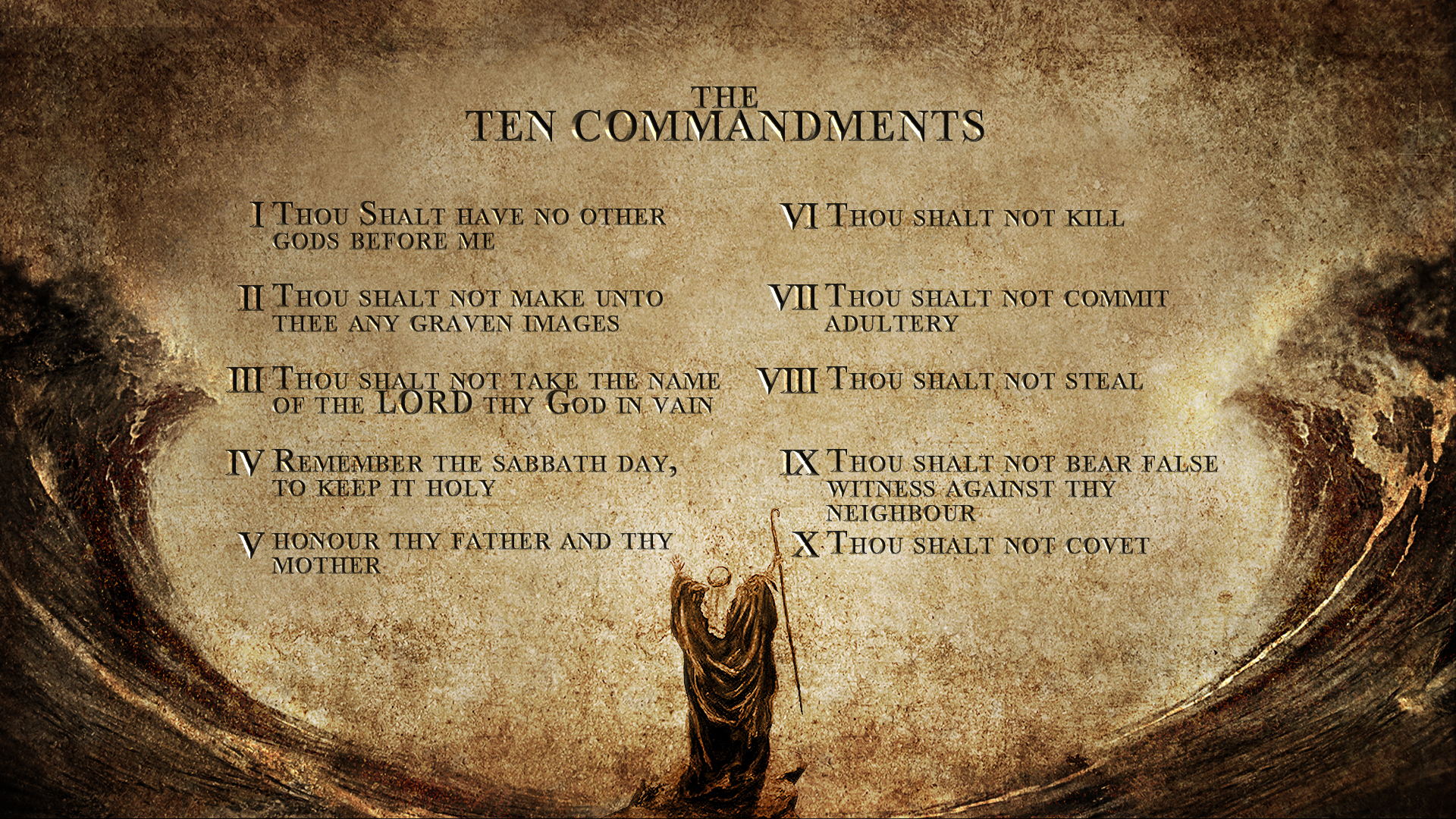
During a time when animistic religions were prevalent, the Israelites made a deliberate decision to accept this covenant and the responsibility that came with it, and this was an unprecedented event in world history. By this we know that the people of Israel were completely different from the rest of the human race from the very beginning. When many of the nations were worshiping the constellations, the Israelites began to have a faith that was completely different from the others. And at the center of this covenant given to them by God were the Commandments, which were the “words” that were exchanged between God and mankind.
The Jewish people are known for their many achievements in different fields and by tracing back to their beginning, we can see why they are so successful and that they were a chosen people. This is because all wisdom and knowledge are communicated through “words”.
As I mentioned earlier, many of the people during Moses’ time worshipped a burning flame or a rock as gods in a primitive form of animism. In fact Moses himself encountered a “burning bush” and a “strange rock” in the desert. It is written in the Bible that the bush was on fire but did not burn up and water came out of the rock when Moses struck it with his staff, and the burning bush or the rock could have easily become an object of worship. But when the bush was burning and when water flowed from the rock, these things did not capture his heart, and instead he listened carefully and wrote down the words that were spoken to him by God.
As you already know, Judaism and Christianity have this beginning in common and the word of God is at the center of both faiths. In fact the word of God is what the “commands” and “teachings” written in Proverbs is all about. The word is not a feeling or an emotion but something that speaks directly and clearly to our hearts. As it is written in the book of Hebrews, the word of God is sharp enough to speak directly to our soul and spirit and judge our hearts. “12 For the word of God is alive and active. Sharper than any double-edged sword, it penetrates even to dividing soul and spirit, joints and marrow; it judges the thoughts and attitudes of the heart”(Hebrews 4:12).
Psalm 119 is the longest psalm and chapter found in the Bible and there are 176 verses in this one psalm. And Psalm 119 has a unique feature that is not found in all the other passages in the Bible. It is that, with the exception of a few verses, almost all of the verses contain phrases for God’s word such as “your word”, “your commands”, “your precepts”, or “your decrees”. Psalm 119, the longest chapter in the Bible, is telling us over and over again of how great a blessing it is to live by the word of God. Solomon said wisdom is more precious than gold and rubies and that nothing we desire can compare with wisdom, and the reason for this is written repeatedly in Psalm 119. For example:
“How can a young person stay on the path of purity? By living according to your word.”(v.9) “I have hidden your word in my heart that I might not sin against you.”(v.11) “I will walk about in freedom, for I have sought out your precepts.”(v.45) “Your word is a lamp for my feet, a light on my path.”(v.105)
A young person can stay on the path of purity by obeying God’s word. To protect ourselves from sin we must store God’s word in our heart. We are free when we seek God’s precepts in our lives. Though there may be darkness before us, the word of God will light up our path. There are many other passages in Psalm 119 that tell us how important it is for us to live by the word of God and by this we know that God’s word is far more precious than gold and rubies.
Although there may be some exceptions, the Jewish people, who have always lived by the word of God, are to this day very diligent in their attitude and faith toward the word. And their history as a people must be what led them to be this way. As you know, the history of the Jews is a history of persecution. They were scattered across the world and were persecuted wherever they went. Right when they thought they could settle for good they were forced to leave and this went on for thousands of years, and the only thing they could hold onto was what was in their hearts and minds. Even those who persecuted them could not take away what was in their hearts and minds by force. As long as they lived, no matter where they were imprisoned and even if they have lost their freedom, they were still able to retain wisdom, which was the word of God in their hearts.
For this reason and as a result of their history of persecution, education for their children became their utmost priority. In the Talmud, it is written that there must be a school in every town and it is said that since ancient times almost all the Jews could read and write. Compared to the other civilized nations at the time this was extraordinary. It is said that when a Jewish child turns five, they have a ritual in which their parents put a drop of honey on a page of the Torah and the child kisses it. As it says in Psalm 119:103 “How sweet are your words to my taste, sweeter than honey to my mouth” this is done to teach the child how sweet it is to learn the words of the Law. Apart from the Jews, there aren’t any people or religions that make their children’s education a religious obligation and have this kind of dedication to it.
It is said that there is a saying in the Talmud that says “when you are in need and have to sell your possessions, first sell your gold, jewelry, house, and then your land, but the last thing you should sell are your books”. It says that books are more valuable than gold, jewelry, and real estate, and in this saying we see a clear influence of the words found in the Book of Proverbs which we are focusing on today. For the Jewish people, the books mentioned here is the Torah and for Christians it is the Bible.
What do gold, jewelry, a house, and a piece of land all have in common? It is that all of these things fluctuate in value. Needless to say all of these things have a market price. Another thing they have in common is that these things cannot be in our possession at all times, meaning they cannot be with us everywhere we go. Also, these things are all perishable. Every material thing and anything that can be seen with the naked eye will become old and be gone one day. Lastly, all of these can be bought with money, but the one thing that cannot be bought with money is wisdom.
As we live in this world, we encounter countless problems that a credit card wouldn’t solve. There’s no guarantee that Google can answer all our questions when we are in need of a solution. Some people call their lawyer when they have a problem, but what the lawyers can deal with are only a small portion of all the problems we face in our lives. None of us will live in this world forever. As we age we lose our physical strength. Some of us may have to go through illness. And we may no longer be able to do the things we do now. We may no longer be using our bicycle, running shoes, or even our computers. We will probably have fewer things around us. As a matter of fact, it is impossible for us to go through life only by the things we can see and touch.
Then what is the thing that we will always have with us? It is our self. To be more precise, it is our heart. The safest place to store what is important to us is our heart. No one can get close to it or take hold of it. People may beat us to the ground and take our homes and all of our possessions, but they cannot touch our heart. Here we store up wisdom, the word of God. As long as we have the word of God inside our hearts, it will strengthen and help us and be the source of our joy and happiness. We may have limited space in our garage, but we have unlimited space in our hearts, and wherever we go, wherever we live, our heart is always with us.
Each Sunday, our daily devotional guide for the week, “Ichinichi Issho(One Chapter, One Day)”, is passed out to us. Why is this daily devotional given to us every single week? It is for us to know that the past and the future are not within our reach, and that the only day we can do something through our actions and words is today. And it is so that we may read each chapter for the day and continue to store up the word of God in our hearts.
We also receive an outline for each message we hear on Sunday. This is like a souvenir for those who attend the worship service. It is given out so that we may take it home and review and ponder over the words of the Bible that we heard in the message. Some of our members stay after service to have a Bible study using this outline before heading home. Many of us tend to forget easily so this is a great way to really make the word of God part of our lives by sharing and discussing the day’s message while it is still in our hearts. Whether it be our daily devotionals or our message outlines, through these the word of God is being written on the tablet of our heart.
If the pastor has to baby sit everyone in the congregation, we as a church are far from being a healthy church. Of course in the beginning we all start by feeding on passages from Scripture that are easy to digest. But as no one in their adulthood eat baby food and apart from medical reasons, there aren’t any grown-ups who need to be spoon-fed, in the same way each one of us must nourish ourselves with the word of God. Once we start doing this, we may truly walk by the word and live each day by the word, and through this our life as a Christian is established.
Each one of us here today has a unique life. They are all different. But it appears that most of us here have already crossed half way through our lives’ journey. So how should we spend our days in this limited life? Is there anything you are thinking of attaining? Perhaps some of you are saying there is nothing left to do in life.
So here I propose to you something you can start today. What you will need for this is a Bible. Open it up and become familiar with the word. Begin receiving the heavenly wisdom found in it. Solomon said, “The beginning of wisdom is this: Get wisdom. Though it cost all you have, get understanding” (Proverbs 4:7).
When we look back on our life, we may find that it has been a journey marked by moments of joy and sorrow over things we have experienced. But from now on, instead of focusing only on the superficial aspects of life, let us have a new perspective through the heavenly wisdom we receive each day. We may have had a wide variety of experiences in the course of our lives. But from now on, let our focus be on how deep these experiences are. And to do this, let us be willing to pay any price to receive this heavenly wisdom. Even if we must give up all of our possessions, let us try our best to attain this heavenly understanding. Let’s pray.
Translated by Keita Machida
本日のおもちかえり
2014年3月16日
1)箴言7章1節ー5節を読みましょう。ここには『わたしの教を守ること、ひとみを守るようにせよ』(2)、『これをあなたの指にむすび、これをあなたの心の碑にしるせ』(3)と書かれていますが、これらから主の言葉、戒め、教えに対して私達が持つべきどんな思いが分かりますか。
2)箴言8章10節-11節には『あなたがたは銀を受けるよりも、わたしの教を受けよ、精金よりも、むしろ知識を得よ。知恵は宝石にまさり、あなたがたの望むすべての物は、これと比べるにたりない』と書かれていますが、あなたはこの言葉に同意しますか。なぜですか?
3)「アニミズム」的(生物、無機物を問わずに全てのものの中に霊魂、もしくは霊が宿っているという考え方で動物や火、岩等が崇拝の対象となる)な信仰と聖書が記している「言葉」を媒介とした「契約」による信仰とは何が違いますか。このような違いは何を生みだしますか。
4)『神の言は生きていて、力があり、もろ刃のつるぎよりも鋭くて、精神と霊魂と、関節と骨髄とを切り離すまでに刺しとおして、心の思いと志とを見分けることができる』(へブル4章12節)。「言葉が生きている、力がある、鋭い、刺しとおす、見分ける」ということはどういうことでしょうか。
5)『わたしはあなたにむかって罪を犯すことのないように、心のうちにみ言葉をたくわえました』(詩篇119篇11節)。心の内に蓄えられた御言葉を誰かが奪い取ることができますか。あなたが今、蓄えているものは失われることがありませんか。
6)『あなたのみ言葉はわが足のともしび、わが道の光です』(詩篇119篇105節)。聖書の言葉はどのように私達の足のともしびとなりますか。
7)詩篇119篇103節には『あなたのみ言葉はいかにわがあごに甘いことでしょう。蜜にまさってわが口に甘いのです』と書かれています。聖書の言葉が甘いということは、どういうことですか。あなたはこのように主の言葉の甘さを楽しんでいますか
