
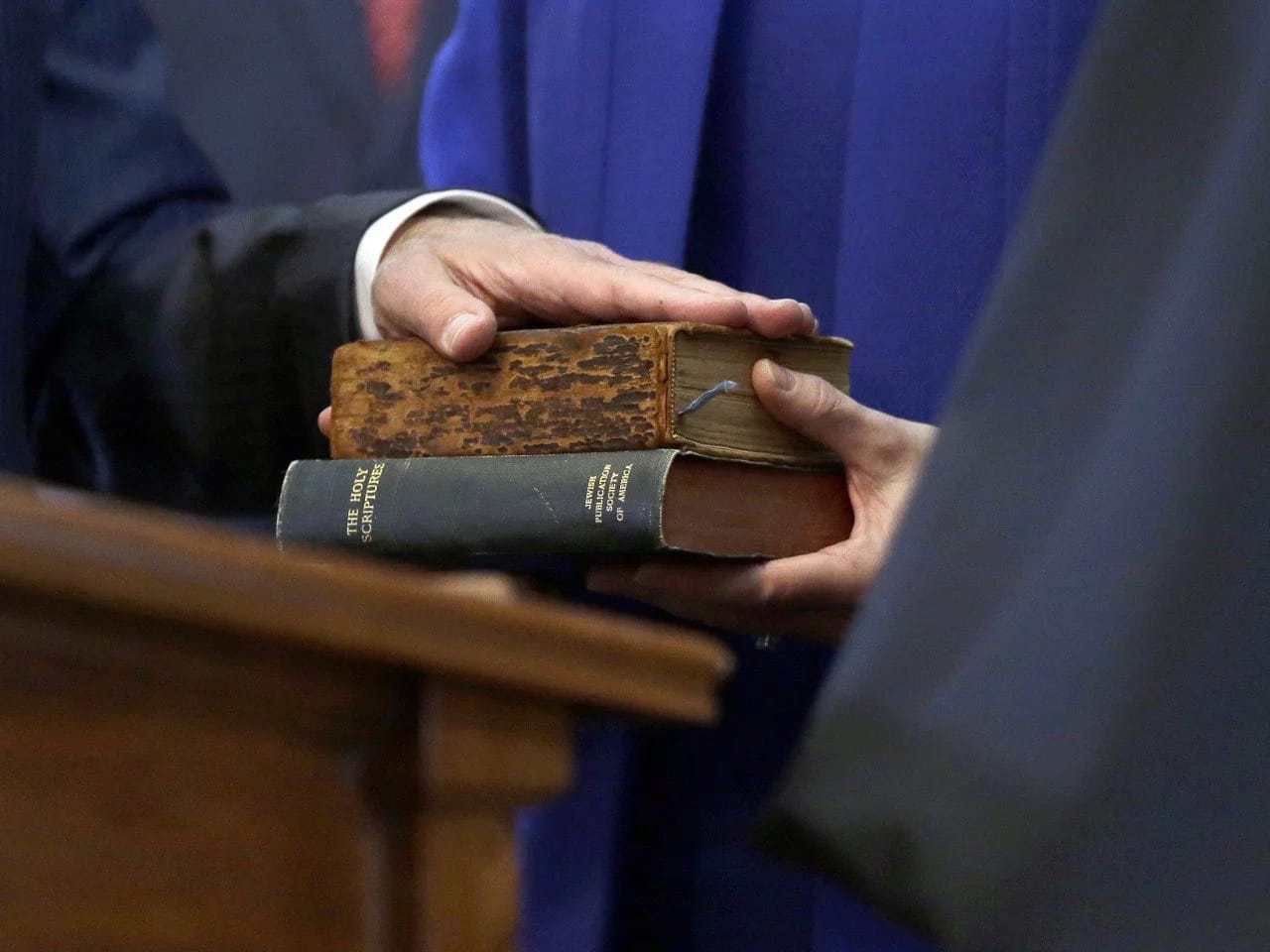
 「法律」とは人間がこの複雑な社会にあって自らを律するために自分達で作ったものでありまして、この米国も日本もこの法律が国を治める法治国家であります。この法のもとに大統領も一般市民も置かれています。しかし、しばしばこの法は破られます。法律に似た者として誓約というものがあります。国に対する誓約、結婚の誓約、そして大統領就任式における誓約。結婚と大統領就任式に関して言えば、その制約は人間に向けてなされるのではなく神の前になされるものです。しかし、人はこの誓約をも守ることができません。
マック
「礼拝プログラム」、「一日一生」はこちらから。
●メッセージ音声
Podcast (iTunes)
Podcast (RSS Feed)
Podcast (Google Play Music)
*詳しい方法はこちら。
本日の日英メッセージ原稿、おもちかえりはこちらから ↓
新しい契約を心に刻む
2017年8月27日
私達は今、ローマ人の手紙を毎週、見ております。そのローマ2章12節から29節の間に20回も出てくる言葉があります。それは「律法」という言葉です。ここには「律法」という言葉が一節に一つ以上出てくる勘定となります。そうです、聖書において「律法」というものはとても大切なキーワードなのです。今日はこの「律法」ということに着目してきたいと願っております。
このローマ書は、自身がユダヤ人であり、かつてキリスト教徒を迫害していたパウロという人が書き残したものです。彼がこのローマ書を書いた時、イエス・キリストは既に十字架にかかり、墓に葬られ、しかしその後、多くの人達の前にその復活した姿を見せ、天に帰られた後のことでした。すなわちその時とはイエス様の言動をつぶさに見聞きし、復活したイエス・キリストに実際に出会ったという、直接そのことに関係した者達の証言がまだ生き生きと残っている時代だったのです。そして、パウロはそんな者達からイエス・キリストに関する証言を多く聞いていたのです。
実際にパウロがイエスと共に行動をしたという記録は聖書にはありませんが、かつて彼が殺害の息をはずませながらキリスト教徒を激しく迫害していた時に天からの光に打ちのめされ、また天からの声を聴いたと聖書は記録しています。この経験はパウロにとりまして強烈なものでありましたが、彼はその体験だけにより頼まず、以後、ユダヤ民族の歴史というものを時間をかけて綿密に検証し、実際にイエスの弟子達にも会い、話を聞き、体験と共に彼は知性をも用いてイエス・キリストとは何者かということを調べ、そのキリストが私達にとってどのような存在なのかということをこのローマ書に書き記したのです。
その時に彼が特に多くの時間を費やした検証とは何だったのでしょうか。そうです、彼はその日にいたるまでの神とユダヤ民族が織りなした歴史を綿密に調べ、それが現在、どのようにイエス・キリストと関係しているのかということを検証したのです。そして、そうする時に決して避けて通ることができない、長きにわたりユダヤ人の心の中心にありましたものが、ここに何度も書かれております「律法」であり、パウロはこの「律法」と「キリスト」の関係についてイエス・キリストの言動も踏まえながらここに書き記したのです。
こうして考えますとこのパウロという人の人生の背後におられる神の存在を私達は認めざるをえません。なぜなら、もしこのパウロがいなければ、「イエス・キリストが成し遂げられた諸々の事柄」と「そこに至るまでのユダヤ人と神との歩み」を結びつけるものが後世に残されないということになり、そうなりますとキリスト教というのはユダヤ教から派生した新興宗教ということになり、おそらく早々にこの世界から消え去っていったかと思われるからです。そして、そのようなことを成し得るのは当時のユダヤ社会においてこのパウロ以外にはおそらくいなかったのであります。
この神が白羽の矢を立てたパウロとはかつてキリスト教徒を迫害し、彼らを獄に入れ、死にいたらしめることに情熱の全てをかけていた人であり、彼は誰よりも熱心に律法を研究しする専門家であり、研究するだけではなく、それを厳格に守っていた人でした。ということは彼は律法を熟知し、またそれを実践することの困難と限界を内心よく知っていた人であったということです。神は実にユダヤ教がキリスト教として新しく生まれようという最重要な時にこのようなイクストリームな男を選ばれ、「それまでの物語」と「これからの物語」を結び合わすというイエスの12弟子にもできないことをパウロに託したのです。
さて、それではまず「ユダヤ人と律法」ということについてお話しましょう。聖書は冒頭、天地創造について記し、そこから初めの夫婦が創造され、彼らは神に禁じられた実を食べてしまい、神の園から逃げるかのようにして出ていきます。彼らは二人の息子を得ますが、兄は弟を殺します。このようなところから人類は始まります。この家族から人は増え、やがてそこから民族が生まれ、国が生まれ、王が生まれます。力を有して支配するもの、支配されるものが出てきます。そしてその長い間、この人間の世界には彼らが共有して守るべき律法、すなわちルールというものはありませんでした。
ルールなき世界に、今日も何ら変わらないような人間の欲望というものがとめどもなく満ちてきますと、目を覆いたくなるような問題が出てきます。先々週もお話ししましたように神は確かに人間に理性とか良心をお与えになっておりますが人間の性(さが)はそれらを箱の中に押し込めて何食わぬ顔でその上に座って好き放題なことをしています。そんな彼らにはルールもないのですから、その世界がどんな様であったかを想像することは決して難しいことではありません。
このような状況の中でイスラエルの民はエジプトに奴隷となります。彼らには過酷な労働が課せられますが、神は彼らをそのエジプトから救い出され、40年もの間、荒野へ導かれ、数百万の者達が荒野での生活をします。それは定住生活ではなく、まさしく移動しながら約束の地を目指すという旅でありました。しかし、その時点でまだ彼らには律法がありません。ですから、そのような過酷な場所においてもまさしく人間のとめどもない欲望がむき出しになるような邪悪も数多くなされていたと想像されます。
そんな彼らに神はあの有名な二枚の板、すなわち十戒を与えます。ここに人は初めて律法を得たのです。すなわち超えてはならない神から人間に対する一線がひかれたのです。そして、この律法は十戒にとどまらず、以後、神は彼らにさらなる人に必要な戒めを与え、以降、イスラエルの民にとりまして「神に従う、神と共に生きる」ということはまさしく「律法を守る」ということを意味するようになったのです。
十戒の一つに「殺してはならない」というものがありますが、その戒めが与えられるまでは人が殺されたら報復がなされていました(人間の性(さが)を考えますと、まさしくそうなっていきますでしょう)。しかもその報復は一人が殺されればその村の全ての住民が報復を受けるというようなものでありました。日本では「倍返しだ!」「十倍返しだ!」という決め台詞により人気を得たテレビドラマがありましたが、人は心にはそんな執念があり、まさしく制限がなければ人の復讐は歯止めのないものになりうるのでしょう。ですから、それらをよくご存じである神様は荒野に放浪するイスラエルの民にこんな律法を与えました。
『24目には目、歯には歯、手には手、足には足、25焼き傷には焼き傷、傷には傷、打ち傷には打ち傷をもって償わなければならない』(出エジプト21章25節)。
よく知られた神が民に与えた『目には目を』という戒めです。一見、とても残虐な戒めと思われますが、実はこれは目を痛みつけられたら、相手もその目を痛みつけられることで終わりとしなければならないというエスカレートする報復を禁じる言葉なのです。この律法はとどまることのない死の連鎖を止める役割を果たしました。
このように彼らに神から律法が与えられることにより、人が「超えてはならない一線」が与えられました。人に守るべきルールが与えらえたのです。そして当初、彼らはそれを守ろうと生きました。しかしながら、人間はそれを守り通すことなどできない、それがこれ以降、数千年かけてユダヤ民族が明らかにしたことでありました。仮にそれを守っていると主張する者がいたとしても、それは極めて外見的なものであり、そこには偽善が満ち満ちていたのです。この守りえないということ、そして偽善が生まれるということ、これは今日の私達の世界においても何ら変わることがありません。
そもそも律法とは天上の神が人間に対してその権威を押しつけるために与えたものではなくて、その律法の内に生きることこそがあなた方を守り、あなたがたの幸いな生き方なのだというように、その愛と憐みゆえに与えられたものだったのです。しかし、ユダヤ人はやがてその神から与えられた律法にあれやこれやと自分達で創作した律法をつけ加えてがんじがらめとなっていき、最後には律法を守れない者達をさげずみ、彼らを汚れた者達と名指しするほどにまでなっていたというのがイエスの時代、そしてパウロの時代だったのです。ゆえにパウロはこのようなことを書いています。
『17もしあなたが、自らユダヤ人と称し、律法に安んじ、神を誇とし、18御旨を知り、律法に教えられて、なすべきことをわきまえており、19,20さらに、知識と真理とが律法の中に形をとっているとして、自ら盲人の手引き、やみにおる者の光、愚かな者の導き手、幼な子の教師をもって任じているのなら、21なぜ、人を教えて自分を教えないのか。盗むなと人に説いて、自らは盗むのか。22姦淫するなと言って、自らは姦淫するのか。偶像を忌みきらいながら、自らは宮の物をかすめるのか。23律法を誇としながら、自らは律法に違反して、神を侮っているのか』(ローマ2章17節-23節)。
パウロは優秀な律法学者です。律法学者とはまさしくこの律法の専門家であり、彼はその律法を厳格に守ろうとしていた人です。すなわち彼は律法のエリートでした。しかし、そうであるゆえにこの律法の限界を感じ取っていたのです。そう、私達は律法を守りえないという歴然たる事実です。誇りとしていながら、自分では守れない、そして厄介なのは、にもかかわらず同じように律法に違反しているものを侮っているというのです。言うまでもなく、この厳しい言葉は明らかにパウロ自らにも向けて綴った言葉なのでしょう。そう、自分の心も一皮向けば偽善で満ちているということを彼は知っていたのでしょう。
「法律」とは人間がこの複雑な社会にあって自らを律するために自分達で作ったものでありまして、この米国も日本もこの法律が国を治める法治国家であります。この法のもとに大統領も一般市民も置かれています。しかし、しばしばこの法は破られます。法律に似た者として誓約というものがあります。国に対する誓約、結婚の誓約、そして大統領就任式における誓約。結婚と大統領就任式に関して言えば、その制約は人間に向けてなされるのではなく神の前になされるものです。しかし、人はこの誓約をも守ることができません。
確かに私達にはルールが必要ですが、生まれてからこの方、この法や誓約を一度も破ったことはないという人はいないのです。私達は法律が犯された時に、そこに程度の差をつけます。そうです、軽罪なのか重罪なのかと罪に軽い罪、重い罪というランクをつけます。しかし、聖書の中に記されている罪にはランクがありません。神の前に罪は罪であり、そこに大小はないのです。さらには律法ではなく自らの心にある「良心」ということについて考えますと完全にいつも良心に従って生きているという人はこの世にはいないのです。
またルールにはいつも抜け道があり、自分勝手な解釈があります。私たちは体裁を整えるこもはできます。外見を装うことはできます。ユダヤ人もそうでした。イエス・キリストもかつてユダヤ人の律法学者達についてこう言っています「律法学者に気をつけなさい。彼らは長い衣を着て歩くことや、広場であいさつされることや、また会堂の上席、宴会の上座を好んでいる」(マルコ12章38節―39節)。しかし、彼らの心は偽善で満ちていました。
私達は互いにその本心をある程度、隠すことができます。しかし、主イエスの目に私達の心は明らかであり、ゆえにイエス様は当時の律法の専門家である律法学者やパリサイ人に対して「偽善な律法学者、パリサイ人達よ、盲目な者達よ、へびよ、まむしの子らよ、あなたがたはわざわいである」と容赦ない言葉を語りかけていることが聖書に記録されています(マタイ23章13節-36節)。その様たるや、そこまで言ってしまわれた大丈夫なのだろうかと聞いている者が心配するほどに激しいものです。
それでは聖書はこのような守ることもできない、偽善ばかりを生み出してしまう律法を無意味なものとしているのでしょうか。イエス・キリストにまでいたる数千年の時代、神が与えた律法は意味のないものだったのでしょうか。いいえ、このことに対してイエス様自身がこう答えています。
『17わたしが律法や預言者を廃するためにきた、と思ってはならない。廃するためではなく、成就するためにきたのである。18よく言っておく。天地が滅び行くまでは、律法の一点、一画もすたることはなく、ことごとく全うされるのである』(マタイ5章17節-18節)。
イエス・キリストはこれまでお話ししてきました「律法」について、私はその律法を排するために来たのではなくて、それを成就するために来たと言いました。そして、その律法の成就ということはどういうことかと言いますと、ご自身が「心をつくし、知力をつくして、あなたの神である主を愛せよ」「あなたの隣人をあなた自身のように愛せよ」「律法全体と預言者(聖書)とがこの二つの戒めにかかっているのです」(マタイ22ー37~40)と言われたように、律法とはそもそも「神を愛し」、「隣人を愛する」という、この二つの戒めのことなのであり、私はこのことを明らかにするために来たのだということなのです。
こんなことがありました『1そのころ、ある安息日に、イエスは麦畑の中を通られた。すると弟子たちは、空腹であったので、穂を摘んで食べはじめた。2パリサイ人たちがこれを見て、イエスに言った、「ごらんなさい、あなたの弟子たちが、安息日にしてはならないことをしています」。3そこでイエスは彼らに言われた、「あなたがたは、ダビデとその供の者たちとが飢えたとき、ダビデが何をしたか読んだことがないのか。4すなわち、神の家にはいって、祭司たちのほか、自分も供の者たちも食べてはならぬ供えのパンを食べたのである。5また、安息日に宮仕えをしている祭司たちは安息日を破っても罪にはならないことを、律法で読んだことがないのか。6あなたがたに言っておく。宮よりも大いなる者がここにいる。7『わたしが好むのは、あわれみであって、いけにえではない』とはどういう意味か知っていたなら、あなたがたは罪のない者をとがめなかったであろう。8人の子は安息日の主である」(マタイ12章1節-8節)。
この安息日を守るというのは聖書の十戒に書かれていることです。『8安息日を覚えて、これを聖とせよ。9六日のあいだ働いてあなたのすべてのわざをせよ。10七日目はあなたの神、主の安息であるから、なんのわざをもしてはならない。』(出エジプト記20章8節-10節)。
パリサイ人達はこの十戒から「安息日にはどんなわざをもしてはならない」とし、自らその「わざ」を細分化して、がんじがらめの律法を自ら作り上げていました。たとえば「火をつける」とか「靴紐を結ぶ」というようなこともこの戒めの違反にあたるとし、それに反する者を裁いていたのです。ですから安息日に穂を摘むということも労働とみなされたゆえに、弟子達は非難されたのです。しかし、これに対してイエス様はこの戒めを無効にするのではなくて、神こそが安息日の主であり、その神は何よりもあわれみを好まれるお方であるのだから、神を愛し、人を愛するという律法の二つの要約に照らし合わせるのなら、お腹が空いている者が安息日に実を食べても差し支えないのだとしたのです。
同じようなことが他にも例えば、エルサレムにあるベテスダの池の傍に30年も動けずにいた男を安息日に癒されたことを問題視した者達に対して(ルカ14章)、安息日に息子や牛が井戸に落ちたら助けないのかと語られ、神を愛する、人を愛して、あわれみをかけるということにのっとって律法を続けて守るものとなりなさいと言われたのです。そのような意味でまさしくこのイエスはそれまでの不完全な律法を完全な律法へと変えたのです。
これらのことについてもパウロはイエスのこれらの言動をつぶさに見た12弟子達の証言として聞き、律法のそもそもの意味に思いを寄せ、それを検証したのでしょう。そして、彼の目は開かれていったのでありましょう。彼は自らが悟ったことについてガラテヤ書においてこう書き記しました。『23しかし、信仰が現れる前には、わたしたちは律法の下で監視されており、やがて啓示される信仰の時まで閉じ込められていた。24このようにして律法は、信仰によって義とされるために、わたしたちをキリストに連れて行く養育掛となったのである』(ガラテヤ3章23節-24節)
ヨハネも持ち前の洞察力でこう書き残したのです。『律法はモーセをとおして与えられ、めぐみとまこととは、イエス・キリストをとおしてきたのである』(ヨハネ1章17節)と言いました。そう、モーセを通して与えらえた律法も必要不可欠のものでした。しかし、今や神の恵みがキリストを通して私達に与えられているのです。律法とはイエス・キリストに導く養育係のようなもので、このキリストがあらわれたかぎり、新しい契約が私達の前にあるのだというのです。
さらに驚くべきことはこれらのことはたまたまイエスが現れてから無理やり辻褄が合わされたのではなく、イエス誕生の650年前にエレミヤという人がこのような預言をしていたのです。まさしく、律法とイエス・キリストとの関係はこのように神の壮大なご計画の中に予め組み込まれていたものなのです。
31主は言われる、見よ、わたしがイスラエルの家とユダの家とに新しい契約を立てる日が来る。32この契約はわたしが彼らの先祖をその手をとってエジプトの地から導き出した日に立てたようなものではない。わたしは彼らの夫であったのだが、彼らはそのわたしの契約を破ったと主は言われる。33しかし、それらの日の後にわたしがイスラエルの家に立てる契約はこれである。すなわちわたしは、わたしの律法を彼らのうちに置き、その心にしるす。わたしは彼らの神となり、彼らはわたしの民となると主は言われる。34人はもはや、おのおのその隣とその兄弟に教えて、『あなたは主を知りなさい』とは言わない。それは、彼らが小より大に至るまで皆、わたしを知るようになるからであると主は言われる。わたしは彼らの不義をゆるし、もはやその罪を思わない」(エレミヤ31章31節-34節)。
エレミヤはイエス誕生の650年も前に神は彼らの先祖がエジプトの地から導き出したような契約ではなくて、私は彼らにこれから新しい契約をわたす。それはあなたたちの心にしるされる。そのことによりあなたたちは本当に私のことを知るようになるであろうというのです。そして、この新しい契約はイエス・キリストにあって成就したのです。律法学者であったパウロは当然、このようなエレミヤの言葉をも心に留めて「律法」の成就者であるキリストの存在を確かなものとしたのでしょう。
それでは2017年を生きる私達の聖書に記されている律法への取り組みはどういうものなのでしょうか。イエス様がご自身言われているようにそれは既に廃除されたものではなく、今もそれは有効なものとして私達の前にあります。しかし、このお方はそれら数多くある律法を二つの戒めにまとめました。そう、それが「心をつくし、知力をつくして、あなたの神である主を愛せよ」「あなたの隣人をあなた自身のように愛せよ」「律法全体と預言者(聖書)とがこの二つの戒めにかかっているのです」(マタイ22:37~40)ということであり、まさしくイエス様はこれらの二つに照らし合わせてその言動をなさいましたので、先ほどお話ししましたように非難を受けたのです。神様は苦労して記憶しなければならない戒めを私達に与えません。心に刻むことができるこの二つの戒めというフィールターを通して私達はその他の律法を解釈するのです。イエス様がなさったように私達も神を愛する、人を愛するということに照らし合わせてイエスのお心を探り、その律法に向き合うように神様は私達に求めているのです。
私達の前に500の律法があります時に私達はそれらを全て意識して、杓子定規にそれらを守り通すことなどできないのです。しかし、今や私達はかつての古き律法を心にとめつつ、イエスが言われたこの二つの戒めと共にそれらの律法を解釈するのです。そこには神様が私達に与えられた本当の自由があります。主は私達が心を尽くし、知力を尽くし神を愛すること、そして隣人をあなた自身のように愛するということ、私達が日々、直面する諸々の事柄について私達はこの二つに照らし合わせてどうすべきかということを考え、決断することが問われています。神様はこのことをもっ私達の行動の規範とすることを今日も願っているのです。お祈りしましょう。
“Engraving the new covenant in our heart” Aug 27, 2017
We have been reading from the letter of Romans every week. There is a word that appears 20 times between Romans chapter 2 verses 12 through 29. When calculated, the number of times the word “law” appears is more than once in every verse. The “law” is an important keyword in the bible. Today, we will be focusing on the term “law”.
A Jewish man who once persecuted Christians named Paul wrote the letter of Romans. When Romans was written, Jesus Christ had already been crucified on the cross, buried in a grave, appeared in front of people after rising from the dead, and had already rose up to heaven. So there were many people who met Jesus, and witnesses were abundant. At that time, Paul heard many accounts of Jesus Christ.
There are no accounts of Paul ministering with Jesus in the bible. However, when Paul was filled with bloodlust and violently persecuted Christians, it is written that he was struck by light from the heavens, and heard a voice. This experience was a turning point for Paul, but he did not rely only on this experience. Later he researched Jewish history, met disciples of Jesus, listened to their stories, used his knowledge and experiences to search who Jesus was. After all of this, in Romans he writes who Jesus Christ is, and his significance to our lives.
Through Paul’s life, he spent the most amount of time on researching the history of the Jewish people, and how it connects to Jesus Christ in the present. An aspect of this research that could not be avoided is something that always in Jewish people’s hearts, the “law”. Based on this, Paul was examining the relationship between the “law” and “Christ”.
We have to acknowledge God’s existence when looking at Paul’s life. This is because if Paul did not exist, “Jesus Christ’s various acts” and “The Jewish walk with God” would have never collided. This means that, Christianity would have just been a new religion derived from Judaism, and most likely have disappeared from the earth quickly. And, the person who could bring the Jewish faith to Christ probably did not exist outside of Paul.
Paul the man who God chose, was very passionate about the law. He persecuted Christians who did not follow the law, and put them in jail. Not only was he a specialist who studied the law closely, but also strictly followed the law as well. This means that he had great knowledge about the law, and also understood the difficulties and limitations of obeying that law. God chose Paul during this period where Judaism will be reborn into Christianity. God chose Paul as an extremist who had the capacity to make connections between these two, something that none of the disciples could have done.
First let us talk about the Jewish people and the law. In the beginning of the Bible, God created the heavens and the earth, then first humans were created, they ate the forbidden fruit, and ran away from the Garden of Eden. They have two sons but the older brother kills the younger brother. This is the beginning of humanity. From this family, more people were born, and from here nations and tribes are born. Those with authority, and those without are put in place. For a long time, there was no definite shared rule that humanity lived by, in other words, there was no law.
Without rules, today we still see a world full of human greed, and we see problems that make us doubt our eyes. As I talked about two weeks ago, God gave us a conscience and ability to reason-a moral compass, but we take these things and lock it up, in order to do what we desire. To them, there are no rules so it is not difficult to imagine what the world looked like.
Amidst this situation of humanity, the Israelites became slaves to Egypt. Harsh labor is imposed on them, but God rescues the Israelites out of Egypt and for forty years, and millions of people spend their lives in the wilderness, looking for the promise land. However, in the journey of the Israelites, there is also no law. So even in harsh land, it can be imagined that the greed of people is revealed through much evil.
To these Israelites, God gives them two famous stone tablets-the Ten Commandments. Here, humanity receives law for the first time, a line drawn between man and God that must not be crossed. This law, the Ten Commandments was extended by new commandments given by God. From then on, to the Israelites, “Obeying God, and living with God” became equal to “following the law”.
In the Ten Commandments it is written, “thou shalt not kill”. But before this commandment was given, there was always retaliation in response to murder. This was not a simple revenge, but one that was so extreme as to kill the murderer’s entire village in retribution. In Japanese, there is a term used in a popular TV series that means twice the revenge. When people carry this kind of obsession for more revenge, it will become a brakeless force. Understanding this, God gave this law to the Israelites,
24 eye for eye, tooth for tooth, hand for hand, foot for foot, 25 burn for burn, wound for wound, bruise for bruise (Exodus 21:25).
God who understood these people well gave the commandment “an eye for an eye”. At first, this commandment may appear to be a cruel, but it is a rule that puts a brake to an escalation of punishments. This law put a stop to this chain of death caused by vengeance.
In this way, God drew a line that people cannot cross by giving people this set of laws. God gave people rules to follow, and at first people tried to live according to this law. However, after thousands of years, the Israelites showed that mankind could not follow the law. Even if there is one who claims to be following the law, it is only by external appearance and they are full of hypocrisy. The inability to follow a rule and the birth of hypocrisy from it, are things that have remain unchanged in this world.
In it’s origin, the law was not given so that God can impose his authority. But it was given so that when we live in it, we will be protected, and our lives would be blessed. But, the Jewish people added on laws that they themselves created, and pointed out and called people who could not follow the laws unclean. This was what the law had become in Jesus’ time and Paul’s time. And to the people of his time Paul writes this,
17 Now you, if you call yourself a Jew; if you rely on the law and boast in God; 18 if you know his will and approve of what is superior because you are instructed by the law; 19 if you are convinced that you are a guide for the blind, a light for those who are in the dark, 20 an instructor of the foolish, a teacher of little children, because you have in the law the embodiment of knowledge and truth— 21 you, then, who teach others, do you not teach yourself? You who preach against stealing, do you steal?22 You who say that people should not commit adultery, do you commit adultery? You who abhor idols, do you rob temples? 23 You who boast in the law, do you dishonor God by breaking the law? (Romans 2:17-23)
Paul was a scholar with expertise in law, and he strictly tried to follow the law. But, even as one with such high status concerning the law, he saw the truth that we are not capable of following the law. He held his position with pride, but despite this he could not follow the law himself, and hypocritically judged others for not being able to follow the law as well. These strict words were probably pointed towards himself as well, and he knew the condition of his heart.
The “law” is something that people have created in order to regulate our complex society. In the United States and Japan, there is a legislature that governs the country. Regular citizens, the president, everyone is under the authority of this law. However, the law is often broken. There is something similar to the law, which is a pledge, or vow. There is the pledge of allegiance to a country, a vow to marriage, a pledge in the inauguration ceremony of a President. As for wedding vows and the oath of office, these are pledged to God. However, we cannot keep these pledges.
We need rules in our lives, but there is not a single person who has never broken a rule or pledge in their lives. When we break the law, we categorize the committed act. We decide the weight and severity of the sin. However, there is no categorizing or ranking of sins in the Bible. In front of God, sin is sin and there is no big or small. Outside of the law, there is no person that lives according to only one’s conscience.
Rules also have loopholes and self justified interpretations. We can always pretend and make our appearance look good; the Pharisees were that way as well. Jesus said this about them, 38 As he taught, Jesus said, “Watch out for the teachers of the law. They like to walk around in flowing robes and be greeted with respect in the marketplaces, 39 and have the most important seats in the synagogues and the places of honor at banquets. However, there hearts were filled with hypocrisy.
We can hide our true selves to an extent. However, in Jesus’s eyes our hearts are transparent and he said to the Pharisee’s, “Woe to you, teachers of the law, you hypocrites, you blind guides, you snakes” in the Bible. His statement is so intense that it has us worried if he should be saying such things.
Is the Bible saying that these laws that people cannot follow, these laws that bring about hypocrisy in people’s hearts a useless thing? Were the thousands of years spent with the commandments given by God a meaningless age? No. Jesus says this.
17 “Do not think that I have come to abolish the Law or the Prophets; I have not come to abolish them but to fulfill them. 18 For truly I tell you, until heaven and earth disappear, not the smallest letter, not the least stroke of a pen, will by any means disappear from the Law until everything is accomplished (Matthew 5:17-18).
We have been talking about the negative qualities that laws reveal. But Jesus says that he came not to abolish, but to fulfill the law. And what he meant by this is written in Matthew,37 Jesus replied: “‘Love the Lord your God with all your heart and with all your soul and with all your mind.’ 38 This is the first and greatest commandment. 39 And the second is like it: ‘Love your neighbor as yourself.’ 40 All the Law and the Prophets hang on these two commandments.” (Matthew 22:37-40). Jesus came to show that the law was based on two simple things: To love God and to love our neighbors as our selves.
The Bible shows this episode of Jesus,
At that time Jesus went through the grain fields on the Sabbath. His disciples were hungry and began to pick some heads of grain and eat them. 2 When the Pharisees saw this, they said to him, “Look! Your disciples are doing what is unlawful on the Sabbath.”3 He answered, “Haven’t you read what David did when he and his companions were hungry? 4 He entered the house of God, and he and his companions ate the consecrated bread—which was not lawful for them to do, but only for the priests. 5 Or haven’t you read in the Law that the priests on Sabbath duty in the temple desecrate the Sabbath and yet are innocent? 6 I tell you that something greater than the temple is here. 7 If you had known what these words mean, ‘I desire mercy, not sacrifice,’you would not have condemned the innocent. 8 For the Son of Man is Lord of the Sabbath.” (Matthew 12:1-8)
The Sabbath is written in the ten commandments.8 “Remember the Sabbath day by keeping it holy. 9 Six days you shall labor and do all your work, 10 but the seventh day is a sabbath to the Lord your God. On it you shall not do any work (Exodus 20:8-10).
The Pharisees interpreted the Sabbath rule from the Ten Commandments and defined rest in various ways. Through this, they made a strictly binding rule. For example, putting on a fire, and tying shoelaces were considered violation of the commandments, and offenders were judged. So when the disciples picked some grain, the Pharisees condemned them. However, Jesus reflected on the two greatest commandments; to love God and to love our neighbor, and since God was a God of mercy, when a hungry person ate grain, it was a blameless act.
In a similar incident, when Jesus was criticized for healing the man who had been waiting for 30 years by the pool of Bethesda in Jerusalem; Jesus responded by asking if they would not save a child or ox that falls into a well on Sabbath day. Jesus commanded to be one who loves God, loves people, has mercy and follows the law. In this way, Jesus made the law into completion.
Paul had heard testimonies from disciples who heard Jesus say these things, and verified the intention and root meaning of the laws. Paul’s eyes were opened to these things, and he wrote of these realizations in Galatians, 23 Before the coming of this faith, we were held in custody under the law, locked up until the faith that was to come would be revealed. 24 So the law was our guardian until Christ came that we might be justified by faith. 25 Now that this faith has come, we are no longer under a guardian (Galatians 3:23-25).
John also wrote of his insight and said,17 For the law was given through Moses; grace and truth came through Jesus Christ (John 1:17). The laws given to Moses were essential. However, God’s grace is given to us through Jesus Christ. The commandments led up to Christ’s coming-and because of Jesus, there is a new covenant before us.
Another surprising thing is that these things weren’t forced by Jesus’s arrival. This relationship between the laws and Jesus Christ were a part of God’s great plan. 650 years before Christ’s birth, Jeremiah prophesized this;
“The days are coming,” declares the Lord,
“when I will make a new covenant
with the people of Israel
and with the people of Judah.
32 It will not be like the covenant
I made with their ancestors
when I took them by the hand
to lead them out of Egypt,
because they broke my covenant,
though I was a husband to them,”
declares the Lord.
33 “This is the covenant I will make with the people of Israel
after that time,” declares the Lord.
“I will put my law in their minds
and write it on their hearts.
I will be their God,
and they will be my people.
34 No longer will they teach their neighbor,
or say to one another, ‘Know the Lord,’
because they will all know me,
from the least of them to the greatest,”
declares the Lord.
“For I will forgive their wickedness
and will remember their sins no more.”
(Jeremiah 31:31-34)
650 years before Jesus’s birth, Jeremiah writes that God will make a new covenant unlike the one made with their ancestors. God says that he will write it on our hearts, and that we will come to truly know him. Jesus fulfilled this new covenant. Paul must have had this prophecy of Jeremiah in mind when he confirmed Christ as the fulfiller of the law
How does this application of the law in the Bible apply to us living in 2017? As Jesus said, the laws are not to be abolished, but still be in effect. However, God summarizes the numerous laws into two commandments. These are,37 “‘Love the Lord your God with all your heart and with all your soul and with all your mind.’ 38 This is the first and greatest commandment. 39 And the second is like it: ‘Love your neighbor as yourself.’ 40 All the Law and the Prophets hang on these two commandments.” (Matthew 22:37-40). As I mentioned earlier, because Jesus focused on these two things he was criticized by the Pharisees. But, God desires for us to love him and love our neighbors as Jesus did. God does not provide a long set of rules that we must memorize. By writing and engraving these two commandments in our hearts, we can interpret any law.
When facing 500 rules, we cannot be intentional and follow all of these laws exactly. We are to follow the law through interpretation by the two most important commandments told by Jesus. True freedom from God is there. God tells us that we are love God with all heart and all our soul and with all our mind, and love our neighbors as ourselves, and reflect upon these things when we face our daily problems. God desires for us to use these commandments to dictate our actions today. Let us pray.
Translated by Kou Okura
本日のおもちかえり
1)ローマ2章12節から29節の間には20回も「律法」という言葉が出てきます。なぜパウロはこのように律法に注目しているのですか。
2)律法なき無法地帯はどんな有様となりますか。人間は誰が見ていなくとも律法を守ることができますか。
3)なぜ神様はイスラエルの民に律法を授けたと思いますか。
4)出エジプト21章24節-25節の律法には神のどんな思いが込められていますか。
5)ローマ2章17節-23節、マルコ12章38節―39節を読みましょう。ここから人間のどんな本質的な姿を見ることができますか。
6)マタイ5章17節-18節に記されているようにイエス様は「律法を廃するためではなく、成就するためにきた」ということはどういうことなのでしょうか。
7)マタイ22章37節-40節から分かることは何ですか。今日、私達はどのように聖書の律法を守ればいいのでしょうか。
8)マタイ12章1節-8節でイエス様は何を私達に語っておられますか。
9)ガラテヤ3章23節-24節、ヨハネ1章17節から律法とイエス様についてどんな関係を見出しますか。
