
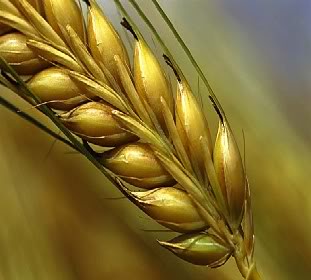
 私達の多くは日本で生まれた一粒の麦です。しかし、その麦が母国を離れてアメリカにやってきたのです。この土地でこの麦は泣き、麦は嵐吹く大地や時代をくぐりぬけてきました。人はそれを運命と呼ぶかもしれませんが、私達は神様に導かれて、この地にやってきたのだと信じます。時に泥に伏せるような時もありましたが、いつもイエス様は私達に「そこを超えておいで」「くじけないでおいで」と語りかけてくださいました。
そんな一粒の麦がなすべきことが残されています。それは私達が一粒の麦のままこの国で終わるのではなくて、地に落ちて死ぬことにより多くの収穫を残すことです。私達の一生がどうなるかということは、実に紙一重だと感じます。そうです、主イエスの言葉を本当に信じて一粒の麦として、地に落ちて死んで生きるのか、それともどうにか枝にしがみついて一粒のまま終わるのか、ただそれだけです。私達がこの国にやって来たこと、その理由は私達がこの地に落ちて、実を結ぶことです・・・。
マック
「礼拝プログラム」、「一日一生」はこちらから。本日の「日英礼拝メッセージ原稿」、「おもちかえり」はこちらから ↓
麦の唄(サンデイェゴバージョン)
2015年4月12日
三月のアップワードウエイにNHK朝のドラマ『マッサン』について書かせていただきました。このドラマは実話をもとにしたもので三月いっぱいでこのドラマは終わったのですが、時代背景は大正から昭和にかけたもので、当時まだ珍しかった国際結婚をした夫、マッサンとスコットランドから嫁いできた妻、エリーが色々な問題に向き合いながらも家庭を築き、酒造会社を興していく様が描かれており、ドラマの主題歌、「麦の唄」を中島みゆきさんが歌っています。
なつかしい人々 なつかしい風景
そのすべてと離れても あなたと歩きたい
嵐吹く大地も 嵐吹く時代も
陽ざしを見上げるように あなたを見つめたい
麦に翼はなくても 歌に翼があるのなら
伝えておくれ故郷へ ここで生きてゆくと
麦は泣き、麦は咲き 明日へ育ってゆく
大好きな人々 大好きな明け暮れ
新しい「大好き」をあなたと探したい
私たちは出会い 私たちは惑い
いつか信じる日を経て 一本の麦になる
空よ風よ聞かせてよ 私は誰に似てるだろう
生まれた国 育つ国 愛する人の国
麦は泣き 麦は咲き 明日へ育ってゆく
strong>泥に伏せる時にも 歌は聞こえ続ける
「そこを超えておいで」「くじけないでおいで」
どんな時も届いて来る 未来の故郷から
麦に翼はなくても 歌に翼があるのなら
伝えておくれ故郷へ ここで生きてゆくと
麦は泣き、麦は咲き 明日へ育ってゆく
麦は泣き、麦は咲き 明日へ育ってゆく
中島さんはきっと海を越えて日本に嫁いできたエリーを麦になぞらえ、この歌を作ったのでしょう。そして、この歌を聞きながら思ったことはアメリカに移り住んできた私達も日本からやってきた一粒の麦のようだということでした。私達の多くは身寄りもなくこの国にやってきて、この歌が歌っているように嵐吹く大地を歩くようなことや、嵐吹く時代も生きてきましたが、この国で私達はイエス・キリストに出会いました。懐かしい人々、懐かしい風景、その全てと離れても私達はここでイエス様と共にこれからも歩んでいきたいと思います。泥に伏せるような時も確かにありますが、いつも主の言葉が私達を立ち上がらせてくれます。麦は泣くこともあります、しかし、麦はやがて花を咲かせ、そして実を結ぶのです。そうです、麦は実を結ぶのです。でも、どうしたら麦は実を結ぶのでしょうか。聖書、ヨハネ12章20節-26節を拝読します。
20祭で礼拝するために上ってきた人々のうちに、数人のギリシヤ人がいた。21彼らはガリラヤのベツサイダ出であるピリポのところにきて、「君よ、イエスにお目にかかりたいのですが」と言って頼んだ。22ピリポはアンデレのところに行ってそのことを話し、アンデレとピリポは、イエスのもとに行って伝えた。23すると、イエスは答えて言われた、「人の子が栄光を受ける時がきた。24よくよくあなたがたに言っておく。一粒の麦が地に落ちて死ななければ、それはただ一粒のままである。しかし、もし死んだなら、豊かに実を結ぶようになる。25自分の命を愛する者はそれを失い、この世で自分の命を憎む者は、それを保って永遠の命に至るであろう。26もしわたしに仕えようとする人があれば、その人はわたしに従って来るがよい。そうすれば、わたしのおる所に、わたしに仕える者もまた、おるであろう。もしわたしに仕えようとする人があれば、その人を父は重んじて下さるであろう(ヨハネ12章20節ー26節)
イエス・キリストの生涯の多くの時間はイエス様ご自身がユダヤ人であったように、ユダヤ人と向かい合う日々でした。ユダヤ人に向かい語り、彼らは良くも悪くもそれに応答しました。しかし、そのイエス様の言動が一つの民族だけに留まっているというのは時間の問題でして、今日、読みましたように実際にギリシア人がイエス様との面会を求めてやってきたというのです。
そうです、今やイエス・キリストが宣べ伝えたことは一つの民族を超えて世界に広まろうとしていました。そして、このことは同時にいよいよイエス様の生涯が終わり、すなわち麦が地に落ちて死ぬということに刻一刻と近づいているということを意味しました。
麦の歴史はイコール文明の歴史です。メソポタミア、ギリシャ、ローマにおいて麦は主要な穀物とされており、古代エジプトは麦を使ったビールやパンなど、発酵醸造食品の発祥の地であると言われています。もし仮にその文明の遺跡の中に当時の一粒の麦が残されていたとしても、もし、その麦が何かの容器にはいっていたり、燭台の上におかれていたのならそれはそのまま一粒の麦として発見されたことでしょう。
イエス様は言われました。『一粒の麦が地に落ちて死ななければ、それはただ一粒のままである』(ヨハネ12章24節)。
そう、麦は地に落ちなければ実を結ぶことはありません。一粒の麦をコップの中に入れておくのなら300年後にそれを見ても、そこには一粒の麦しかありません。これはとても分かりやすい自然の法則、すなわち神様の定めた法則です。
イエス様にとりまして「地に落ちる」とは、どういうことなのでしょうか。よくよく考えますのなら、あのクリスマス、すなわちイエス様の誕生の出来事とはまさしく神の子イエスが地に来られたことはイエス様が地に落ちた瞬間であり、以来、イエス様の生涯はこの地に落ちて、己に死んでいく生涯であり、そのクライマックスはまさしく一粒の麦が地に落ちて文字通り死んだということ、すなわち十字架における死でありました。イエス様はいよいよ己が十字架の時が近づいているということを知り、自らの死を一粒の麦にたとえたのです。そして言うまでもなく、私達一人一人はその一粒の麦の実りなのです。
そして、この「一粒の麦が地に落ちて実を結ぶ」ということは、そのまま私達にもあてはまることなのです。
命あるものから命が生まれます。しかし、そこには「死」が伴います。その命に固執しているかぎり、次なる命は生まれません。豊かな収穫を得た麦畑に当初、蒔かれた種の姿形はありません。よくよく私達の人生を考えてみましょう。私達が人生において実りを得る時というのは、必ず誰かがそのところで己に死んでいるのです。
イエス様が最後の晩餐の席で弟子達の足を洗われた時、弟子達に明らかなことは自分達の足は確かに汚れているということでした。でも、誰一人、そこから立ち上がり、互いの足を洗おうとはしなかったのです。あの場面はまさしく己に死んだ者だけが立ち上がって仲間の足を洗うことができる場面でありますでしょう。実際にそのところで弟子達の足を洗われたイエス様の姿は、以後、人が人に仕えるということの模範となり、そこから無数の実が結ばれているのです。
そして言うまでもないイエス様が一粒の麦として十字架におかかりくださり、そこで死んでくださったことによって、私達は新しい命を受けて、今日、生きているのです。もし、あの時にイエス様が十字架におかかりになることを止めていたら、この世界はどうなっていたことでしょうか。
子育ての苦労はどこにあるかといいますと、「自我の塊」である子供というものを親が全身で受け止めなければならないことです。時にこれはとてもしんどいものであり、また忍耐を要するものです。そして、このようなところを通る時に親は何度、己に死ぬのでしょうか。親が死なずに子供に負けまいとその我を押し通しているのなら子供の心の成長はありません。親が一粒の麦として地に落ちて死ななければ子は実を結ぶことはできないのです。
子育てに限らず、このことは私達の人間関係全般に当てはまることでありましょう。ただ自分の主張だけ声を大にして叫び、それが通らなければ武力に向かう、そこには己が一粒の麦として死ぬという考えは微塵もあらず、自分の前にいる麦をなぎ倒すという考えしかありません。そこからは何かが生まれるということはありません。
詩篇126篇5節‐6節には有名な言葉があります。涙をもって種まく者は、喜びの声をもって刈り取る。種を携え、涙を流して出て行く者は、束を携え、喜びの声をあげて帰ってくるであろう。
この聖書の言葉は種をまく人の苦労と収穫の喜びを表しています。種をまくということは、自らが所有しているものが失われるということです。しかし、涙ながらに蒔いたその種は、そのままで終わることはありません。その種はやがて実を結び、その収穫は束となり、その人は喜びの声をあげるのです。
私自身、これまでの人生の中で出会いました多くの方達の顔を思い浮かべ、その生涯はさいわいだったのだろうなと思われます人達というのは、その方達が「どれだけのものをかき集めたか」ということよりも、その方達が「どれだけのものを与えてきたか」というところにあったのではないかと思われるのですが、皆さんはいかが思われるでしょうか。
一粒の麦として地に落ちるということから想わされるイメージは「落ちて土にまみれるようなことであり、そこに私達によいイメージを見出すことが難しいかもしれませんが、実際のところイエス様が言われていることは文句なしに正しいことであります。そうです、私達は枝にしがみついて、決して落ちませんというのであるのなら、その麦はいつまでも一粒のままなのです。
イエス様はかつて愛弟子ペテロに向かいこう言われました。ルカ22章31節‐32節: 31 「シモン、シモン、見よ、サタンはあなたがたを麦のようにふるいにかけることを願って許された。32 しかし、わたしはあなたの信仰がなくならないように、あなたのために祈った。それで、あなたが立ち直ったときには、兄弟たちを力づけてやりなさい」。
麦はふるいにかけられるとここには書かれています。すなわち見た目はみな同じ麦なのですが、その中身があるかないか、ふるいにかけることによって見分けるのです。ここでペテロはどんなふるいにかけられたのでしょうか、それは今日、開かれている聖書の言葉が私達に問いかけていることです。すなわち「自分を保つのか、それとも自分を捧げるのか」ということです。あのペテロが大祭司の官邸で直面したことは、まさしくこの「自分を保つのか、それとも自分を失うのか」ということであり、その結果がどうなったかということを、私達は知っています。彼は実際のところ、その意味においてふるいにかけられたのです。確かに彼は自分自身を保ちましたが、そこからえる収穫は全くありませんでした。
そうです、私達が「ふるいにかける」という言葉を使う時には、そこには「何かの基準に達しない人達が落とされる」という意味があります。すなわち、その学力とか身体能力というものが問われるというこです。しかし、神様が私達をふるいにかける時に何がその基準となるのかといいますと、それは「自分を保つのか、それとも自分を捧げるのか」ということなのです。
使徒行伝20章35節にはパウロの言葉として「受けるよりは与える方が幸いである」と言われた主イエスの言葉を記憶しているべきことを、万事について教え示したのである」と記しています。
実際にこの「受けるよりは与える方が幸いである」というイエス様の言葉は聖書には記されていません。しかし、パウロは実際にイエスと共に年月を過ごした弟子達から、イエスはいつもこの言葉を言っており、またそのように生きておられたということを聞いていたのでしょう。
私達の多くは日本で生まれた一粒の麦です。しかし、その麦が母国を離れてアメリカ合衆国にやってきたのです。この土地で時の麦は泣き、麦は嵐吹く大地や時代をくぐりぬけてきました。人はそれを運命と呼ぶかもしれませんが、私達は神様に導かれて、この地にやってきたのだと信じます。時に泥に伏せるような時もありましたが、いつもイエス様は私達に「そこを超えておいで」「くじけないでおいで」と語りかけてくださいました。
そんな一粒の麦がなすべきことが残されています。それは私達が一粒の麦のままこの国で終わるのではなくて、地に落ちて死ぬことにより多くの収穫を残すことです。私達の一生がどうなるかということは、実に紙一重だと感じます。そうです、主イエスの言葉を本当に信じて一粒の麦として、地に落ちて死んで生きるのか、それともどうにか枝にしがみついて一粒のまま終わるのか、ただそれだけです。私達がこの国にやって来たこと、そして、その理由は私達がこの地に落ちて、実を結ぶことです。
24よくよくあなたがたに言っておく。一粒の麦が地に落ちて死ななければ、それはただ一粒のままである。しかし、もし死んだなら、豊かに実を結ぶようになる。
お祈りしましょう。
The Song of Wheat : San Diego Version
April 12, 2015
I wrote about NHK morning drama “MATSU SAN” on The March Edition of Upward way. The drama was based on a true story and ended in March. The background is in the era of TAISHO and SHOWA in Japan, which is about 100 years ago. This is a story of the time when it was rare to see the internationally married couple in Japan, but at that time, Japanese husband, Matsu san and his wife Erie who came from Scotland built their family and also founded the liquor company in Japan. The name of the theme song was “the song of wheat” sang by Miyuki Nakajima.
My dear people, my dear scenery
Even if I have to leave all of them, I want to walk along with you
Even on the stormy ground, even in the stormy era
As if I look up the sunshine, I want to look at you
Even though wheat does not have wings, if the song has wings
Tell my homeland that I decide to live here
While crying and blooming, what grows up for tomorrow
My favorite people, my favorite daily life
I want to look for my new favorite with you
While coming across and getting confused
We become a plant of wheat someday through the credible days
Dear sky and wind, tell me whom I look like
The land of my birth, the land I grow up and the land of my dearest
While crying and blooming, wheat grows up for tomorrow
Even when I lie down on mud, I can keep on hearing the song
Come through there, Come over without being discouraged
The song is carried no matter when from my old home of future
Even though wheat does not have wings, if the song has wings
Tell my old homeland that I decide to live here
While crying and blooming, wheat grows up for tomorrow
While crying and blooming, wheat grows up for tomorrow
(『Mugi no Uta』by Miyuki Nakajima)
The song writer, Nakajima san made this song by thinking of Eri who came to Japan from Scotland to get married. As I listened to the music, I thought we are also like a kernel of wheat. When we came to this country, many of us did not have family and relatives at this place. We have experienced walking on stormy ground and have lived in the stormy era, but throughout these days, we met Jesus. Now, we want to live with Him in this country even though we are set apart from dear people and our motherland. Surely, we lie down on mud sometimes, but our Lord always raises us up. We are like a kernel of wheat. We cry, but the seed blossoms flowers, like bearing fruit, but how can we bear the fruit? Let us read John 12:20-26.
20 Now there were some Greeks among those who went up to worship at the festival. 21 They came to Philip, who was from Bethsaida in Galilee, with a request. “Sir,” they said, “we would like to see Jesus.” 22 Philip went to tell Andrew; Andrew and Philip in turn told Jesus.23 Jesus replied, “The hour has come for the Son of Man to be glorified. 24 Very truly I tell you, unless a kernel of wheat falls to the ground and dies, it remains only a single seed. But if it dies, it produces many seeds. 25 Anyone who loves their life will lose it, while anyone who hates their life in this world will keep it for eternal life. 26 Whoever serves me must follow me; and where I am, my servant also will be. My Father will honor the one who serves me (John 12:20-26).
Jesus Christ was born as a Jew and most of his life was spent for with many Jews. Jesus spoke to the Jews and received both good and bad responds, and it was only a matter of time before his teachings remained not only among the Jews, but to the Gentiles. Therefore they came to Jesus to see him.
Jesus’ teachings spreading to the Gentiles meant that his teachings were spreading to the world, and also that the end of his life was near.
The history of wheat is the history of civilization. It was the main food for Mesopotamia, Greek and Rome, and Egypt is the place of beer and bread. If a seed is discovered in one of the ruins of these civilizations, if the seed is in the box or just placed on the candle table, it will not produce new life and remain as a single seed.
Jesus said “Very truly I tell you, unless a kernel of wheat falls to the ground and dies, it remains only a single seed” (John 12:24).
Yes, if the seed does not fall on the ground, it will never produce seeds. If we keep a kernel of wheat in a cup, it remains only a wheat kernel. It is a very simple rule of nature, yes it is God’s rule.
What is the meaning of “falling on the ground” for Jesus? When we ponder about this, we realize that the birth of Jesus was the moment of falling to the ground or the earth, from the heavens. And since that time, his life was falling and dying every day for us, and at the climax, he died on the cross for us. Jesus knew the day is near and he would die as a kernel of wheat on the ground, and each one of us is produced by the single seed, Jesus Christ.
And a kernel of wheat falling on the ground to produce seeds can also be applied to our life.
Life is born from another life, and the life will be followed by death. If we preserve our life, there is no new life. A new life will replace the original seed. Let us think about our life. Wherever we receive some kind of fruit, someone’s sacrifice is in that situation.
When Jesus washed his disciple’s feet at the last supper, it is clear that their feet were dirty, but nobody stood and washed brothers’ feet. In this scene, only ones who have died to theirselves were able to wash others feet. As a result, Jesus washed their feet and became the example of serving, and an enormous number of fruits were bearded from his humble deeds.
Jesus died on the cross as a kernel of wheat, this is why we are given new life and we live today. If Jesus was not crucified, what would have happened to our world?
The difficulty of raising a child is that the parent must wholly accept the child full of ego. This is very hard for us and needs patient. We wonder how many times we have to die to ourselves for the child. If parent also face their child with their ego, the child will not grow. If a parent does not fall like a kernel of wheat for the child, we will not be able to see the fruit of the child.
It is not only raising children but also applies to any relationship. If we just insist only on our own opinion, and force it upon others when not accepted, there is no death as a seed there. We know nothing will be produced there.
There is a famous verse in the Bible, Psalm 126:5-6, Those who sow with tears will reap with songs of joy. 6 Those who go out weeping, carrying seed to sow, will return with songs of joy, carrying sheaves with them (Psalm 126:5-6).
The Bible verses express the challenge of sowing, and the joy of reaping. Sowing is losing what we have, but that is not the end, because the seed will reap the fruit with joyful voice.
When I look back on the people whom I met in my life, I think the people who lived blessing life are always not focusing on how much they collect, but how much they could give. What do you think?
The image of falling on the ground as a seed is not good, but what Jesus is saying is true, very true. Yes, if we are hanging on the branch and never fall to the ground, the seed will always remain as it is.
Jesus once told Peter; 31 “Simon, Simon, Satan has asked to sift all of you as wheat. 32 But I have prayed for you, Simon, that your faith may not fail. And when you have turned back, strengthen your brothers.” (Luke 22:31-32).
Jesus said to Peter the wheat will be sift. It looks like the same wheat but the sift will make the difference clear. What was sifted here? Yes Peter was sifted by whether he will stay as a fruitless seed, or die to himself. The incident Peter faced at the yard of the high priest is if whether he will keep himself or give himself for Jesus, and we know the result. He was sifted and he kept himself because he could not see any harvest, but only agony.
When we use the word “SIFT” it usually means that “if something does not reach the standard, it will fail”. For example, our academic ability and physical strength are sifted, but when God sifts us, we will be judged by whether we hang on to ourselves or if we sacrifice ourselves.
The book of Acts tell us the words of Jesus; remembering the words the Lord Jesus himself said: ‘It is more blessed to give than to receive.’ ” (Acts 20:35)
There is no Bible verse that directly quotes the word of Christ “It is more blessed to give than to receive”, but Jesus must have always said this, for Paul heard about this from his disciples.
Many of us are a kernel of wheat who were born in Japan or another country, and we came to this country. We cried here and went through the stormy land and era. People might call our life, destiny, but we believe God lead us here. We lie down in the mud sometimes, but God always encourages us “Come through there”, and “come over without being discouraged!”.
A Kernel of wheat still have things to do. Yes, we should not end our life as a single seed, but we bear fruit by dying on the ground. Our life will be determined by this very little thing. Yes, either we truly believe the words of Jesus, and die on the ground as a kernel of wheat or we will remain hanging on the branch and end our life. The reason that we come this land is to fall on the ground and bear fruits like our savior Jesus Christ.
24 Very truly I tell you, unless a kernel of wheat falls to the ground and dies, it remains only a single seed. But if it dies, it produces many seeds.
Let us pray.
Translated by Team Okura
本日のおもちかえり
2015年4月12日
1)あなたはどんな気持ちでアメリカにやってきましたか。あなたが一番、苦労したことは何ですか。あなたが一番、嬉しかったことは何ですか。
2)あなたは一粒の麦としてこの国に来たということを想像してみましょう。その麦は今、どこにありますか。コップの中ですか?テーブルの上ですか?土の中ですか?その麦から何かが実りましたか。
3)ヨハネ12章20節ー26節を読みましょう。ギリシヤ人がイエスのもとに訪ねて来たということは、イエスの言動がどんなものであったかということを物語っていますか。「人の子が栄光を受ける時がきた」(23)という「栄光の時」とはどんな時を指しているのですか。
4)『一粒の麦が地に落ちて死ななければ、それはただ一粒のままである』(24)という言葉はイエス様のどんな覚悟をあらわしていますか。この言葉はあなたに何を語りかけますか。あなたが地に落ちて死ぬということは、どんな状況をあらわしていますか。
5)詩篇126篇5節‐6節を読みましょう。涙と共に種をまくというのはどのような状況をあらわすのでしょうか。ここに記されていることを、あなたは日常生活の中でどのように成就していますか。
6)ルカ22章31節‐32節を読みましょう。ここでペテロがかけられたふるいとは何だったのでしょうか。このイエス様のペテロへの語りかけは私達にとってどんな励ましとなりますか。
7)『受けるよりは与える方が幸いである」と言われた主イエスの言葉を記憶しているべきことを、万事について教え示したのである』(使徒行伝20章35節)という言葉は真理だと思いますか。なぜ、与える方がさいわいなのですか。
