
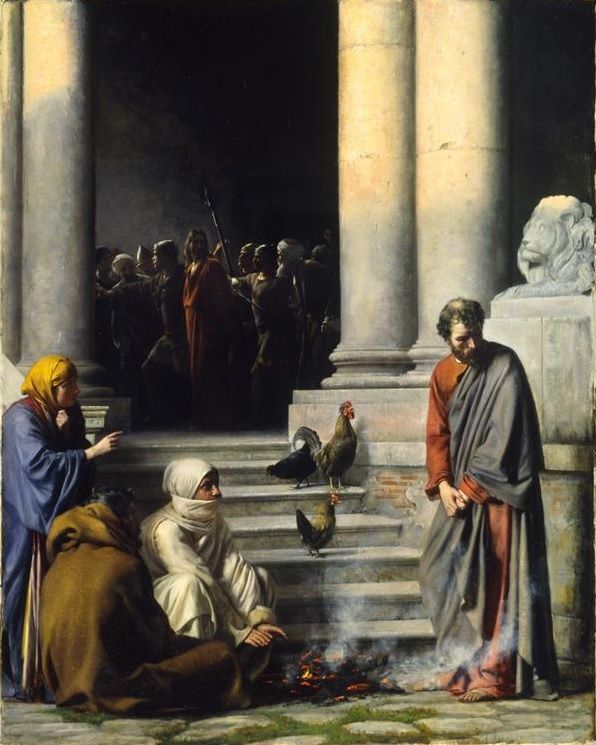
 『神のみこころに添うた悲しみは、悔いのない救を得させる悔改めに導き、この世の悲しみは死をきたらせる』(聖書:コリント第二の手紙7章10節)。
私達には誰しも悲しみがあります。しかし、その悲しみには分類があると聖書はいいます。そう、ここには「神の御心に適った悲しみ」というものがあると書かれています。神の御心にそうた悲しみは、私達にとりましては絶望的な悲しみではありません。なぜなら、その悲しみが私達を悔い改めに導き、それにより私達は救いを得ることができるからです。しかし、この世の悲しみ、すなわち私達が神のことを忘れ、自らその悲しみに沈んでいくのなら・・・。
マック
「礼拝プログラム」、「一日一生」はこちらから。本日の「日英礼拝メッセージ原稿」、「おもちかえり」はこちらから ↓
神の御心に適った悲しみ
2015年4月19日
私達は「キリストを知る」というテーマのもと、ヨハネによる福音書をみています。今日、私達が見ていきたいことは、イエス・キリストが十字架にかかる数時間前にエルサレムのとある二階座敷で誰の足を洗ったのかということで、このことはヨハネ13章に記されています。その洗足の出来事を書き記すにあたり、ヨハネはこのようにヨハネ 13章を書き始めました。
1過越の祭の前に、イエスは、この世を去って父のみもとに行くべき自分の時がきたことを知り、世にいる自分の者たちを愛して、彼らを最後まで愛し通された。2夕食のとき、悪魔はすでにシモンの子イスカリオテのユダの心に、イエスを裏切ろうとする思いを入れていたが、3イエスは、父がすべてのものを自分の手にお与えになったこと、また、自分は神から出てきて、神にかえろうとしていることを思い、4夕食の席から立ち上がって、上着を脱ぎ、手ぬぐいをとって腰に巻き、5それから水をたらいに入れて、弟子たちの足を洗い、腰に巻いた手ぬぐいでふき始められた。6こうして、シモン・ペテロの番になった。すると彼はイエスに、「主よ、あなたがわたしの足をお洗いになるのですか」と言った。(ヨハネ13章1節ー6節)。
イエス様はその宣教活動を始めるにあたり、12人の弟子を選ばれました。その中にはここに名前が出てくるユダとペテロがいます。彼らは確かにイエス様により、選らばれて弟子の一人となり、この時もイエス様によってその足を洗っていただいたのです(このところには「シモンの子イスカリオテのユダ」と「シモン・ペテロ」と書かれていますが、ユダはペテロの息子ということではありません、念のため)。そして、この出来事の直後、ユダとペテロはそれぞれ厳しい状況に追い込まれていきます。今日はこの二人の姿から神様の御心をみていきたく願っております。
ユダとペテロの共通点
弟子達の足を洗われた後、イエス様はこのようなことを言われました。21イエスがこれらのことを言われた後、その心が騒ぎ、おごそかに言われた、「よくよくあなたがたに言っておく。あなたがたのうちのひとりが、わたしを裏切ろうとしている」。22弟子たちはだれのことを言われたのか察しかねて、互に顔を見合わせた。23弟子たちのひとりで、イエスの愛しておられた者が、み胸に近く席についていた。24そこで、シモン・ペテロは彼に合図をして言った、「だれのことをおっしゃったのか、知らせてくれ」。25その弟子はそのままイエスの胸によりかかって、「主よ、だれのことですか」と尋ねると、26イエスは答えられた、「わたしが一きれの食物をひたして与える者が、それである」。そして、一きれの食物をひたしてとり上げ、シモンの子イスカリオテのユダにお与えになった。27この一きれの食物を受けるやいなや、サタンがユダにはいった。そこでイエスは彼に言われた、「しようとしていることを、今すぐするがよい」。28席を共にしていた者のうち、なぜユダにこう言われたのか、わかっていた者はひとりもなかった。29ある人々は、ユダが金入れをあずかっていたので、イエスが彼に、「祭のために必要なものを買え」と言われたか、あるいは、貧しい者に何か施させようとされたのだと思っていた。30ユダは一きれの食物を受けると、すぐに出て行った。時は夜であった(ヨハネ13章21節-30節)。
イエス様はユダが自分を裏切ろうとしていることを知っていました。ユダはイエスが言われた通り、一切れの食物を手に取ると闇夜に消えていきました。そして、彼は銀貨三十枚でイエス様を売ったのです。それではペテロはどうなったのでしょうか。この食事の直後、イエス様は捕えられていきますが、そのイエスを擁護する弟子はおらず、皆、散り散りに逃げ隠れます。その中でこの数時間前に「たとえ死ぬことがあろうとも、あなたに従います」と言っていたペテロは、その言葉の手前、捕えられていくイエス様にかろうじてついて行き、大祭司の中庭まで入り込みます。
69ペテロは外で中庭にすわっていた。するとひとりの女中が彼のところにきて、「あなたもあのガリラヤ人イエスと一緒だった」と言った。70するとペテロは、みんなの前でそれを打ち消して言った、「あなたが何を言っているのか、わからない」。71そう言って入口の方に出て行くと、ほかの女中が彼を見て、そこにいる人々にむかって、「この人はナザレ人イエスと一緒だった」と言った。72そこで彼は再びそれを打ち消して、「そんな人は知らない」と誓って言った。73しばらくして、そこに立っていた人々が近寄ってきて、ペテロに言った、「確かにあなたも彼らの仲間だ。言葉づかいであなたのことがわかる」。74彼は「その人のことは何も知らない」と言って、激しく誓いはじめた。するとすぐ鶏が鳴いた。75ペテロは「鶏が鳴く前に、三度わたしを知らないと言うであろう」と言われたイエスの言葉を思い出し、外に出て激しく泣いた(マタイ26章69節-75節)。
お分かりのようにユダにもペテロにも共通していることは、イエス様を裏切ったということです。彼らはイエス様の弟子として三年半、イエス様と寝食を共にしてきたのです。その教えを聞き、そのみわざを間近で見てきたのです。イエス様に汚い彼らの足を洗われたのです。しかし、彼らはイエス様を裏切りました。
ペテロは大祭司の中庭でイエス様を三度、否んだ直後、かつてイエス様が言われていたように鶏が鳴くのを聞きました。そして、大祭司の中庭を飛び出て、外で激しく泣いたのです。ユダはどうでしょうか。ユダは祭司長、長老に銀貨を渡した後、イエス様が捕えられ、罪に定められたということを知りました。
3そのとき、イエスを裏切ったユダは、イエスが罪に定められたのを見て後悔し、銀貨三十枚を祭司長、長老たちに返して4言った、「わたしは罪のない人の血を売るようなことをして、罪を犯しました」。しかし彼らは言った、「それは、われわれの知ったことか。自分で始末するがよい」。5そこで、彼は銀貨を聖所に投げ込んで出て行き、首をつって死んだ(マタイ27章3節-5節)。
ユダとペテロに共通することは彼らが、各々自分がしてしまったことを悲しみ、悔いたということです。ペテロは男泣きに激しく泣きました。まさしく、俺はなんということをしたのかという心引き裂けるような思いです。ユダはイエス様が罪に定められたことを知り、後悔し、受け取った銀貨を祭司長に返そうとしました・・・。そして、私達が知っている通り、ここから先、この二人は異なる歩みをします。
そうです、ペテロはこのようなどん底を通りますが、後にイエス様を伝える者達の先頭に立ち、ユダはこの後、自らの命を絶つのです。自分がしてしまったことを悲しみ、悔いるところまで、この二人は同じでした。その先、どうして彼らの道は異なったのでしょうか。
ユダは弟子達の会計をしていた人です。おそらく12弟子の中で一番、物事を論理的に考えることができる人で、事の先行きを計算することができるような賢い人であったのでしょう。ユダはイエス様の持っている人間を超えた能力というものを誰よりも察知し、それを認めていたと思われます。そして、その力さえあれば、自分達が抱えているこの問題も、あの問題も解決するだろうということを目論んでいたに違いありません。しかし、三年半、イエス様と共にいても、このお方は自分が考えているような行動、すなわち民衆を味方につけ、ご自身がそのリーダーとなり、自分達に豊かな、安定した暮らしを与えてくれるだろうというようなことをすることはことはありませんでした。そこで、彼は自分がイエス様を一歩、追い込むことにより、イエス様もいよいよ何かをなさるのではないかという期待があったのではないかと思われます。
しかし、事は彼が思い描いていたようにはならず、イエス様は変わらずに捕えられても無抵抗を貫き、果てには罪に定められたということが聞こえてきました。自分が願っていたことはそのようなことではないとユダはもらった銀貨30枚を祭司長、長老達に返しに行き、言ったのです。「わたしは罪のない人の血を売るようなことをして、罪を犯しました」(マタイ27章4節)。ユダは明らかにここで自分がしてしまった過ちを認め、それを罪と呼び、自ら償おうとしました。しかし、覆水、盆にかえらず、事、既に遅し、ユダはこんな言葉を聞くのです。「それは、われわれの知ったことか。自分で始末するがよい」(マタイ27章4節)。そして、彼は首をつって自害しました。
これらのことを読む時に私達はユダという人間が非道な人間であったとは思えないのです。非道な人間ならイエス様の十字架刑を知ったとしても、何ら気にせずにその銀貨を手にしながら生きたことでしょう。しかし、彼はあえてそれを返しに行きました。しかし、それが叶わず、まさしく自分で始末するがよいと言われたように、銀貨のみならず、自分を自分で始末してしまったのです。
ペテロはどうですか。彼は三度、イエス様を否んだ後に大声をあげて泣きました。しかし、彼は大祭司の中庭に再び戻り、「さっき俺が言ったことは間違っていた!あれは嘘だった!俺は確かにイエスの弟子だ!」とは言いませんでした。彼はそのような勇気する持ち合わせていなかったのです。ただただ、彼は心のいたらなさを嘆き、悲しんだのです。ペテロはどうすることもできない、自分がしてしまったことを自分で償うことすらできない、自分の無力さの中に留まったのです。しかし、彼は自害することなく生き、この後、イエス・キリストの名のもとに大きなはたらきをしていくのです。
先ほど読みましたマタイはペテロが三度、イエス様を否んだ後のことについて、私達が読み過ごしてしまうような言葉を記録しています。『ペテロは「鶏が鳴く前に、三度わたしを知らないと言うであろう」と言われたイエスの言葉を思い出し、外に出て激しく泣いた』(マタイ26章69節-75節)。
ペテロはその時、イエス様の言葉を思い出したのです。イエス様が既にそのことが起きる前に語られていた言葉、すなわち「イエス様は自分が裏切るということを知っていた」ということ、しかし「それを知りながらも自分の足を洗ってくださった」ということ、そのことを思い出しました。さらにペテロはきっとこの最悪の時にイエス様がかつて彼に言われたこんな言葉をも思い起こしたことでしょう。
『シモン、シモン、見よ、サタンはあなたがたを麦のようにふるいにかけることを願って許された。しかし、わたしはあなたの信仰がなくならないように、あなたのために祈った。それで、あなたが立ち直ったときには、兄弟たちを力づけてやりなさい』(ルカ22章31節-32節)。
そうです、あの時もイエス様は俺がふるいにかけられることを知っていた。俺がどん底に落ちることを知っていた。しかし、このお方は俺の信仰がなくならないように祈ってくれていた。そして、確かにあの時、あの方は俺にこう言った。「あなたが立ち直った時には、今度はあなたは兄弟たちを力づけてやるのだぞ!」と。
思い出すということで言えば、事情はユダも同じでした。先に読みましたようにイエス様はあの最後の晩餐の席でユダにも言われていました「しようとしていることを、今すぐするがよい」(ヨハネ13章21節-30節)。その言葉を受けてユダはエルサレムの闇夜に出て行ったのです。そう、それは全てが起こる数時間前にイエス様が彼に言ったことです。
しかし、ユダに関して言えばペテロのように、彼がその言葉を思い出したということは書かれていません。彼は自らが罪を犯した時に、イエス様のことを思い出すことなく、自分がその時にできることをしたのです。しかし、その自分の精一杯には何の力もなく、それによっては全く何も解決にいたることはなかったのです。
私達はユダのことを裁くことはできません。なぜなら、彼の姿は私達の心をもあらわしているからです。たいてい私達が何かを犯し、それを後悔しますと、私達はその罪や過ちから自ら救われようと行動します。ある人はそれを責任転嫁しようと画作したり、自分で解決しようとします。ですからユダも自ら受け取ったものを自ら返そうとしたのです。しかし、その相手から返って来た言葉は「それは我々の知ったことか」ということでした。ユダの心は慰めを得ることがありませんでした。否、実際にもしその銀貨を返すことができたとしても、イエス様が十字架にかけられるということは変わりませんでした。ですから彼は自害しました。
もし、そこで彼が数時間前にイエス様が自分に語りかけた言葉を思い出し、それであっても自らの足を洗ってくださったお方の手の温もりを思い出すことができたら、その時に自分がしてしまったことは最悪のことだけれども、しかし、もう一度、イエスの愛に自分をかけることができたら、彼は別の道を歩むことができたでしょう。
主にある兄弟姉妹、ユダもペテロもまさかこんなことになるとは思わなかったでしょう。特にペテロにとって彼がしてしまったことは青天の霹靂です。しかし、事は異なれ、私達もこのようなことを通ってきましたし、これからも経験しうることでしょう。イエス様を裏切るとか、信仰を失うということだけではなく、思いもかけない試練や災いにあうこともあるかもしれません。しかし、その時に私達はどうすべきなのでしょうか。
そうです、私達は神の約束の言葉を思い起こすべきなのです。まさしくどん底と思われるような時に、私達は自分ができる最善をすべきでしょう。しかし、それよりも何よりもまず、主の言葉を思い起こすべきです。私は確信します。私達がこの地上で生きながらえる80年、90年の生涯に私達が経験するいかなる出来事にも、そのことにどう向き合うべきかということを聖書は書き記しているということを。私達は自らの知識と知恵だけに寄り頼むのではなく、その時に「大丈夫だ、わたしはあなたの信仰が失われないように祈っている。あなたが立ち直った時には、兄弟達を力づけてあげなさい」と言われる主の言葉に聴き従うことができるのです。
それではもし、私達がペテロやユダのような弁解の余地のない罪を犯してしまった時、聖書はどんな言葉を私達に語りかけるのでしょうか。幾つもの言葉を聖書の中に見出すことができましょうが、コリント第二の手紙に書かれているこんな言葉はいかがでしょうか。
『神のみこころに添うた悲しみは、悔いのない救を得させる悔改めに導き、この世の悲しみは死をきたらせる』(コリント第二の手紙7章10節)。
みなさん、私達は誰しも悲しみます。しかし、その悲しみには分類があるのです。そう、ここには「神の御心に適った悲しみ」というものがあると書かれています。神の御心に適った悲しみは、私達にとりましては絶望的な悲しみではありません。なぜなら、その悲しみが私達を悔い改めに導き、それにより私達は救いを得ることができるからです。しかし、この世の悲しみ、すなわち私達が神のことを忘れ、自らその悲しみに沈んでいくのなら、それはユダのように私達に死をもたらします。
自分のいたらなさに感じ入ることがあります。しかし、その時に私達が決して忘れてはならないことは、主イエスがペテロに予め語っておられたように、それでも神様は私達を愛しておられる、期待しておられるということ、その神の言葉を思い出すことです。私達がそのことを知り、そして自らの姿を悲しむのであるなら、それは神の御心に適った悲しみとなります。なぜなら、その悲しみから悔い改めが生まれ、私達は再び神に繋がり、ペテロのように再び、立ち上がることができるからです。「こんな私でさえもあなたは赦してくださるのですか」と、その時にますます神の愛と恵みを私達は知ることができるからです。
エゼキエル書にはこんな言葉があります。10それゆえ、人の子よ、イスラエルの家に言え、あなたがたはこう言った、『われわれのとがと、罪はわれわれの上にある。われわれはその中にあって衰えはてる。どうして生きることができようか』と。11あなたは彼らに言え、主なる神は言われる、わたしは生きている。わたしは悪人の死を喜ばない。むしろ悪人が、その道を離れて生きるのを喜ぶ。あなたがたは心を翻せ、心を翻してその悪しき道を離れよ。イスラエルの家よ、あなたはどうして死んでよかろうか(エゼキエル33章10節ー11節)。
この言葉を獄屋の中で読んだある日本人がいました。その人は18才でやくざ稼業に入り、10年目に組長代行になり覚醒剤の密売を始めますが、やがて自らも覚醒剤に手をだし、破門の身となります。その彼が三度目の服役をしました時、服役中に手に取って開いた聖書の一節の言葉に目を奪われました。「11わたしは悪人の死を喜ばない。むしろ悪人が、その道を離れて生きるのを喜ぶ。あなたがたは心を翻せ、心を翻してその悪しき道を離れよ」(エゼキエル33章11節)。
彼の体中を喜びが駆けぬけ、とめどなく涙があふれ、何度も何度もその言葉を読み返しました。この人の名は進藤龍也。現在、川口の教会で牧師をしつつ、同じ道を歩んでいる人達の更生にあたっています。進藤牧師を変えたのはそれまでの彼の人生には全く接点のなかった「わたしは悪人の死を喜ばない。むしろ悪人が、その道を離れて生きるのを喜ぶ」という聖書の言葉でした(もちろん、進藤牧師はこの言葉により立ち直り、神の赦しを得たからと言って、それで過去に傷をつけた人達、迷惑をかけた人達への償いの思いを忘れているわけではないと思います。先生は自分が蒔いたものを刈り取るということを心を胸に、今も各地の刑務所を訪ね、受刑者に語りかけ、出所した方達のケアーをしています)。
主にある皆さん、最後にお聞きしたいと思います。もし、ユダが自害することなく、ペテロのようにイエスの愛に立ち返り、悔い改めたのなら彼の罪は赦されたと思いますか。罪状は「12弟子の一人でありながら、イエス・キリストを銀貨で売り払った罪。これが直接的な原因となりキリストは十字架刑に処した」という最悪の罪状です。
神学的に云々、色々な意見があるかもしれません。しかし、私達が聖書の御言葉に照らし合わせるのなら、イエスを売ったユダであっても彼が神の前に悔い改めたのなら、彼の罪は赦されたと私は信じます。もし、彼の罪が赦されないとするのなら、神の愛の大きさはユダの罪よりも小さなものであるということになります。しかし、聖書を読むのなら神の愛はそのようなものではないということに私達は気がつくからです。そう、ペテロのように私達が聖書に書かれている神の言葉を思い起こします時に、そのことははっきりと分かるのです。
主にある皆さん、私達のこれからの人生、人間である限り、ペテロとなるか、ユダとなるかというような瀬戸際を通ることがあるかもしれません。否、今、そのような所を通っていらっしゃる方がいるかもしれません。しかし、その時に聖書に記されている神の言葉を思い起こしてください。もう絶体絶命というようなことがたとえあろうとも、私達はその時に思い起こすべき言葉が聖書の中には必ずあります。その言葉に触れることなく、自力でそれを乗り越えることはやめましょう。神の愛と恵みは溢れんばかりに私達に注がれ、また主は必ず逃れの道を備えていてくださるのですから。お祈りしましょう。
GODLY SORROW
April 19, 2015
We have been studying the Gospel According to John under the theme of “to know Christ.” This morning, I would like to consider whose feet Jesus Christ washed at the upper room in Jerusalem a few hours before he was crucified. This is recorded in Chapter 13 of John. John starts the Chapter 13 with the following words:
1It was just before the Passover Festival. Jesus knew that the hour had come for him to leave this world and go to the Father. Having loved his own who were in the world, he loved them to the end. 2The evening meal was in progress, and the devil had already prompted Judas, the son of Simon Iscariot, to betray Jesus. 3Jesus knew that the Father had put all things under his power, and that he had come from God and was returning to God; 4so he got up from the meal, took off his outer clothing, and wrapped a towel around his waist. 5After that, he poured water into a basin and began to wash his disciples’ feet, drying them with the towel that was wrapped around him. 6He came to Simon Peter, who said to him, “Lord, are you going to wash my feet?” (John 13:1-6)
Jesus had chosen 12 disciples at the start of his ministry. Judas and Peter were among them. They had been selected by Jesus to become his disciples, and Jesus washed their feet at this gathering. (This section talks about “Judas, the son of Simon Iscariot” and “Simon Peter.” This does not mean that Judas was a son of Peter.) And, immediately after the story, Judas and Peter were put in serious situations. This morning, I would like to see the Will of God through these two disciples.
What Judas and Peter had in common
After washing the feet of the disciples, Jesus said the following:
21 After he had said this, Jesus was troubled in spirit and testified, “Very truly I tell you, one of you is going to betray me.” 22 His disciples stared at one another, at a loss to know which of them he meant. 23 One of them, the disciple whom Jesus loved, was reclining next to him. 24 Simon Peter motioned to this disciple and said, “Ask him which one he means.” 25 Leaning back against Jesus, he asked him, “Lord, who is it?” 26 Jesus answered, “It is the one to whom I will give this piece of bread when I have dipped it in the dish.” Then, dipping the piece of bread, he gave it to Judas, the son of Simon Iscariot. 27 As soon as Judas took the bread, Satan entered into him. So Jesus told him, “What you are about to do, do quickly.” 28 But no one at the meal understood why Jesus said this to him. 29 Since Judas had charge of the money, some thought Jesus was telling him to buy what was needed for the festival, or to give something to the poor.30 As soon as Judas had taken the bread, he went out. And it was night. (John 13:21-30)
Jesus knew that Judas was about to betray Jesus. As Jesus had told Judas, Judas went out as soon as he took the bread. And, he would sell Jesus for 30 pieces of silver. What about Peter? Immediately after this supper, Jesus was arrested. None of his disciples tried to protect him, and all would scatter away into all directions. Among them, Peter, (who had said earlier that even if he had to die, he would follow Jesus,) followed Jesus and managed to sneak into the courtyard of the High Priest.
69 Now Peter was sitting out in the courtyard, and a servant girl came to him. “You also were with Jesus of Galilee,” she said. 70 But he denied it before them all. “I don’t know what you’re talking about,” he said. 71 Then he went out to the gateway, where another servant girl saw him and said to the people there, “This fellow was with Jesus of Nazareth.” 72 He denied it again, with an oath: “I don’t know the man!” 73 After a little while, those standing there went up to Peter and said, “Surely you are one of them; your accent gives you away.” 74 Then he began to call down curses, and he swore to them, “I don’t know the man!” Immediately a rooster crowed. 75 Then Peter remembered the word Jesus had spoken: “Before the rooster crows, you will disown me three times.” And he went outside and wept bitterly. (Matthew 26:69-75)
Now you can see Judas and Peter had something in common. Namely, they both betrayed Jesus. For the period of 3 years and a half, as the disciples of Jesus, they lived together. They had listened to Jesus’ teaching and watched his miracles up close. Jesus washed their feet. Nevertheless, they betrayed Jesus.
In the courtyard of the High Priest, Peter disowned Jesus three times. Immediately after that, a rooster crowed. Peter ran out of the courtyard and wept bitterly. How about Judas? After returning the thirty pieces of silver to the chief priests and the elders, Judas learned that Jesus was arrested and was sentenced.
3 When Judas, who had betrayed him, saw that Jesus was condemned, he was seized with remorse and returned the thirty pieces of silver to the chief priests and the elders. 4 “I have sinned,” he said, “for I have betrayed innocent blood.” “What is that to us?” they replied. “That’s your responsibility.” 5 So Judas threw the money into the temple and left. Then he went away and hanged himself. (Matthew 27:3-5)
Both Judas and Peter were felt remorse about their actions and regretted. Peter wept bitterly. His heart was being torn apart from the sense of remorse. When Judas learned that Jesus was condemned, Judas regretted and tried to return the silver to the chief priest. But, from this point on, they take different course of actions.
Specifically, Peter sinks to the bottom but bounces back to spread the gospel of Jesus. Judas, on the other hand, commits suicide. They all regretted their action in remorse. But, they took two different routes. Why was this?
Judas kept books for the disciples. Perhaps he was a most logical thinker among the 12 disciples. He was intelligent enough to worry about the future. Judas knew better than anybody else that Jesus had a supernatural power, and he had believed that many of the problems he and others had faced could be solved if only Jesus wanted to help. However, after serving Jesus for 3 years and a half, Judas was getting rather discouraged since Jesus did not show any indications to assume a strong leadership role and provide rich and secure life for the disciples. So, Judas had planned to push Jesus a little bit harder so that Jesus would take some concrete actions to reveal his supernatural power.
But, things did not evolve as he had planned. Jesus did not resist when he was arrested. Jesus was even condemned. Judas realized that his plan did not work. So, he decided to return the 30 pieces of silver to the chief priests and said: “I have sinned,” he said, “for I have betrayed innocent blood.” (Matthew 27:4) Judas openly admitted his mistake that he had sinned. He tried to return the money. But, it was too late. The chief priests said: “What is that to us?” they replied. “That’s your responsibility.” (Matthew 27:4) Judas was forced to hang himself.
I do not think Judas was a monstrous character. If he were such a character, he would have kept the silver pieces to himself even when he learned that Jesus was condemned to die on the cross. But, he tried to return the money. Nevertheless, he was rejected by the priests. And, consequently, Judas had discarded the silvers and killed himself.
How about Peter? He wept bitterly after having disowned Jesus three times. But, he did not have courage enough to return to the courtyard and confess that what he had said was a lie and that he was indeed a disciple of Jesus. He could not take any actions to correct his mistake. He was filled with remorse, and was disappointed at himself and wept. He could not gather up enough courage to make up for his mistakes. He was helpless feeling trapped. But, Peter did not kill himself. In fact, Peter would become a key individual in spreading the words of Jesus Christ later.
Let us go back to what Matthew wrote about what took place when Peter had denied Jesus three times. Please note that Matthew wrote: 75 Then Peter remembered the word Jesus had spoken: “Before the rooster crows, you will disown me three times.” And he went outside and wept bitterly. (Matthew 26:69-75)
Peter suddenly realized what Jesus had said to him earlier. He realized that Jesus had known what would happen. Jesus had known that Peter would betray. And yet, Jesus had shown his love to Peter by washing his feet. These thoughts came back to Peter. Additionally, Peter also must have recalled the words of Jesus that he had spoken to Peter once before:
31 “Simon, Simon, Satan has asked to sift all of you as wheat. 32 But I have prayed for you, Simon, that your faith may not fail. And when you have turned back, strengthen your brothers.” (Luke 22:31-32)
Yes, Jesus had known that Satan would sift Peter and try to push him to the bottom. But, Jesus had prayed for Peter so that his faith might not fall. And Jesus also said to Peter then: “When you have turned back, strengthen your brothers.”
Now, Judas had recalled the words of Jesus also. At the last supper, Jesus had told Judas: “What you are about to do, do quickly.” (John 13:27) Judas went out into the dark night after this. This had happened a few hours before everything went wrong.
But, the Bible does not tell us that Judas, unlike Peter, had recalled the words of Jesus after that. When he committed his sins, he did not recall Jesus. Instead, he resorted to doing what he thought to be the only thing he could do. But, his action did not produce any positive result and did not solve the problem.
We are in no position to judge what Judas had done, because we are just like him. When we regret our mistakes, we usually try to take actions to make up for the mistakes on our own. We might blame someone else. Or, we try to solve the situation by ourselves. That is why Judas tried to return the money he had received. But, what he heard was a cold response: “Who cares?” Judas could not find solace in his heart. And, we must remember that even though Judas were successful in returning the money, Jesus would have been executed anyway. That was why Judas killed himself.
The story would have been different if only Judas were to recall what Jesus told him a few hours earlier, and recalled the warm hands of Jesus as he washed his feet. Yes, Judas had made a terrible mistake. But, if he were to return to Jesus and begged for forgiveness, Judas could have lived out a strong life under the love of Jesus.
Brothers and sisters in the Lord, both Judas and Peter had made terrible mistakes. Peter was devastated and regretted his own actions. But, to some extent, we too have committed similar mistakes. And we will continue to do so. We might betray Jesus and lose faith. We might face hardships because of our actions. What, then, are we to do in such situations?
Yes, we should recall the promising words of God. When we find ourselves at the bottom of our life, we should try to do our best to find a way out. But, it is more important to recall the words of the Lord. I am convinced that the Bible is telling us how to cope with any hardships we might face in 80 years or 90 years of our life on this earth. We should not rely on our own knowledge and wisdom. We must recall and listen to the words of the Lord who says: “It would be OK. I am praying so that you would not lose your faith. And, when you turn back, strengthen your brothers.”
Now, if we commit terrible sins like Peter and Judas did, what does the Bible tells us to do? There must be many encouragements in the Bible. The second letter to Corinthians says:
10 Godly sorrow brings repentance that leads to salvation and leaves no regret, but worldly sorrow brings death. (II Corinthians 7:10)
All of us face sorrow. But, there are different types of sorrow. This section of the Bible talks about the “Godly sorrow.” This godly sorrow is not the type that would give us no way out. Godly sorrow would lead us to repentance, and we are saved because of it. But, worldly sorrow in which we forget God would take us deeper into despair. And like Judas, such sorrow might bring death to us.
At times, we feel we are so powerless. But, at those times, we should never forget that, as the Lord Jesus had told Peter earlier, God still loves us and expects great things in our life. We must remember God. If we remember God as we regret our actions, then the sorrow we feel would be a godly sorrow. If it is a godly sorrow, it would lead to repentance and it would take us back to God. We can recover just like Peter did. We realize then how deep the love of God. We realize that God would forgive us. We will rejoice in knowing the love and grace of God even better.
The book of Ezekiel says: 10 “Son of man, say to the Israelites, ‘This is what you are saying: “Our offenses and sins weigh us down, and we are wasting away because of them. How then can we live?”’ 11 Say to them, ‘As surely as I live, declares the Sovereign Lord, I take no pleasure in the death of the wicked, but rather that they turn from their ways and live. Turn! Turn from your evil ways! Why will you die, people of Israel?’ (Ezekiel 33:10-11)
One Japanese man read these words while in a prison. He had turned to Yakuza life when he was 18. After 10 years, he became a group leader and began to sell drugs. He was addicted to the drugs and was kicked out from the Yakuza group. This was the third time he had been imprisoned. While in the jail, he encountered these words of the Bible: 11 I take no pleasure in the death of the wicked, but rather that they turn from their ways and live. Turn! Turn from your evil ways! (Ezekiel 33:11)
A sense of joy ran through his body. Tears poured out. He read the words again and again. His name is Shindo Tatsuya. He is now a minister in Kawaguchi, and he is helping similarly troubled youths to clean up their life. What changed Rev. Shindo were the words of the Bible he had never heard before in his life: “I take no pleasure in the death of the wicked, but rather that they turn from their ways and live.” (Of course Rev. Shindo did not forget the terrible things he had done to hurt and damage the life of other people. He is dedicated to reaping what he had sown. He makes regular calls to various prisons to talk to the criminals, and helps people rehabilitate after completing their prison terms.)
Finally, let me ask you a question. If Judas had not committed suicide and had returned to the love of Jesus as Peter, would you think that Judas sins were forgiven? Judas had committed a terrible sin. He was one of the 12 disciples. And yet, he sold Jesus Christ for pieces of silver. Jesus was arrested and was killed on the cross because of what Judas did.
There could be many opinions on this matter. But, if we read the words of God in the Bible carefully, we believe that even this Judas, who had sold Jesus, would have been forgiven when he had repented. One can argue that if his sins were not forgiven, the love of God would be smaller than the sins of Judas. But, when we read the Bible, we realize that the love of God is far stronger and deeper. Yes, it becomes very clear, as was to Peter, when recall the words of the Lord recorded in the Bible.
Brothers and sisters in the Lord, we might someday find ourselves in a bind like Peter and Judas. We might have to face the decision of our life. Some of you might be going through such hardships right now. In such situations, please recall the words of God recorded in the Bible. Even when we feel there is no way out, there are words somewhere in the Bible that can take us back to life. We should not try to get out of the hardship on our own. Rather, we must turn to God. The love and grace of God are so deep and great. Please recall that God has prepared the ways out for us.
Let us pray.
Translated by Dr. Yasuhisa Hosomatsu
本日のおもちかえり
2015年4月19日
1)ヨハネⅠ3章1節ー6節を読みましょう。あなたは12弟子の一人であったユダとペテロに対してどんなイメージをもっていますか。
2)ヨハネ13章21節-30節を読みましょう。なぜイエス様はユダの足を洗うことを拒否せず、彼の足をも洗われたのでしょうか。
3)マタイ26章69節-75節を読みましょう。ペテロはなぜイエス様を三度、否んだのでしょうか。あなたはペテロを責めることができますか。
4)マタイ27章3節ー5節を読みましょう。ユダはどんな気持ちで銀貨を返しに行ったと思いますか。彼はなぜ自害してしまったのでしょうか。
5)ユダとペテロは共に自分がしてしまったことを悲しみ、悔いたのに、なぜその結末は異なったのでしょうか。マタイ26章75節から何が分かりますか。試練や絶望と思われるようなことに私達が直面する時に、私達がすべきことは何でしょうか。
6)『神のみこころに添うた悲しみは、悔いのない救を得させる悔改めに導き、この世の悲しみは死をきたらせる』(コリント第二の手紙7章10節)という聖書の言葉は悲しみに対して何を語っていますか。
7)エゼキエル33章10節ー11節を読む時に私達は神様の人間に対するどんな思いを知ることができますか。この言葉はイエスを売ったユダにも当てはまりますか?
